


 U.S. and EU Strengthen Critical Minerals Partnership to Reduce China Dependence
  Brazil Pension Fund Crackdown After Banco Master Collapse Raises Investment Concerns
  Asian Currencies Rise Ahead of BOJ and Fed Meetings as Dollar Softens
  Canadian Dollar Outlook: Resilient Performance Driven by Oil Prices and Market Dynamics
  ECB Rate Outlook: Ceasefire Eases Pressure but Hikes Still Expected in 2026
  BOJ Rate Decision in Focus as Yen, Inflation, and Nikkei Hang in Balance
  Chip Stocks Rally on AI Optimism as Oil Price Surge Adds Market Tension
  U.S.-Iran Conflict Stalls as Diplomatic Efforts Collapse and Global Oil Tensions Rise
  Global PCB Prices Surge Amid Middle East Conflict and Supply Chain Disruptions
  Brazil Current Account Deficit Widens in March as FDI Misses Expectations
  Gold Prices Edge Higher on Weak Dollar but Face Weekly Loss Amid Oil-Driven Inflation Fears
  U.S. Consumer Sentiment Hits Record Low as Iran Conflict Fuels Inflation Concerns
  Asian Stock Markets Rally as Japan and South Korea Hit Record Highs Amid Oil Price Concerns
  Oil Price Forecasts Rise for 2026 as Middle East Supply Risks Persist
  Trump Urges Iran to Call for Talks as War Stalemate Disrupts Oil Markets
  U.S. Sanctions Target Chinese Refinery Over Iranian Oil Purchases


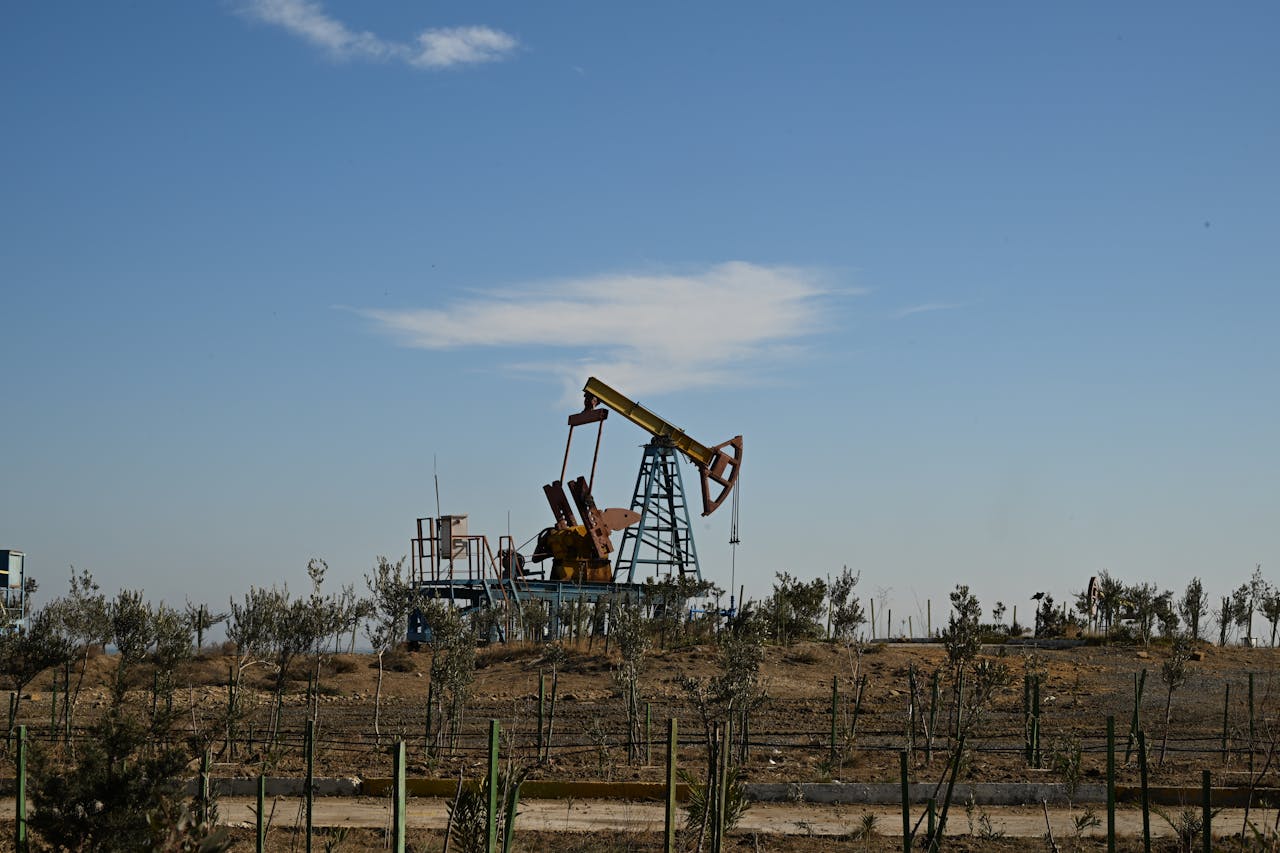
Global oil prices jumped sharply on Friday as escalating tensions between the United States, Israel, and Iran triggered significant disruptions in worldwide energy supply. U.S. crude futures recorded a dramatic rise, with West Texas Intermediate (WTI) climbing 12.21% to settle at $90.90 per barrel. Meanwhile, Brent crude futures increased by 8.52%, ending the session at $92.69 per barrel. The surge marks the largest weekly gains for both benchmarks since the early months of the COVID-19 pandemic in 2020.
Over the course of the week, WTI crude soared by 35.63%, while Brent crude rose approximately 27%. The sharp rally reflects growing concerns about the stability of oil supply from the Middle East, a region responsible for a large share of global energy exports. Market analysts say refiners and trading companies are increasingly turning to U.S. crude as they scramble to replace disrupted shipments from the region.
According to UBS analyst Giovanni Staunovo, refiners are urgently seeking alternative sources of crude oil, and the United States currently stands as the world’s largest oil producer capable of filling part of that gap. This surge in demand has helped push U.S. crude prices higher than Brent for the second consecutive day.
Energy market experts also point to strong refining margins and favorable export opportunities to Europe as additional reasons behind the divergence between WTI and Brent prices. Janiv Shah, vice president of oil analytics at Rystad Energy, noted that high refinery utilization rates and strong arbitrage opportunities have amplified the price movement.
The ongoing conflict intensified after U.S. and Israeli forces launched strikes on Iran, prompting Tehran to halt tanker traffic through the Strait of Hormuz. This strategic waterway typically handles about 20% of the world’s daily oil supply. With the passage effectively blocked for a week, roughly 140 million barrels of oil—equivalent to around 1.4 days of global demand—have been delayed from reaching international markets.
Industry analysts warn that if disruptions continue, oil prices could exceed $100 per barrel. Some forecasts even suggest the possibility of prices reaching $150 if Gulf energy producers halt exports. Meanwhile, the U.S. government has taken steps to ease supply pressure by granting waivers that allow certain companies, including Indian refiners, to purchase sanctioned Russian crude.
As geopolitical tensions persist, energy markets remain highly volatile, with investors closely watching developments that could further affect global oil supply and prices.







