


 Yindjibarndi Appeals Fortescue Mining Compensation Ruling
  DOJ Subpoenas New York Times Freelancer Over North Korea Military Report
  Warner Bros. Discovery Shares Rise as Newsom Pushes Settlement in $110 Billion Merger Fight
  Amazon Secures 200 MW Wind Power Deals in Sweden
  Nvidia Options Price in $280 Billion Earnings Swing
  Meta Agrees to $18 Billion Settlement, Tightens Teen Social Media Rules
  Xiaomi Unveils Xring O3 Chip for Flagship Foldable Phone
  Honda, Nissan Eye Shared Vehicle Software Platform by 2029
  TikTok, DOJ Reach $400 Million Children’s Privacy Settlement
  Sun Pharma Wins U.S. Appeal in Pfizer Lipitor Antitrust Case
  Luxshare Shares Rise as First-Half Profit Jumps 18%
  OpenAI AI Agent Swarm Behind Hugging Face Hack
  Unitree Shares Plunge 45% After Blockbuster IPO, Raising China Tech Bubble Fears
  SEC Moves to Dismiss Insider Trading Case Against Trump-Pardoned Terren Peizer
  CK Hutchison Seeks $1.5 Billion From Panama Over Canal Ports
  New Zealand Moves to Ban Social Media for Children Under 16


 Add as a preferred source on Google
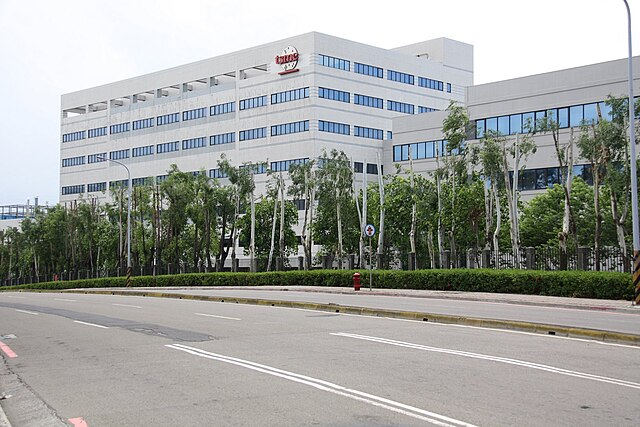
A Taiwan court has imposed a significant penalty on the local subsidiary of Japan-based Tokyo Electron, highlighting the island’s strict stance on protecting critical semiconductor technologies. The court fined the company T$150 million (approximately $4.78 million) and handed down prison sentences of up to 10 years for individuals involved in a high-profile trade secrets violation case linked to Taiwan Semiconductor Manufacturing Company (TSMC).
The ruling centers on allegations that sensitive chip technology belonging to TSMC was unlawfully obtained and misused. Prosecutors argued that the case represents a serious breach involving Taiwan’s “national core technologies,” which are considered vital to the country’s economic security and global competitiveness in the semiconductor industry.
Authorities pursued charges under Taiwan’s National Security Act, underscoring the gravity of the offense. This legal framework is typically reserved for cases that threaten national interests, reflecting how seriously Taiwan views intellectual property protection in the semiconductor sector. TSMC, as the world’s leading contract chipmaker, plays a crucial role in global supply chains, making any potential leakage of proprietary technology a matter of international concern.
The decision marks one of the most prominent legal actions in Taiwan involving trade secret theft in recent years. It also sends a clear message to both domestic and foreign companies operating in Taiwan that violations involving intellectual property, particularly in advanced chip manufacturing, will face severe consequences.
Industry analysts note that this case could have broader implications for multinational corporations working with Taiwanese tech firms. It reinforces the importance of compliance with local laws and the safeguarding of confidential information, especially in sectors like semiconductors where innovation and proprietary processes are key competitive advantages.
As global demand for advanced chips continues to grow, Taiwan’s commitment to protecting its technological edge remains firm, with this case serving as a landmark example of enforcement.







