


 Finland Raises 2026 Growth Forecast as Exports and Investment Surge
  Central Banks Could Buy 20,000 Tonnes of Gold: BofA
  Gulf Ministers to Meet Iran in Oman Over Hormuz Shipping Deal
  Asian Currencies Subdued as Yen Weakens Ahead of Fed, BOJ Decisions
  BOJ Flags Import Costs and Yen Shocks as Persistent Inflation Risks
  Goldman Sachs Forecasts Fed Rate Hike as Inflation Risks Rise
  Dollar Rises as Fed Hike Bets Weigh on Asian Currencies
  Saudi Oil Exports Face 4% Global Supply Threat as Pipeline Remains Shut
  Gold Prices Steady as Oil Disruptions Boost Fed Rate Hike Bets
  China Industrial Output Beats Forecasts as Exports Support Growth
  Oil Prices Surge as Houthi Attacks Raise Saudi Supply Fears
  Asian Bank Stocks Slide as BofA Warning and Rising Yields Hit Sentiment
  Global Central Banks Brace for More Rate Hikes as Inflation Risks Rise
  Japan Producer Inflation Eases to 7.6% in August
  BOJ Set to Raise Rates to 1.25% as Inflation Risks Build


 Add as a preferred source on Google
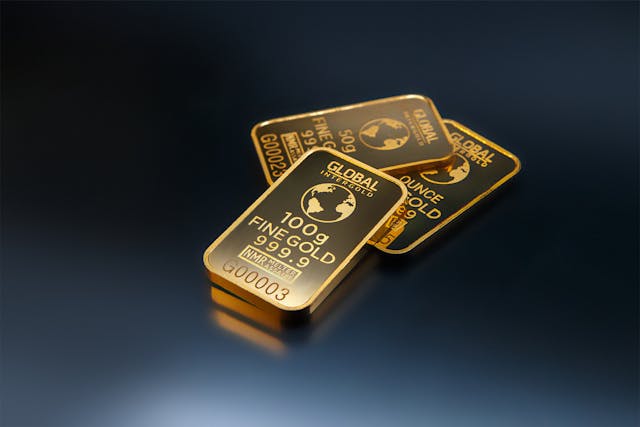
Gold prices saw a modest increase on Friday, supported by a weaker U.S. dollar and renewed geopolitical developments involving the United States and Iran. Despite this slight rebound, the precious metal remains on track for a weekly decline as rising oil prices fuel concerns about inflation and prolonged high interest rates.
Spot gold rose by 0.3% to close at $4,710.57 per ounce, while gold futures settled slightly higher at $4,725.40 per ounce. The uptick in gold prices was largely driven by a softer dollar, which typically enhances the appeal of dollar-denominated commodities like gold for international investors. As the greenback weakened, market participants shifted toward riskier assets such as equities, reducing demand for the dollar’s safe-haven status.
Investor sentiment improved after signals emerged that the U.S. and Iran are preparing for a second round of diplomatic talks. Iran’s Foreign Minister Abbas Araghchi confirmed plans to visit key regional partners, including Pakistan, Oman, and Russia, to discuss bilateral and regional developments. Meanwhile, the White House announced that U.S. officials, including Special Envoy Steve Witkoff and Jared Kushner, will travel to Pakistan for further negotiations. These developments boosted optimism in financial markets, contributing to the dollar’s decline and supporting gold prices.
However, gold’s overall performance this week has been weighed down by a sharp increase in oil prices. Benchmark crude contracts recorded their strongest weekly gains since early March, driven by escalating tensions in the Strait of Hormuz and ongoing disputes between the U.S. and Iran. Higher oil prices have intensified fears of an inflationary surge, prompting expectations that central banks may maintain or even raise interest rates.
Since gold does not yield interest, it often underperforms in high-rate environments. Analysts warn that persistent geopolitical uncertainty and rising inflation pressures could continue to limit gold’s upside in the near term, keeping investors cautious despite short-term gains.







