


 Javier Milei Cabinet Chief Manuel Adorni Resigns Amid Spending Scandal Investigation
  Gold Price Ends Lower for Fourth Week Despite Rebound as Fed Rate Hike Bets Strengthen
  Mexico, U.S. Launch Sterile Fly Facility to Combat New World Screwworm Outbreak
  Russia Intensifies Assault on Kostiantynivka as Ukraine’s Donetsk Defense Faces Mounting Pressure
  Serbia President Aleksandar Vucic to Resign, Calls Early Elections After Months of Protests
  Oil Prices Slip as U.S.-Iran Peace Talks and Strait of Hormuz Risks Keep Markets on Edge
  Dollar Slips Ahead of Key U.S. Jobs Data as Fed Rate Outlook, ECB, and Iran Talks Shape Forex Markets
  Gold Price Hits Annual Low as Fed Rate Hike Bets and Sticky Inflation Weigh on Bullion
  Supreme Court Backs Lisa Cook, Defends Federal Reserve Independence Against Trump Firing Attempt
  Trump Threatens 100% Tariffs on Countries Imposing Digital Services Taxes on U.S. Tech Firms
  US Strikes Iran Again After Strait of Hormuz Tanker Attack Escalates Ceasefire Tensions
  Despite its best efforts, Iran won’t be able to toll the Strait of Hormuz. Here’s why
  Sheinbaum Says No One Is Above the Law After Abuse Video of Ex-Pemex Chief Emerges
  RBA Minutes Signal Australia Central Bank Remains Ready to Raise Interest Rates if Inflation Persists
  Yen Falls to 40-Year Low as Markets Watch Japan Intervention and U.S. Jobs Report
  Gold Prices Drop as Fed Rate Outlook and Iran Tensions Weigh on Market
  Global Financial Firms Shift Asia Expansion Focus to South Korea as China, India Face Caution


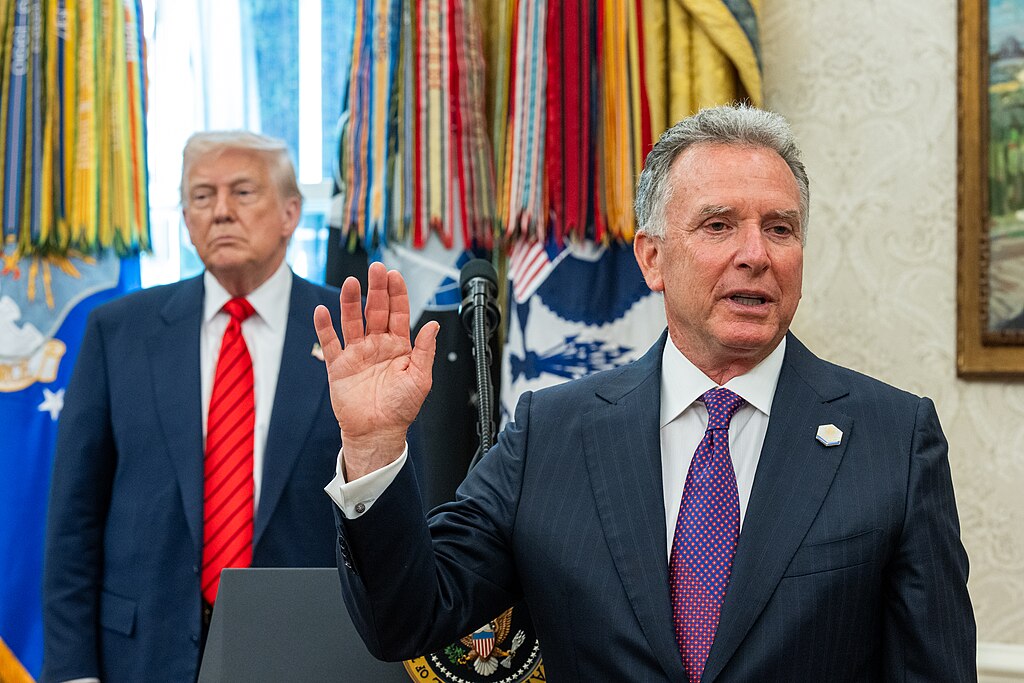
U.S. President Donald Trump said Iran can initiate negotiations to end the ongoing two-month conflict simply by making contact, even as diplomatic efforts show little progress. His remarks came as Iran’s Foreign Minister Abbas Araqchi arrived in Russia to seek support from President Vladimir Putin, highlighting the growing geopolitical stakes in the U.S.-Iran war.
Tensions remain high after peace talks stalled over the weekend, causing oil prices to rise and U.S. stock futures to slip during early Asian trading. The disruption is largely tied to restricted access through the Strait of Hormuz, a critical global shipping route that handles roughly 20% of the world’s oil supply. Iran has significantly limited passage through the strait, while the United States continues its blockade of Iranian ports, worsening the global economic outlook and fueling inflation concerns.
Trump, speaking in a televised interview, reiterated that Iran must abandon any pursuit of nuclear weapons as a condition for negotiations. While Tehran insists its nuclear program is for peaceful energy purposes, Western nations remain skeptical. The disagreement over uranium enrichment continues to be a central obstacle in resolving the conflict.
Efforts to mediate the crisis have involved countries like Pakistan and Oman, but progress has been minimal. Trump recently canceled a planned diplomatic visit by senior envoys, citing dissatisfaction with Iran’s proposals. Reports suggest Iran offered a new plan involving reopening the Strait of Hormuz, but postponing nuclear discussions, though U.S. officials have not confirmed this.
Domestic pressure is mounting on Trump to end the war, which has already caused thousands of casualties and economic instability worldwide. Meanwhile, Iran is leveraging its strategic control over the strait to strengthen its bargaining position despite military setbacks.
The conflict also extends beyond nuclear issues, with the U.S. pushing Iran to reduce support for regional groups such as Hezbollah and Hamas. Iran, in turn, demands sanctions relief and an end to Israeli military actions. As both sides remain deeply divided, the path to a lasting peace agreement appears uncertain.







