


 Amazon Secures 200 MW Wind Power Deals in Sweden
  Alibaba Raises $10.2 Billion to Expand AI Infrastructure
  U.S. Probes Apex Logistics Over Nvidia AI Chip Shipments to China
  Mercer International Stock Surges 45% on C$20 Million Canada Funding
  Samsung Shares Tumble 8% as $79 Billion Return Plan Disappoints
  Countries Tighten Social Media Bans for Children
  Trian Drops Wendy’s Take-Private Bid Plans, Shares Plunge 14%
  Meta Agrees to $18 Billion Settlement, Tightens Teen Social Media Rules
  Nvidia Revenue Soars 106% as AI Demand Hits ‘Inflection Point’
  SK Biopharmaceuticals Secures Global Rights to Biohaven Epilepsy Drug Opakalim
  Adidas, Puma Shares Fall as Dick’s Sporting Goods Cuts Outlook
  The Realist’s Case: Lukas Kerrebijn of RD Dubai on the Narrative Dubai’s Agents Won’t Question
  Pinterest Stock Falls as CFO Julia Brau Donnelly Resigns
  Jefferies Names AMEC Top China Semiconductor Equipment Pick
  Google Changes EU Spam Policy Amid Antitrust Scrutiny
  OpenAI Data Center Chief Chris Malone Exits Ahead of Planned 2027 Listing
  PayPal Shares Sink as $50 Billion Takeover Bid Collapses


 Add as a preferred source on Google
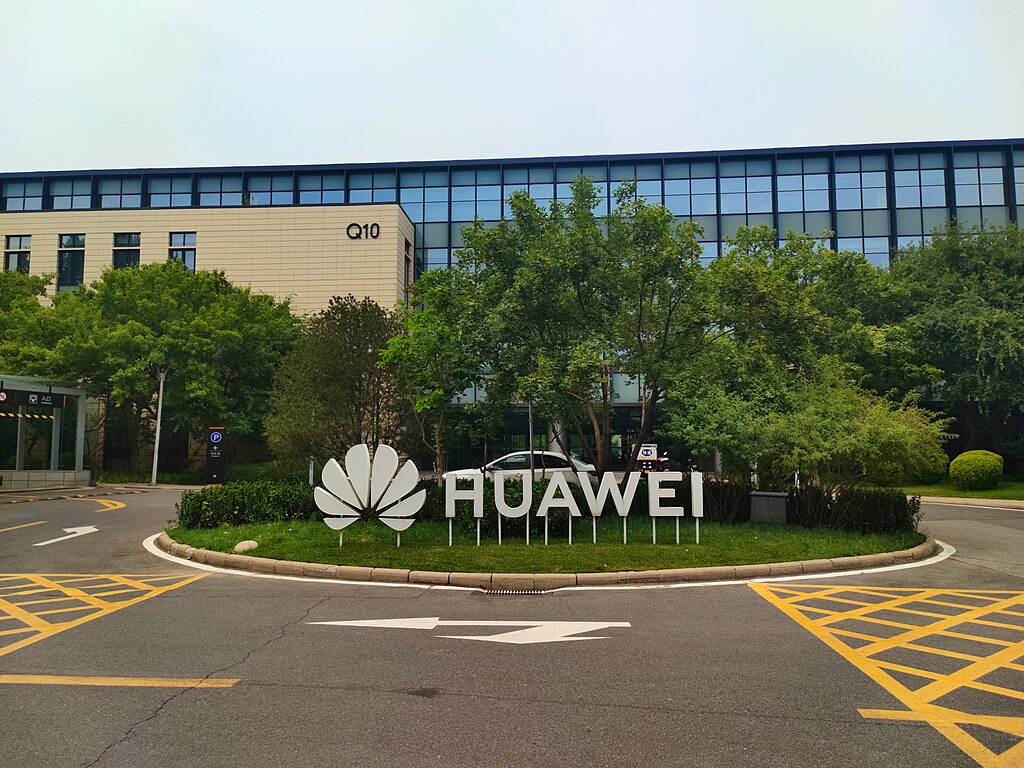
DeepSeek, a fast-rising Chinese AI startup, has unveiled a preview of its highly anticipated V4 model, marking a major step toward China’s technological independence. The new model, optimized for Huawei’s Ascend chips, highlights a strategic shift away from Nvidia hardware and reflects China’s push to build a self-sufficient artificial intelligence ecosystem.
According to DeepSeek, the Pro version of V4 performs exceptionally well in global knowledge benchmarks, ranking just behind Google’s Gemini-Pro-3.1 among leading models. This achievement positions DeepSeek as a serious contender in the global AI race, especially within the open-source community. The model has already gained rapid traction, topping trending charts on Hugging Face, a key platform for machine learning developers.
The collaboration between DeepSeek and Huawei is particularly significant. Huawei confirmed that its chips were used during parts of V4’s training process, reinforcing confidence in domestic semiconductor capabilities. Analysts note that Huawei’s Ascend chips are currently China’s strongest alternative to Nvidia, especially as U.S. export restrictions continue to limit access to advanced American hardware.
DeepSeek V4 stands out for its ability to process extremely long and complex text inputs, supporting over one million tokens—comparable to top-tier models like GPT-5.4 and Claude Opus 4.6. Despite this capability, it operates at a fraction of the computational cost, making it an attractive option for developers and enterprises. However, it currently lacks multimodal support, meaning it cannot process images or video.
The launch comes amid rising geopolitical tensions, with U.S. officials raising concerns over intellectual property and data security. Several Western governments have already restricted the use of DeepSeek’s technology. Meanwhile, competition within China is intensifying, with rivals such as Zhipu AI and MiniMax reacting strongly to the V4 release.
DeepSeek is positioning V4 for advanced AI agent applications, which require higher computational efficiency. While early benchmarks are promising, experts suggest waiting for broader real-world testing. As open-source models continue to close the gap with proprietary systems, DeepSeek’s latest innovation could reshape the global AI landscape.







