


 Mexico, U.S. Launch Sterile Fly Facility to Combat New World Screwworm Outbreak
  Javier Milei Cabinet Chief Manuel Adorni Resigns Amid Spending Scandal Investigation
  Russia Intensifies Assault on Kostiantynivka as Ukraine’s Donetsk Defense Faces Mounting Pressure
  Yen Falls to 40-Year Low as Markets Watch Japan Intervention and U.S. Jobs Report
  Russian Attacks on Dnipro, Zaporizhzhia, and Kharkiv Kill 10 as Ukraine Vows Response
  Taiwan Coast Guard Officer Finds Strength in Faith as China Increases Pressure in Taiwan Strait
  Gold Price Ends Lower for Fourth Week Despite Rebound as Fed Rate Hike Bets Strengthen
  Sheinbaum Says No One Is Above the Law After Abuse Video of Ex-Pemex Chief Emerges
  Trump Questions Housing Bill as He Prioritizes SAVE America Act
  Trump Urges Gasoline Retailers to Cut Prices to $2.50 Per Gallon, Warns of Legal Action
  Iran Launches Drone Attack on Bahrain After U.S. Strikes, Strait of Hormuz Tensions Escalate
  Ukraine Strikes Russian Titan-Barrikady Plant With Long-Range FP-5 Flamingo Missile
  Asian Stocks Slip as US-Iran Ceasefire Hopes Lift Oil, Dollar Strength Persists
  Australia Plans Higher Fines for Social Media Firms Failing to Block Underage Users
  Despite its best efforts, Iran won’t be able to toll the Strait of Hormuz. Here’s why
  Global Financial Firms Shift Asia Expansion Focus to South Korea as China, India Face Caution
  China Expands Export Controls, Adds 20 Japanese Companies to Restricted List


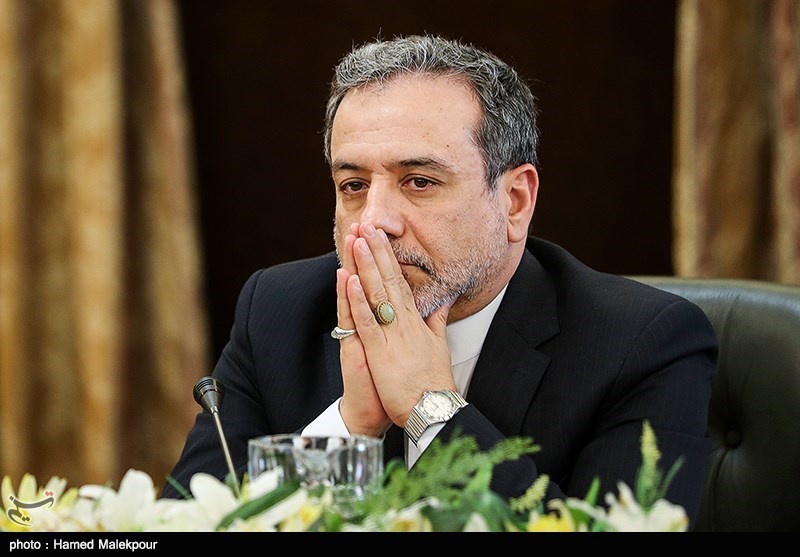
Iran’s Foreign Minister Abbas Araqchi arrived in Islamabad to discuss potential steps toward restarting peace talks with the United States, signaling cautious optimism after weeks of escalating conflict. The ongoing Iran-U.S. war, now in its eighth week, has caused significant geopolitical instability, disrupted global oil supply chains, and driven energy prices higher.
While U.S. President Donald Trump indicated that Iran may present a proposal to meet American demands, uncertainty remains over the details and the parties involved in negotiations. Despite reports that U.S. envoys planned to travel to Pakistan for discussions, Iran clarified that it does not intend to meet directly with U.S. officials, opting instead to communicate its position through diplomatic channels. This development highlights the fragile nature of current diplomacy and the challenges in achieving a lasting agreement.
The conflict has had major economic consequences, particularly due to Iran’s blockade of the Strait of Hormuz, a critical global oil transit route. The disruption has sharply reduced shipping traffic and contributed to volatile oil prices, with Brent crude exceeding $105 per barrel. Energy markets continue to react to uncertainty, as traders weigh the risks of prolonged supply interruptions against the possibility of renewed negotiations.
Efforts to mediate the crisis have gained international support, with regional partners such as Pakistan and Qatar stepping in to facilitate dialogue. Meanwhile, U.S. officials maintain that Iran still has an opportunity to reach a favorable deal, particularly if it addresses concerns over its nuclear program. However, previous attempts at negotiation have stalled, and both sides remain cautious.
In parallel, tensions in Lebanon involving Hezbollah and Israel further complicate the regional landscape. Continued military activity despite a temporary ceasefire underscores the broader instability tied to the Iran conflict. As diplomatic efforts continue, global markets and political observers remain focused on whether renewed talks can de-escalate tensions and restore stability to energy supply and international relations.







