


 Trump Suspends Some Morocco Fertilizer Tariffs to Ease U.S. Supply Shortage
  China Manufacturing PMI Edges Higher in June as Exports and AI Investment Boost Growth
  Europe Heatwave Creates Growth Opportunity for Carrier, Trane, and Johnson Controls, Citi Says
  World Bank Approves $1.1 Billion Emergency Funding for Bangladesh Amid Food and Energy Price Pressures
  With Iran and the US signing a peace deal, where does that leave Benjamin Netanyahu?
  Trump Threatens 100% Tariffs on Countries Imposing Digital Services Taxes on U.S. Tech Firms
  Japan Targets 1%+ Real Economic Growth With ¥370 Trillion Investment Plan
  The government is ‘doubling down’ on its social media ban. But bigger penalties for platforms aren’t enough
  Economic pessimism has set in – but there are reasons for Australians to be hopeful
  Trump Urges Gasoline Retailers to Cut Prices to $2.50 Per Gallon, Warns of Legal Action
  Argentina Economy Shrinks 1.5% in April, Recovery Under Milei Loses Momentum
  Yen Falls to 40-Year Low as Markets Watch Japan Intervention and U.S. Jobs Report
  Dollar Slips Ahead of Key U.S. Jobs Data as Fed Rate Outlook, ECB, and Iran Talks Shape Forex Markets
  Asian Stocks End Strong Quarter as Dollar Surges, Yen Hits 40-Year Low Ahead of US Jobs Data


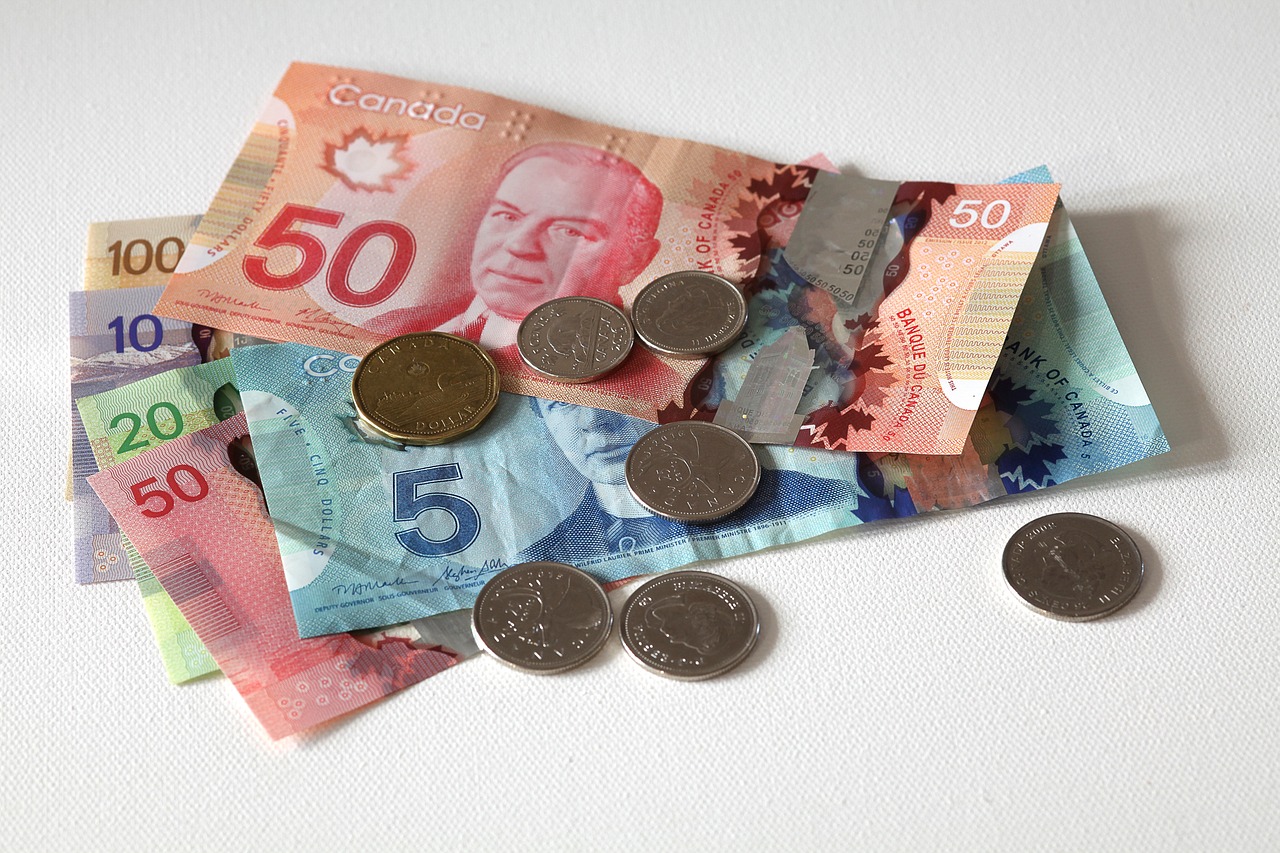
The Canadian dollar (CAD) has demonstrated notable resilience among G10 currencies in recent weeks, even as domestic economic data shows signs of softness. According to Goldman Sachs, this strength comes despite weaker-than-expected inflation and employment figures, highlighting the currency’s unique sensitivity to global market forces—particularly oil prices and US dollar movements.
Recent data revealed that Canada’s March inflation rate fell below expectations, even amid ongoing energy price shocks. Meanwhile, the latest employment report pointed to stabilization in the labor market, though it showed little improvement compared to the previous year. Based on these trends, Goldman Sachs economists anticipate that the Bank of Canada will likely hold interest rates steady at its April policy meeting.
While short-term performance remains relatively strong, Goldman Sachs analysts are less optimistic about the Canadian dollar’s medium-term outlook. One key concern is the uncertainty surrounding the United States-Mexico-Canada Agreement (USMCA), which could weigh on investor sentiment ahead of the July 1 deadline. This geopolitical and trade-related risk may limit CAD’s upside potential in the coming months.
Despite these concerns, the Canadian dollar continues to benefit from its close relationship with oil prices. In Goldman Sachs’ GSTOT framework, CAD has a high sensitivity to energy market fluctuations, meaning that sustained strength in oil prices can support the currency. Additionally, CAD maintains a positive correlation with the US dollar, further influencing its performance in global foreign exchange markets.
However, this relationship also presents downside risks. If global risk sentiment improves significantly or commodity markets begin to stabilize, the Canadian dollar could underperform relative to other currencies. Ultimately, while domestic economic conditions play a role, external factors such as energy prices and US dollar trends remain the primary drivers of CAD’s near-term trajectory.







