


 Sheinbaum Says No One Is Above the Law After Abuse Video of Ex-Pemex Chief Emerges
  Trump Threatens 100% Tariffs on Countries Imposing Digital Services Taxes on U.S. Tech Firms
  Russian Attacks on Dnipro, Zaporizhzhia, and Kharkiv Kill 10 as Ukraine Vows Response
  Australia Sues Amazon Over Prime Video Ads and Subscription Terms
  Nomura Stock Upgraded to Buy by BofA as Stronger ROE and Earnings Growth Boost Outlook
  Maria Corina Machado’s Return to Venezuela Faces U.S. Hesitation After Deadly Earthquakes
  US Strikes Iran Again After Strait of Hormuz Tanker Attack Escalates Ceasefire Tensions
  China Expands Export Controls, Adds 20 Japanese Companies to Restricted List
  Trump Signs Memorandum Backing Americans’ Right to Repair Their Own Vehicles
  Super Micro Shares Slide After Taiwan Raids Over Alleged Nvidia AI Chip Smuggling Probe
  Mexico, U.S. Launch Sterile Fly Facility to Combat New World Screwworm Outbreak
  SpaceX, Charter Communications Explore Mobile Partnership to Expand Starlink Wireless Service
  Samsung, SK Hynix to Unveil Record AI and Semiconductor Investment Plans Worth Over $646 Billion
  UBS Raises TSMC Price Target to T$3,400 on Strong AI Chip Demand Outlook
  Baidu Shares Rally as Kunlunxin Eyes $50 Billion Hong Kong IPO
  Taiwan Coast Guard Officer Finds Strength in Faith as China Increases Pressure in Taiwan Strait
  Apple Challenges India Antitrust Probe, Says CCI Copied Rivals’ Claims in App Store Case


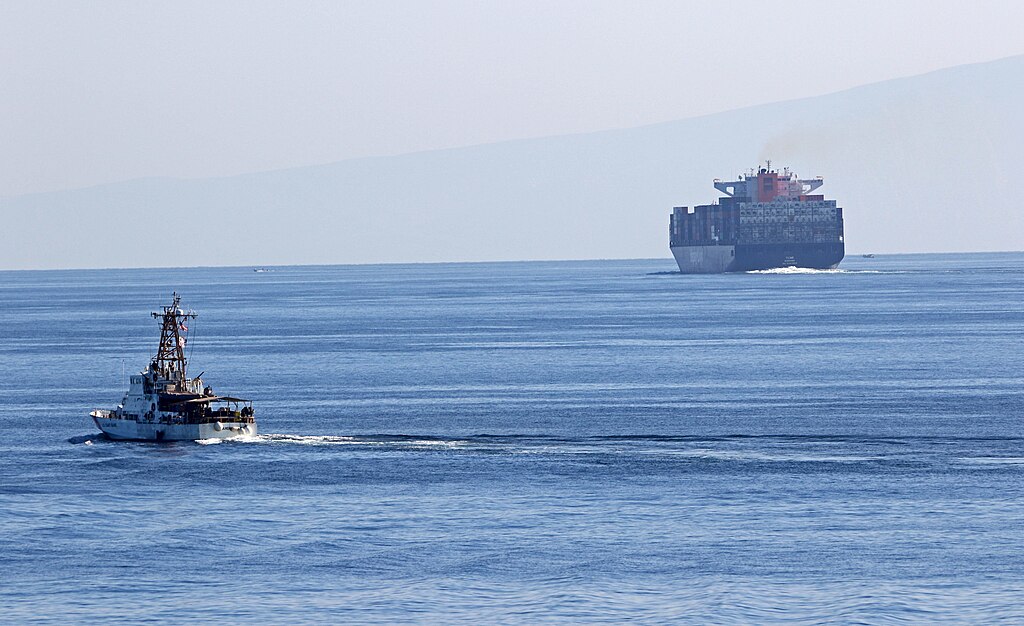
Shipping activity through the Strait of Hormuz has dropped dramatically, with only five vessels—including an Iranian oil products tanker—passing through the strategic waterway in the past 24 hours, according to recent shipping data. This sharp decline highlights escalating tensions between Iran and the United States, following the seizure of two container ships by Iranian forces and continued U.S. naval blockades targeting Iranian ports.
Before the conflict began on February 28, the Strait of Hormuz typically handled around 140 ship transits daily. Now, traffic represents only a fraction of that volume, raising serious concerns across the global shipping and energy sectors. The strait is a critical chokepoint for international trade, responsible for transporting roughly 20% of the world’s oil and liquefied natural gas (LNG).
Industry experts emphasize that a stable ceasefire and security guarantees from both Iran and the U.S. are essential for restoring normal shipping operations. Jakob Larsen, chief safety officer at BIMCO, noted that most shipping companies are unwilling to resume regular routes without clear assurances that the strait is safe. Currently, vessels are limited to narrow routes near Iran and Oman, which cannot support typical shipping volumes due to safety constraints.
Among the few ships navigating the strait was the sanctioned Iranian tanker Niki, which departed without a declared destination, raising uncertainty about its route amid the U.S. naval blockade. Meanwhile, isolated movements continue, such as a Hapag-Lloyd container ship crossing the strait and the supertanker Helga arriving at Iraq’s Basra port—only the second vessel to do so since the disruption began.
Recent incidents, including Iran’s use of fast attack boats to seize ships, have intensified fears among maritime operators. Analysts warn that even if the strait remains technically open, it is far from safe. As a result, hundreds of vessels and approximately 20,000 seafarers remain stranded in the Gulf, while insurers and energy companies closely monitor the situation for any signs of de-escalation.







