


 Gold Price Falls as Fed Rate Hike Fears and U.S.-Iran Tensions Weigh on Bullion
  Despite its best efforts, Iran won’t be able to toll the Strait of Hormuz. Here’s why
  Gold Price Hits Annual Low as Fed Rate Hike Bets and Sticky Inflation Weigh on Bullion
  Taiwan Coast Guard Officer Finds Strength in Faith as China Increases Pressure in Taiwan Strait
  Andy Burnham Sets Out Vision to Decentralize Britain as Labour Leadership Race Begins
  Yen Falls to 40-Year Low as Markets Watch Japan Intervention and U.S. Jobs Report
  China Expands Export Controls, Adds 20 Japanese Companies to Restricted List
  Iran Skips U.S. Technical Talks Over Unmet MoU Conditions and Frozen Funds Dispute
  Sheinbaum Says No One Is Above the Law After Abuse Video of Ex-Pemex Chief Emerges
  Global Financial Firms Shift Asia Expansion Focus to South Korea as China, India Face Caution
  Central Banks Eye Gold, Reduce Dollar Exposure as AI Adoption Accelerates: OMFIF Survey
  Mexico, U.S. Launch Sterile Fly Facility to Combat New World Screwworm Outbreak
  Argentina Economy Shrinks 1.5% in April, Recovery Under Milei Loses Momentum
  US Stock Futures Rise as US-Iran Ceasefire Hopes Boost Market Sentiment
  US Strikes Iran Again After Strait of Hormuz Tanker Attack Escalates Ceasefire Tensions
  Javier Milei Cabinet Chief Manuel Adorni Resigns Amid Spending Scandal Investigation
  Trump Questions Housing Bill as He Prioritizes SAVE America Act


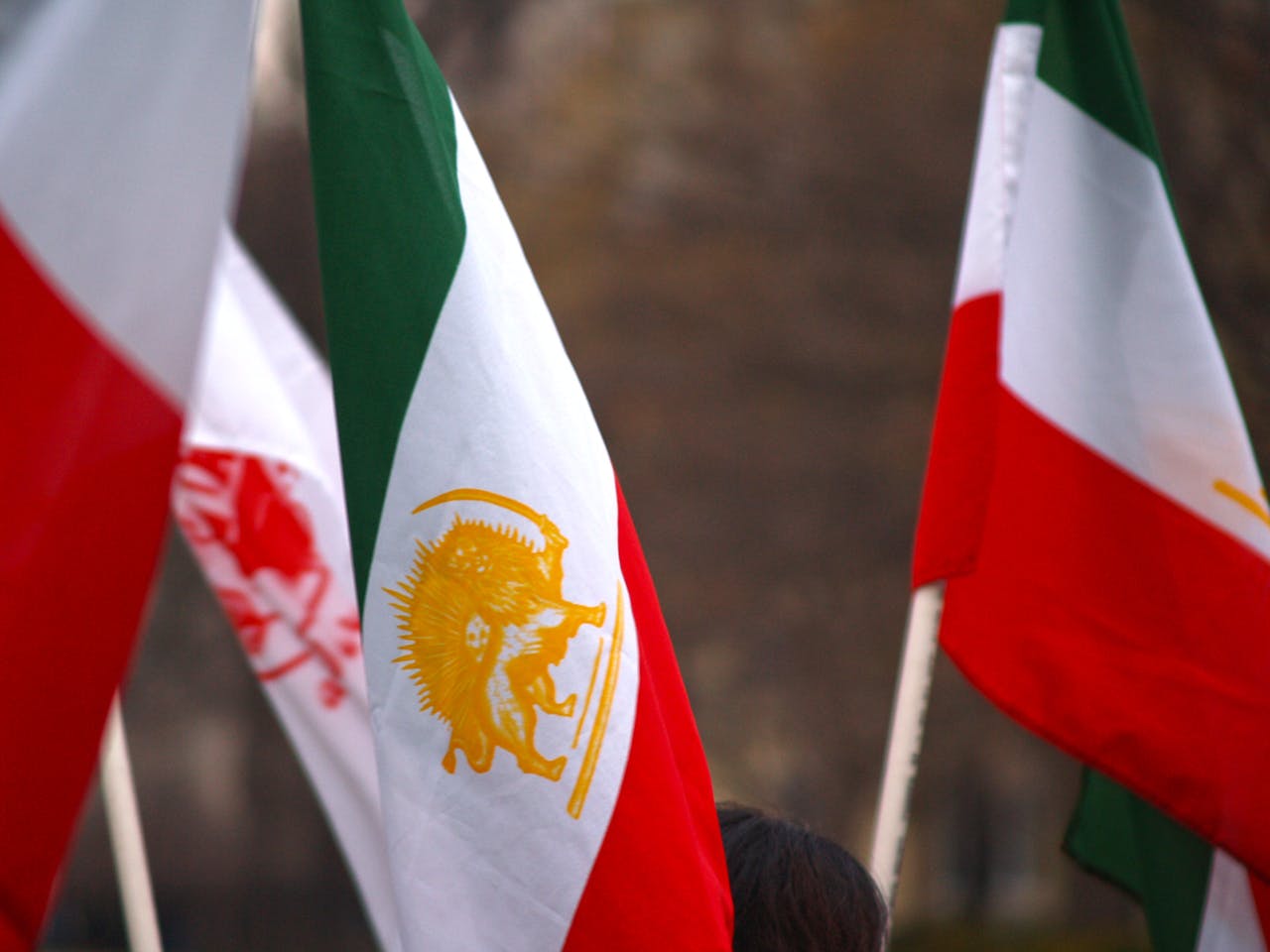
Iran has reportedly submitted a new proposal to the United States aimed at reopening the Strait of Hormuz and easing ongoing geopolitical tensions, according to a report by Axios citing U.S. officials and sources familiar with the matter. The proposal focuses on restoring access to the critical global oil shipping route while delaying discussions about Iran’s nuclear program, a major point of contention in U.S.-Iran relations.
The development comes as diplomatic negotiations between Washington and Tehran remain at a standstill, despite former President Donald Trump’s recent decision to extend a ceasefire indefinitely. Efforts to resume structured peace talks have failed to gain momentum, with both sides holding firm positions. The United States continues to enforce a naval blockade, while Iran has kept the Strait of Hormuz effectively closed since late February using missiles, naval mines, and fast attack vessels.
According to the report, Iran’s proposal could weaken U.S. leverage in future negotiations, particularly regarding efforts to limit Iran’s uranium enrichment and dismantle its nuclear stockpile. These objectives have been central to U.S. strategy following military strikes on Iran’s nuclear facilities in mid-2025, although the current state of Iran’s nuclear capabilities remains unclear.
Diplomatic tensions were further underscored when Trump canceled a planned trip by senior U.S. diplomats to Pakistan, where indirect talks with Iranian officials had been expected. Iranian delegates had already departed Islamabad, highlighting the fragile and uncertain nature of ongoing diplomatic efforts.
The Strait of Hormuz is one of the world’s most vital oil transit routes, accounting for nearly 20% of global oil supply. Its closure has significantly impacted global energy markets, particularly in Asia, where many economies rely heavily on Middle Eastern oil. Rising oil prices and supply disruptions have added to economic uncertainty worldwide.
While reopening the Strait could provide short-term relief to global markets, postponing nuclear discussions raises concerns about long-term stability and the potential for a lasting agreement between the two nations.







