


 Google Secures Pentagon AI Deal for Classified Projects
  Wall Street Futures Edge Higher as Iran Tensions and AI Optimism Shape Markets
  CDC Monitors U.S. Travelers After Hantavirus Outbreak on Luxury Cruise Ship
  Senate Stablecoin Bill Sparks Clash Between Banks and Crypto Industry
  Israel Expands Gaza Restricted Zones, Raising Concerns for Civilians and Aid Access
  US to Withdraw 5,000 Troops from Germany Amid Growing Rift with European Allies
  Oil Prices Rise Amid Strait of Hormuz Tensions and U.S.-Iran Ceasefire Uncertainty
  Ghana Rejects U.S. Health Deal Over Data Sharing Concerns Amid Foreign Aid Shift
  China Banks Halt New Loans to Sanctioned Refineries Amid U.S.-Iran Oil Crackdown
  S&P 500, Nasdaq Hit Record Highs as AI Stocks Rally and Strong Jobs Data Boost Confidence
  Judge Rules Use of Military Lawyers in Civilian Prosecutions Is Lawful
  Trump-Xi Meeting 2026: U.S.-China Trade Tensions Escalate Ahead of Beijing Summit
  US Sanctions Target Iran’s Shadow Banking Network and Terror Financing
  Japan Tech Stocks Surge as AI Optimism Lifts SoftBank, Chipmakers
  Trump Administration Dismisses Entire National Science Board, Raising Concerns Over Scientific Independence
  US-Iran Ceasefire Under Pressure as Fresh Strait of Hormuz Clashes Shake Oil Markets


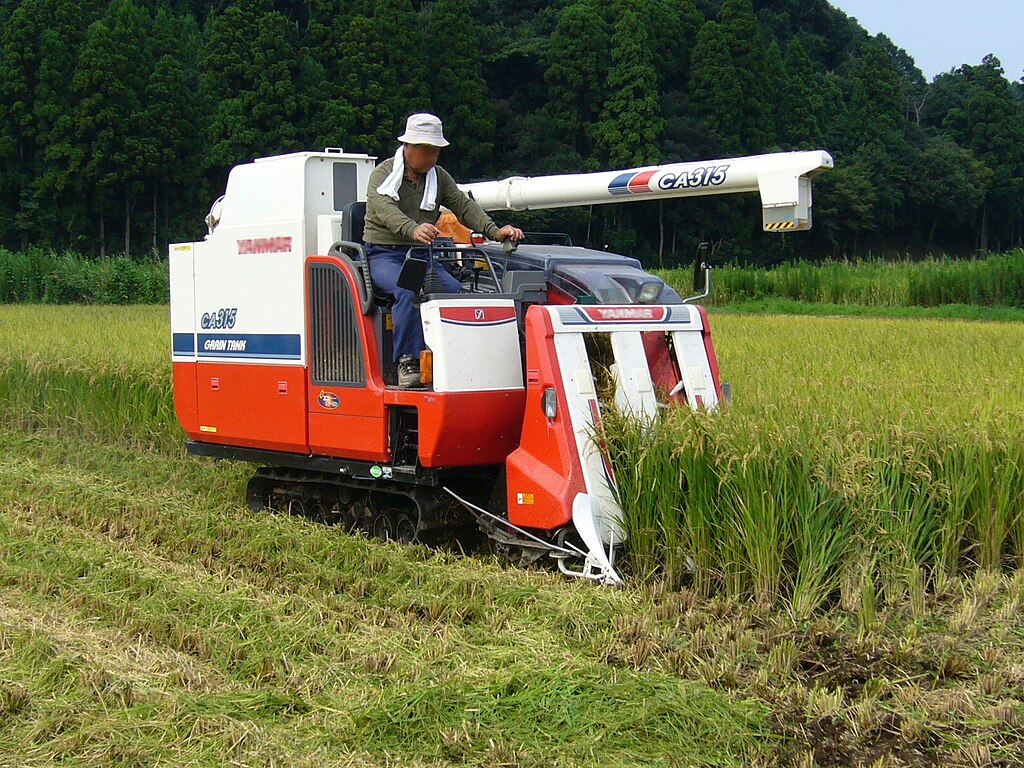
Japan will release an additional 300,000 metric tons of rice from its emergency stockpile by July to address a nationwide shortage and curb surging prices. This move follows the release of 310,000 tons since March—the first time the government has tapped its reserves to stabilize rice prices.
Retail rice prices in Japan have nearly doubled year-over-year, driven by extreme weather damaging crops and increased demand from a tourism rebound. The steep rise has become a political issue for Prime Minister Shigeru Ishiba ahead of the July upper house elections.
To accelerate distribution, the government will now allow some of the released rice to bypass wholesalers and directly reach retailers. Additionally, the timeframe to replenish the released stock—originally within one year—has been extended to five years, easing pressure on future supply.
Despite these efforts, logistical delays persist. Of the 212,000 tons released through auctions in March, only about 2% had reached retailers and restaurants by mid-April. The government plans to conduct monthly bids for 100,000 tons from May through July.
In response to soaring costs, consumers and restaurants—traditionally particular about rice quality—are turning to imported alternatives. Even with import tariffs, foreign rice is now significantly cheaper. Supermarket giant Aeon announced it will begin selling 100% U.S.-grown Calrose rice in June, after offering a Calrose-Japanese blend in April.
The average price of domestic rice reached 4,214 yen ($28) per 5 kg in early May—twice last year’s price, though down slightly from the previous week, marking the first weekly decline in over four months.
This evolving rice crisis underscores Japan’s vulnerability to climate shifts and highlights changing consumer behavior in the face of economic pressures.







