


 Oil Prices Surge Toward $100/Barrel After Tanker Attacks in Iraqi Waters
  Russian Drone Strikes Hit Kharkiv and Dnipro, Injuring Over 20 Civilians
  UK Housing Market Slows Amid Geopolitical Tensions and Mortgage Rate Fears
  Trump Administration Launches Trade Investigations Against 16 Countries Over Industrial Overcapacity
  Trump Administration Spent $5.6 Billion in Munitions in Opening Days of Iran Strikes
  Boeing Secures $289 Million Smart Bomb Contract With Israel
  Trump-Putin Call Addresses Iran War, Ukraine Peace, and Global Oil Crisis
  ANZ and Westpac Forecast Two RBA Rate Hikes in March and May 2026
  Shots Fired at U.S. Consulate in Toronto in Suspected National Security Incident
  Trump Doubts Iran Mining Reports as Strait of Hormuz Tensions Escalate
  Iran Mines Strait of Hormuz: Crude Oil Prices Surge Amid Middle East Tensions
  Japan's BOJ Independence Under Fire as PM Takaichi's Rate Stance Draws Political Heat
  Venezuela Names Paula Henao as New Oil Minister Amid U.S.-Led Industry Overhaul
  Chinese AI Stocks Surge as Tencent, MiniMax, and Zhipu Launch Agentic AI Programs
  Dollar Strengthens Amid Oil Price Surge and Inflation Fears
  Taiwan's MQ-9B SkyGuardian Drone Order Stays on Schedule Despite Middle East Conflict
  Trump Hints at Possible U.S. Takeover of Cuba Amid Deepening Humanitarian Crisis


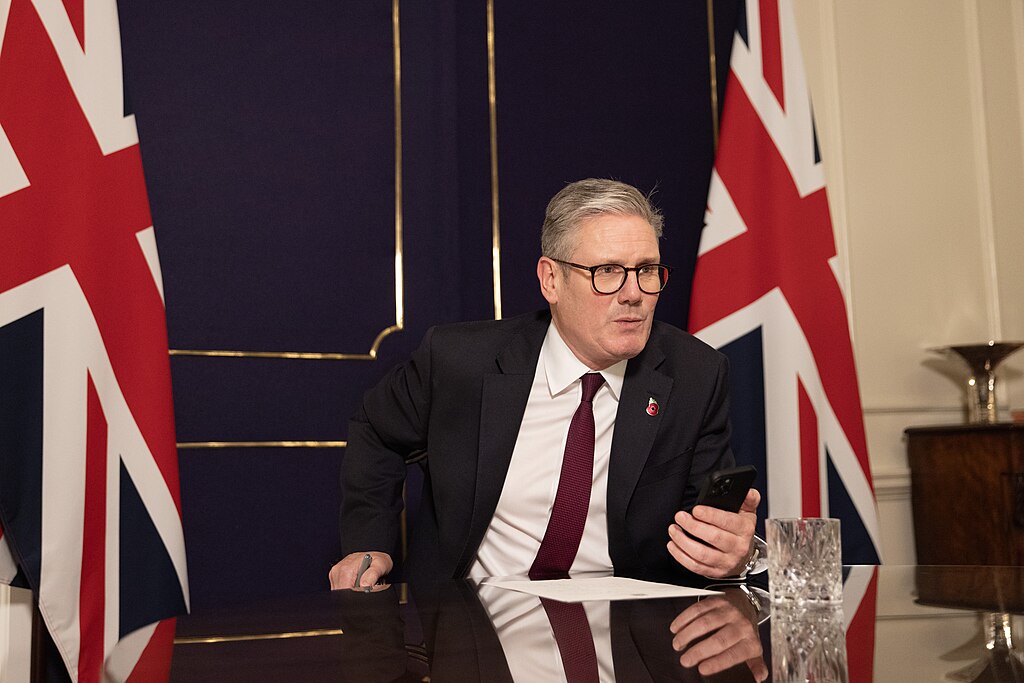
British Prime Minister Keir Starmer’s recent visit to China underscores the complex balancing act Western middle powers are attempting as rivalry between Beijing and Washington intensifies. While the trip allowed China to project itself as a reliable global partner, the tangible economic and strategic gains for Britain and other U.S. allies remain limited.
Starmer follows Canadian Prime Minister Mark Carney, who also visited China weeks earlier and later spoke at the World Economic Forum in Davos about a shifting global trade order as U.S. President Donald Trump continues to disrupt long-standing alliances during his second term. European leaders, India’s Narendra Modi, and others have also engaged Beijing, but questions persist about the long-term benefits of such outreach for Western economies and security interests.
Analysts note that these visits are partly designed to signal to Washington that alternatives exist if U.S. pressure continues on issues such as trade renegotiations and territorial disputes. However, experts argue that replacing the United States with China as an economic partner is neither realistic nor desirable. China’s weak domestic consumption and massive export surplus limit opportunities for balanced trade, especially for countries trying to protect their own manufacturing sectors.
During his trip, Starmer secured modest wins, including 30-day visa-free travel for Britons to China, reduced tariffs on whisky, and a $15 billion investment announcement by AstraZeneca. Yet he made little progress on sensitive issues such as Taiwan, Hong Kong, or China’s ties with Russia. Critics in Britain and the U.S. raised concerns over espionage and human rights, which Beijing denies.
China’s export-driven growth continues to pose risks for Western economies. Its record $1.2 trillion trade surplus and rising exports to Europe, Britain, and Canada highlight widening imbalances. While some analysts say resetting ties with Beijing can help ease tensions and address supply chain dependencies, they caution that these visits largely serve China’s narrative goals.
Ultimately, experts agree that such diplomacy is less about pivoting to China and more about reducing friction. As one analyst put it, no country wants to be caught in open conflict with both global superpowers at the same time.













