


 Australia Targets Meta, Google, and TikTok With New News Payment Tax Proposal
  Former FBI Director James Comey Charged Over Alleged Threat Against President
  Google Secures Pentagon AI Deal for Classified Projects
  Brazil Blocks Prediction Market Platforms, Tightens Derivatives Trading Rules
  Trump Administration Dismisses Entire National Science Board, Raising Concerns Over Scientific Independence
  Asian Markets Mixed as Fed Decision, Iran Tensions, and Inflation Data Weigh on Sentiment
  US Sanctions Target Iran Weapons Network Amid Rising Tensions
  Federal and State Authorities Conduct Widespread Fraud Raids Across Minnesota
  White House Defends Trump’s FIFA Peace Prize Amid Global Criticism
  Trump Administration Dismisses Entire National Science Board, Sparking Debate Over Scientific Independence
  China’s Ultra-Cheap EV Boom: Why Electric Cars Cost Far Less Than in the U.S.
  King Charles and Queen Camilla Honor 9/11 Victims During New York Visit Amid US-UK Tensions
  Victoria's Free Public Transport Extension Eases Cost-of-Living Pressure Amid Global Fuel Crisis
  Trump Administration Proposes New Rule to Limit Joint Employer Liability
  King Charles Reaffirms UK-US Alliance Amid Global Tensions
  Trump-Iran War Strategy: U.S. Intelligence Weighs Risks of Declaring Victory


 Homebuyer Plan Amid Housing Affordability Debate - EconoTimes)


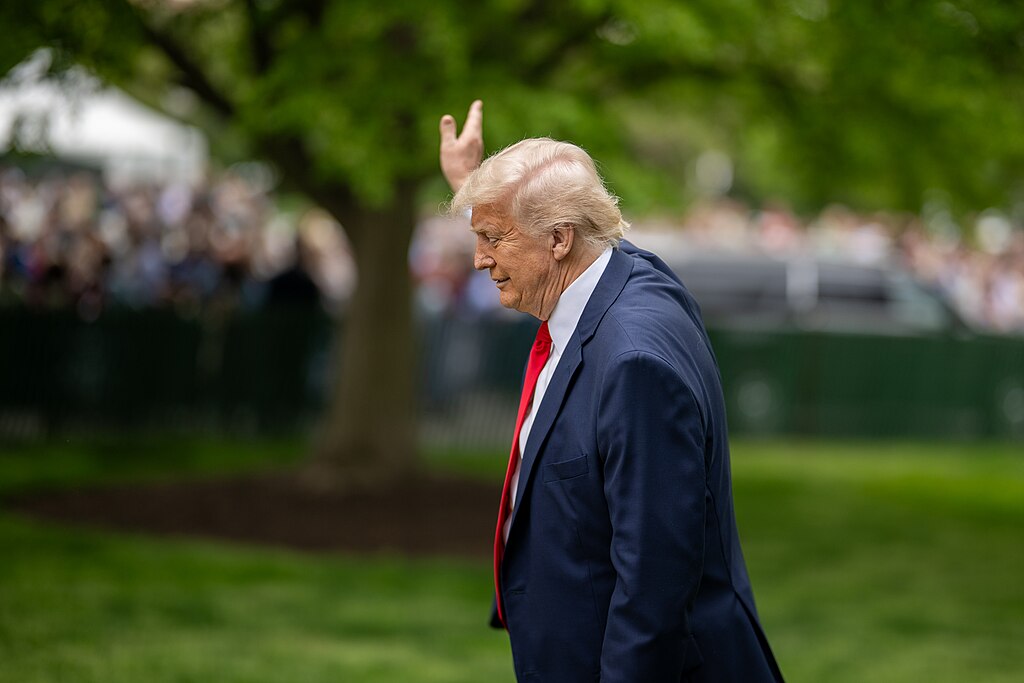
U.S. President Donald Trump has expressed reservations about a proposal floated by his own administration that would allow Americans to tap into their 401(k) retirement savings to help fund down payments on homes. Speaking to reporters aboard Air Force One on Thursday, Trump said he was “not a huge fan” of the idea, even though it was recently promoted by his chief economic adviser, Kevin Hassett.
Hassett told Fox Business Network last week that the Trump administration was considering policy changes that would let individuals withdraw money from their 401(k) accounts to finance home purchases. The proposal was positioned as a way to boost homeownership at a time when high mortgage rates and elevated home prices have locked many potential buyers out of the housing market. Trump, however, emphasized that he prefers Americans keep their retirement savings invested, noting that 401(k) accounts have been performing strongly.
“One of the reasons I don’t like it is that their 401(k)s are doing so well,” Trump said, adding that retirement accounts are currently outperforming the housing market. U.S. stock markets posted significant gains last year, with the S&P 500 rising 16.39% and the Nasdaq Composite climbing more than 20%, reinforcing Trump’s view that retirement funds should remain untouched.
As Trump prepares for potential losses in upcoming congressional elections amid economic uncertainty and rising cost-of-living concerns, housing policy has become a central focus of his agenda. He has made boosting homeownership rates and lowering borrowing costs key priorities. Earlier this week, Trump signed an executive order aimed at limiting large institutional investors from competing with individual buyers in residential real estate, a move designed to ease housing affordability pressures.
In recent weeks, Trump has also directed the Federal Housing Finance Agency to purchase $200 billion in bonds issued by Fannie Mae and Freddie Mac, with the goal of driving mortgage rates lower. He has repeatedly urged the U.S. Federal Reserve to cut its benchmark interest rates, arguing that lower rates would help revive housing demand.
Despite these efforts, analysts caution that affordability challenges are not solely driven by interest rates. Housing inflation remains elevated, and many economists argue that a chronic shortage of supply is the core problem. Without changes to zoning laws and construction regulations, lower rates could simply increase demand and push home prices even higher. Investors continue to monitor policy shifts closely, as any meaningful changes could influence housing market activity and mortgage application volumes in the months ahead.







