


 Russia Downs Over 50 Drones Near Moscow Ahead of Victory Day Ceasefire
  Trump Administration Dismisses Entire National Science Board, Sparking Debate Over Scientific Independence
  China Banks Halt New Loans to Sanctioned Refineries Amid U.S.-Iran Oil Crackdown
  Trump Invites Top CEOs Including Nvidia, Apple, Boeing to China Summit With Xi Jinping
  Trump Reportedly Approves Plan to Remove FDA Commissioner Marty Makary Amid Growing Controversies
  Vietnam Plans AI-Driven Propaganda Push With Influencers and Podcasts
  Russian LNG Shadow Fleet Expands Amid Arctic LNG 2 Sanctions
  Trump Says U.S. Navy Destroyers Passed Strait of Hormuz Under Iranian Fire
  Australia’s Wealthy Donors Shift Support to One Nation Amid Conservative Party Decline
  US Sanctions Target Iran’s Shadow Banking Network and Terror Financing
  Judge Rules Use of Military Lawyers in Civilian Prosecutions Is Lawful
  Brazil Pension Fund Crackdown After Banco Master Collapse Raises Investment Concerns
  Ukraine-Russia Ceasefire Confirmed as Prisoner Swap Deal Advances
  China-Made Fireworks Power U.S. Independence Day Celebrations Amid Trade Truce
  U.S., South Korea Launch Shipbuilding Partnership Initiative
  White House Withdraws Trump’s National Park Service Nominee Amid Criticism
  Senate Stablecoin Bill Sparks Clash Between Banks and Crypto Industry


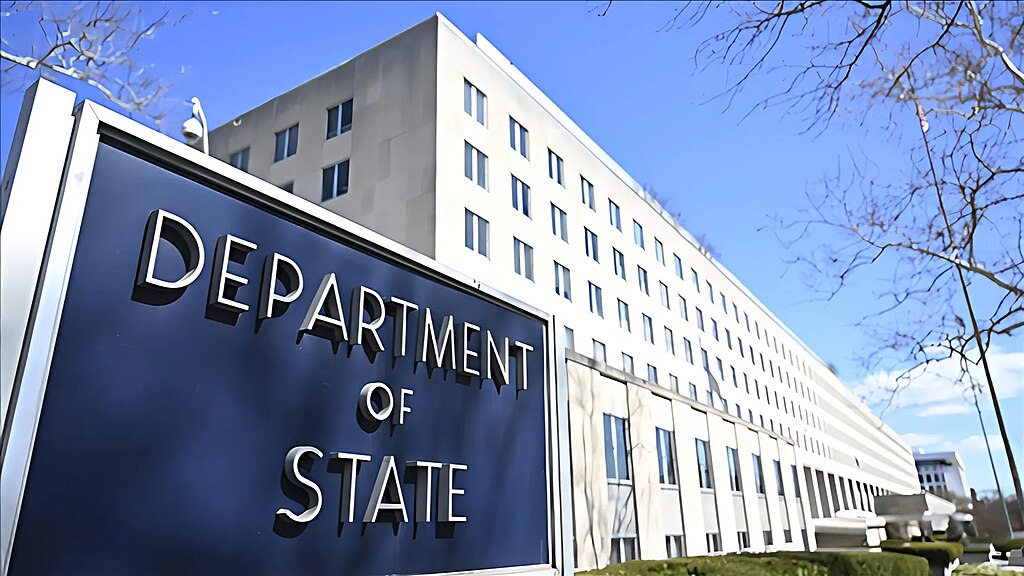
The United States has imposed new visa restrictions on members of Haiti’s Transitional Presidential Council, citing alleged links to gangs and criminal organizations, according to a statement released by the U.S. State Department on Sunday. The move includes revoking the visas of two council members as well as those of their immediate family members, escalating U.S. pressure amid Haiti’s ongoing political and security crisis.
In its statement, the State Department said the action was taken due to certain council members’ alleged “involvement in the operation of gangs and other criminal organizations in Haiti.” The department further accused unnamed members of interfering with efforts by the Haitian government to counter gangs that the United States has designated as Foreign Terrorist Organizations. The identities of the affected council members were not disclosed, and U.S. officials did not immediately provide additional details when asked for clarification.
Haiti’s embassy in Washington also did not respond to requests for comment, underscoring the uncertainty surrounding the decision and its potential diplomatic impact. The visa restrictions come at a particularly sensitive moment, as the mandate of the Transitional Presidential Council, which currently serves as Haiti’s top executive authority, is set to expire on February 7. At present, there is no officially announced succession plan, raising concerns about a potential power vacuum.
U.S. Secretary of State Marco Rubio discussed the situation with Haitian Prime Minister Alix Didier Fils-Aime on Friday, according to a State Department spokesperson. During the call, Rubio reiterated that the council should dissolve as scheduled but stressed the importance of Fils-Aime remaining in his role to help ensure continuity and stability. This stance contrasts with growing internal tensions, as two members of the council publicly called for Fils-Aime’s removal on the same day.
The Transitional Presidential Council was appointed in 2024 with the goal of guiding Haiti toward its first national election in nearly a decade. However, the election process has been repeatedly delayed due to a severe deterioration in security, driven by violent clashes between security forces and heavily armed gangs that control large parts of the country. As the United States tightens visa restrictions and presses for political transition, Haiti faces renewed uncertainty over its leadership, governance, and path toward long-awaited democratic elections.







