


 Moderna Stock Drops After FDA Declines Review of mRNA Flu Vaccine
  Senate Stablecoin Bill Sparks Clash Between Banks and Crypto Industry
  Trump Administration Dismisses Entire National Science Board, Raising Concerns Over Scientific Independence
  U.S. Officials Express Optimism Over New CDC Director Selection Amid Vaccine Policy Turmoil
  Medicare to Cover GLP-1 Weight-Loss and Diabetes Drugs Starting July 1
  Australia Targets Meta, Google, and TikTok With New News Payment Tax Proposal
  AstraZeneca Q1 2026 Earnings Surge on Strong Oncology and Rare Disease Drug Sales
  U.S. Sanctions Former DR Congo President Joseph Kabila Over Rebel Support
  Innovent Biologics Shares Rally on New Eli Lilly Oncology and Immunology Deal
  Organon Stock Surges After Reports of $13 Billion Buyout Bid by Sun Pharma
  Trump Reportedly Approves Plan to Remove FDA Commissioner Marty Makary Amid Growing Controversies
  US to Withdraw 5,000 Troops from Germany Amid Growing Rift with European Allies
  U.S. Flags Vietnam as “Priority Foreign Country” Over Intellectual Property Concerns
  China Banks Halt New Loans to Sanctioned Refineries Amid U.S.-Iran Oil Crackdown
  Intermittent fasting doesn’t have an edge for weight loss, but might still work for some
  Democratic Attorneys General Sue Trump Administration Over CDC Childhood Vaccine Schedule Changes
  Novartis’ Vanrafia Shows Strong Phase 3 Results in IgA Nephropathy, Paving Way for Full Approval


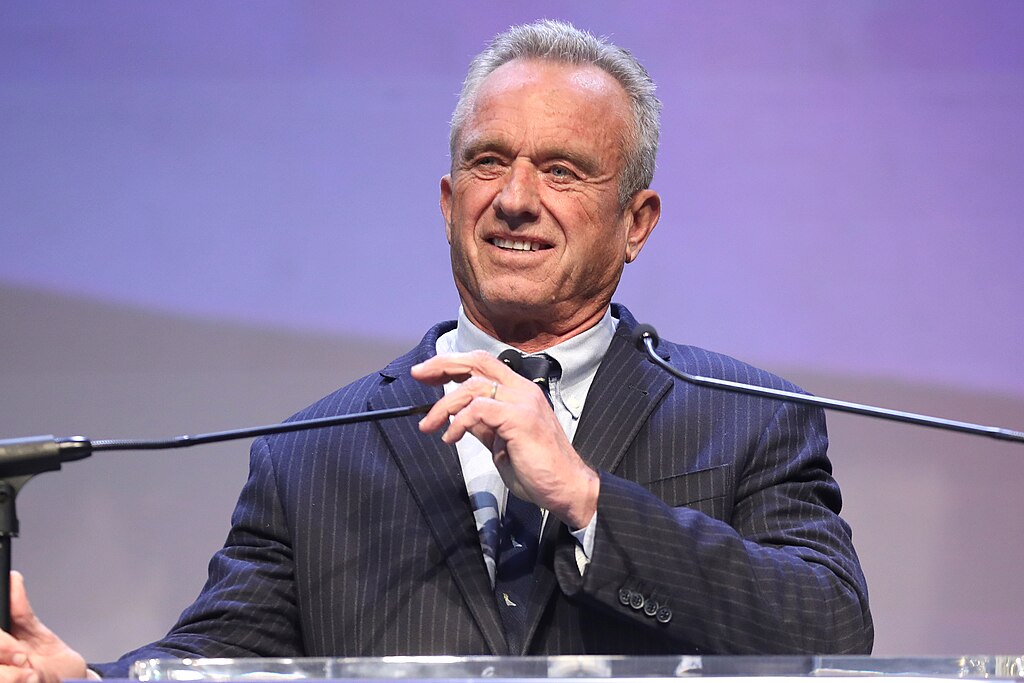
U.S. Health Secretary Robert F. Kennedy Jr. has reshaped national autism policy by appointing an entirely new slate of 21 members to the Interagency Autism Coordinating Committee (IACC), a federal panel that provides guidance on autism research and funding. The move has ignited sharp criticism from autism experts, scientists, and former committee members, due to several appointees’ ties to groups that promote unproven claims linking vaccines to autism.
Kennedy, a longtime critic of vaccines who has repeatedly claimed they are unsafe and associated with autism, said the newly appointed committee members bring decades of experience and will help deliver “the answers Americans deserve.” However, many in the medical and scientific community argue the changes could undermine evidence-based autism research and public trust in health policy.
The IACC, established in 2006, plays a key advisory role in shaping federal autism research priorities, influencing approximately $2 billion in annual funding. Historically, the committee included a balance of autism researchers, clinicians, self-advocates, parents, and government officials. In contrast, Kennedy replaced all prior members, breaking with past practice where some experts typically remained on the panel.
Among the new appointees are Daniel Rossignol, who has promoted discredited autism treatments such as chelation therapy, and John Gilmore, co-founder of the Autism Action Network, who has publicly linked his son’s autism to vaccination. Other members include Brownstone Institute fellow Toby Rogers and Autism Health founder Tracy Slepcevic, both associated with alternative autism treatment advocacy.
Autism Science Foundation President Alison Singer, who served on the committee for 12 years, warned the overhaul would harm people with autism and their families. Dr. Helen Tager-Flusberg of Boston University noted that many new members represent organizations advocating non-mainstream treatments, raising concerns that autism funding priorities could shift away from established science.
Kennedy has labeled rising autism rates—now estimated at one in 31 U.S. children by age eight—as an epidemic and has pledged to uncover causes and cures. He has also supported controversial positions, including promoting leucovorin as a treatment and raising alarms about Tylenol use during pregnancy, claims that health experts say lack strong scientific evidence.







