


 Ukraine-Russia Ceasefire Confirmed as Prisoner Swap Deal Advances
  CDC Monitors U.S. Travelers After Hantavirus Outbreak on Luxury Cruise Ship
  Dominican Republic Halts GoldQuest Mining Project Amid Environmental Protests
  FEMA Reinstates Employees After Dissent Letter, Signaling Shift in Workforce Stability
  Trump Administration Dismisses Entire National Science Board, Raising Concerns Over Scientific Independence
  Medicare to Cover GLP-1 Weight-Loss and Diabetes Drugs Starting July 1
  Lula and Trump Talks Signal New Phase in Brazil-US Relations
  Judge Rules Use of Military Lawyers in Civilian Prosecutions Is Lawful
  Trump Inspects Lincoln Memorial Reflecting Pool Renovation in Washington
  U.S. Flags Vietnam as “Priority Foreign Country” Over Intellectual Property Concerns
  Trump Expands Cuba Sanctions Targeting Key Sectors and Foreign Entities
  Russia Downs Over 50 Drones Near Moscow Ahead of Victory Day Ceasefire
  US House Advances $70 Billion Immigration Enforcement Budget Plan
  Trump Reportedly Approves Plan to Remove FDA Commissioner Marty Makary Amid Growing Controversies
  U.S., South Korea Launch Shipbuilding Partnership Initiative
  New York Moves to Ban Masked Law Enforcement During Immigration Operations
  Trump Invites Top CEOs Including Nvidia, Apple, Boeing to China Summit With Xi Jinping


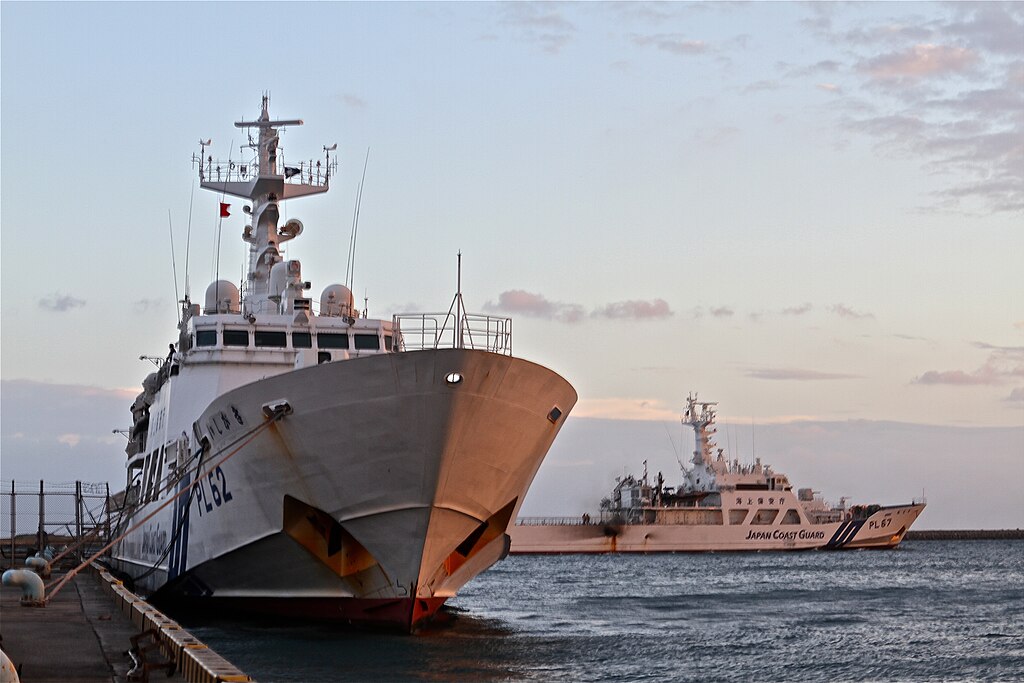
A 76-year-old Japanese fisherman, Hitoshi Nakama, has long seen himself as a frontline defender of Japan’s claims over the disputed Senkaku Islands in the East China Sea. For years, Nakama and other fishermen regularly sailed into the waters around the uninhabited islands—known as Diaoyu in China—both to fish and to symbolically assert Japan’s territorial control. However, since late last year, Japanese officials have quietly urged fishermen to avoid the area, signaling a notable shift in Tokyo’s approach amid rising tensions with Beijing.
According to Nakama and others familiar with the matter, the requests came as relations between Japan and China deteriorated following comments by Prime Minister Sanae Takaichi on a potential Chinese attack on Taiwan. The islands, administered by Japan but claimed by China and Taiwan, have long been a flashpoint, and Japanese authorities now appear increasingly concerned that even minor maritime incidents could escalate into a broader diplomatic or military confrontation. While Japan’s foreign ministry reiterated that the Senkaku Islands are an inherent part of Japanese territory, it declined to comment on specific requests made to fishermen.
The situation presents a strategic dilemma for Japan. Fishing activity helps demonstrate effective control over the islands, yet it also risks confrontations with Chinese coast guard vessels, which have increased their presence in the area. Chinese officials accuse Japanese nationalists of using fishing as a pretext to provoke trouble, while the United States has warned against unilateral actions that could change the status quo in the East China Sea. Any clash could potentially draw Washington into the dispute under its security treaty with Japan.
Despite official caution, fishermen like Nakama remain determined. The waters around the islands are rich in fish such as red snapper, providing a significant source of income. Supporters argue that a complete withdrawal could embolden China to assert its claims more aggressively. With Chinese coast guard ships reportedly present near the islands on a record number of days last year, the balance between economic activity, national sovereignty, and regional stability remains fragile—and fishermen continue to find themselves at the center of a high-stakes geopolitical contest.







