


 U.S. Futures Slide as Oil Prices Surge on Middle East Shipping Attacks
  Dollar Strengthens Amid Oil Price Surge and Inflation Fears
  Venezuela Names Paula Henao as New Oil Minister Amid U.S.-Led Industry Overhaul
  Chinese AI Stocks Surge as Tencent, MiniMax, and Zhipu Launch Agentic AI Programs
  IEA Releases Record 400 Million Barrels of Oil Amid U.S.-Iran War
  IEA Plans Record Emergency Oil Release Amid Iran Strait of Hormuz Crisis
  Gold Prices Climb Above $5,200 as Iran War Uncertainty and Inflation Data Loom
  Iran-U.S. Oil Tensions Escalate as Revolutionary Guards Threaten Strait of Hormuz Blockade
  RBA Set for Back-to-Back Rate Hikes, Westpac Forecasts
  China's Trade Surplus Surges Past Forecasts in Early 2026
  Diesel Price Surge Threatens Global Economy Amid Middle East Conflict
  Asia FX Steady as Iran War Signals and U.S. Inflation Data Weigh on Sentiment
  Iran-Israel War Sparks Global Oil Crisis as Tankers Burn in Gulf Waters
  UK Housing Market Slows Amid Geopolitical Tensions and Mortgage Rate Fears
  U.S. Markets Slip Amid Iran Conflict Uncertainty as Oil Prices Retreat
  U.S. Solar Market Contracts in 2025 as Trump Rolls Back Renewable Energy Incentives
  German Exports Drop 2.3% in January, Exceeding Forecast Decline


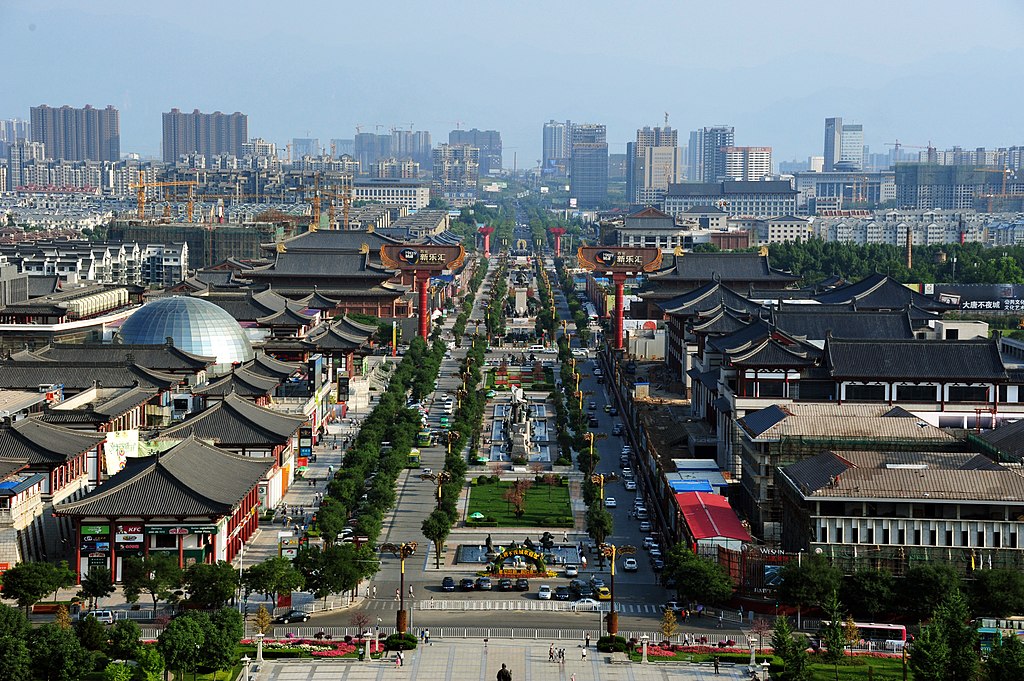
Average prices of new homes across 100 major Chinese cities recorded an increase in January, while price declines in the secondary housing market continued to narrow, according to a private survey. The data suggests early signs of stabilization in China’s property sector following renewed government pledges to support the real estate market and ease volatility after years of downturn.
New home prices rose by 0.18% month-on-month in January, based on figures from the China Index Academy, one of China’s leading property research institutions. Although this growth was slower than December’s 0.28% increase, it still marked continued positive momentum in the new housing market. Major cities such as Chengdu, Shanghai, and Hangzhou saw the launch of high-end, upgraded residential projects, which helped push prices higher on both a monthly and annual basis in first- and second-tier cities. Demand for quality housing in core urban areas remained resilient, reflecting buyer confidence in prime locations.
In contrast, lower-tier cities faced ongoing challenges. Third- and fourth-tier cities continued to clear existing housing inventory, leading to price declines both month-on-month and year-on-year. These areas remain under pressure from weaker demand and excess supply, highlighting the uneven recovery across China’s real estate market.
The secondary or resale housing market also showed signs of improvement. Prices fell 0.85% in January compared with the previous month, narrowing from a 0.97% decline in December. This moderation suggests that downward pressure on resale home prices may be gradually easing.
China’s property sector has struggled since 2021, when stricter regulations under the “three red lines” policy triggered a liquidity crisis and widespread developer debt defaults. Recent local media reports indicated that developers are no longer required to submit monthly data under this policy, signaling a potential shift away from regulations that contributed to the prolonged debt crisis.
On January 1, Qiushi, the Communist Party’s official journal, described the property sector as undergoing a “profound adjustment” and urged policymakers to shorten the adjustment period, stabilize market expectations, and implement comprehensive support measures rather than incremental steps.
Looking ahead, property sales are expected to slow temporarily in February due to the Spring Festival holiday. However, demand is forecast to rebound in March as high-quality land in core cities becomes available and developers increase promotional efforts ahead of the peak selling season.













