


 U.S. Solar Market Contracts in 2025 as Trump Rolls Back Renewable Energy Incentives
  Venezuela Names Paula Henao as New Oil Minister Amid U.S.-Led Industry Overhaul
  IEA Plans Record Emergency Oil Release Amid Iran Strait of Hormuz Crisis
  Diesel Price Surge Threatens Global Economy Amid Middle East Conflict
  Chinese AI Stocks Surge as Tencent, MiniMax, and Zhipu Launch Agentic AI Programs
  German Exports Drop 2.3% in January, Exceeding Forecast Decline
  Dollar Strengthens Amid Oil Price Surge and Inflation Fears
  Gold Prices Climb Above $5,200 as Iran War Uncertainty and Inflation Data Loom
  Trump Administration Launches Trade Investigations Against 16 Countries Over Industrial Overcapacity
  Dollar Steadies as Traders Await Clarity on U.S.-Israel-Iran War
  U.S.-Israel War on Iran Sends Crude Oil Prices Surging Amid Strait of Hormuz Tensions
  Nations will release an extra 400 million barrels of oil to the market. All we need to do now is not panic at the pump
  Iran-U.S. Oil Tensions Escalate as Revolutionary Guards Threaten Strait of Hormuz Blockade
  Asian Markets Retreat as Oil Prices Surge Toward $100 Amid Middle East Tensions
  RBA Set for Back-to-Back Rate Hikes, Westpac Forecasts
  Gold Prices Slip as U.S.-Israel-Iran War Fuels Dollar and Oil Demand
  UK Housing Market Slows Amid Geopolitical Tensions and Mortgage Rate Fears


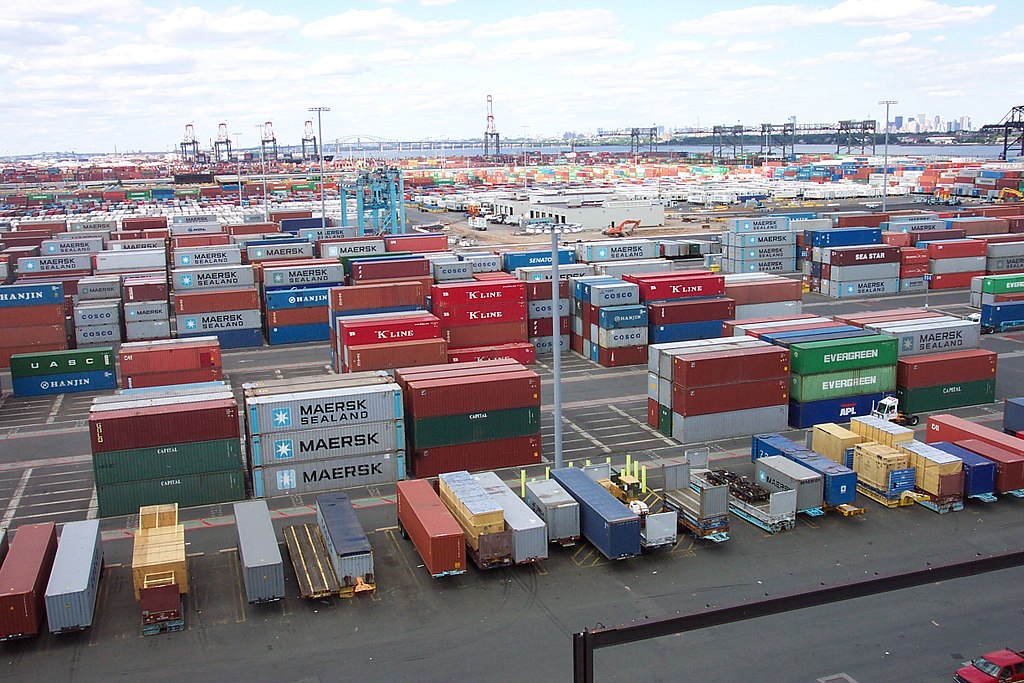
Canada recorded a sharp increase in its monthly international trade deficit in November as merchandise exports fell significantly, highlighting ongoing challenges tied to trade diversification and U.S. tariff uncertainty. According to Statistics Canada, the country posted a goods trade deficit of C$2.2 billion in November, a steep rise from an upwardly revised C$395 million deficit in October.
The widening trade gap was largely driven by a sharp decline in exports, particularly in key sectors such as metals, non-metallic mineral products, and automotive manufacturing. Exports of metals and non-metallic goods dropped 24.4% month over month, led by a substantial fall in shipments of unwrought gold. Major declines were seen in exports of unwrought gold to Britain, the United States, and Hong Kong, while overall export volumes slipped 0.9%.
Motor vehicle and auto parts exports also fell sharply, declining 11.6% in November, marking the largest monthly drop in this category in three years. These losses reflect the ongoing impact of U.S. tariffs on Canadian steel, aluminum, automotive products, and lumber—sectors that form a critical backbone of Canada’s export economy.
Although imports edged lower by just 0.1% to C$66.14 billion, reduced purchases of motor vehicles, parts, and energy products contributed to the slight decline. Imports from the United States dropped 5.4%, while exports to the U.S. fell a more modest 1.8%, allowing Canada’s merchandise trade surplus with its largest trading partner to rise to C$6.6 billion in November from C$5.2 billion in October.
Despite this improvement, exports to the U.S. accounted for just over 68% of Canada’s total shipments, down from 76% a year earlier, underscoring a gradual shift toward trade diversification. Imports from non-U.S. countries surged 7.8%, driven mainly by China and Germany, while exports to countries outside the U.S. fell 4.9%, pushing the non-U.S. trade deficit to C$8.8 billion.
Following the data release, the Canadian dollar strengthened, while two-year government bond yields edged lower. The November trade report was delayed due to a prolonged U.S. government shutdown that disrupted data collection.













