


 IEA Plans Record Emergency Oil Release Amid Iran Strait of Hormuz Crisis
  Dollar Strengthens Amid Oil Price Surge and Inflation Fears
  Dollar Steadies as Traders Await Clarity on U.S.-Israel-Iran War
  Nations will release an extra 400 million barrels of oil to the market. All we need to do now is not panic at the pump
  Asian Stock Markets Rise as Oil Prices Pull Back; U.S. CPI in Focus
  Bank of Japan Expected to Hold Rates at 0.75% Before June Hike Amid Middle East War Uncertainty
  U.S.-Israel War on Iran Sends Crude Oil Prices Surging Amid Strait of Hormuz Tensions
  U.S. Markets Slip Amid Iran Conflict Uncertainty as Oil Prices Retreat
  UK Housing Market Slows Amid Geopolitical Tensions and Mortgage Rate Fears
  RBA Set for Back-to-Back Rate Hikes, Westpac Forecasts
  German Exports Drop 2.3% in January, Exceeding Forecast Decline
  China's Trade Surplus Surges Past Forecasts in Early 2026
  U.S. Futures Slide as Oil Prices Surge on Middle East Shipping Attacks
  Iran-U.S. Oil Tensions Escalate as Revolutionary Guards Threaten Strait of Hormuz Blockade
  Trump Administration Launches Trade Investigations Against 16 Countries Over Industrial Overcapacity
  Venezuela Names Paula Henao as New Oil Minister Amid U.S.-Led Industry Overhaul
  Iran-Israel War Sparks Global Oil Crisis as Tankers Burn in Gulf Waters


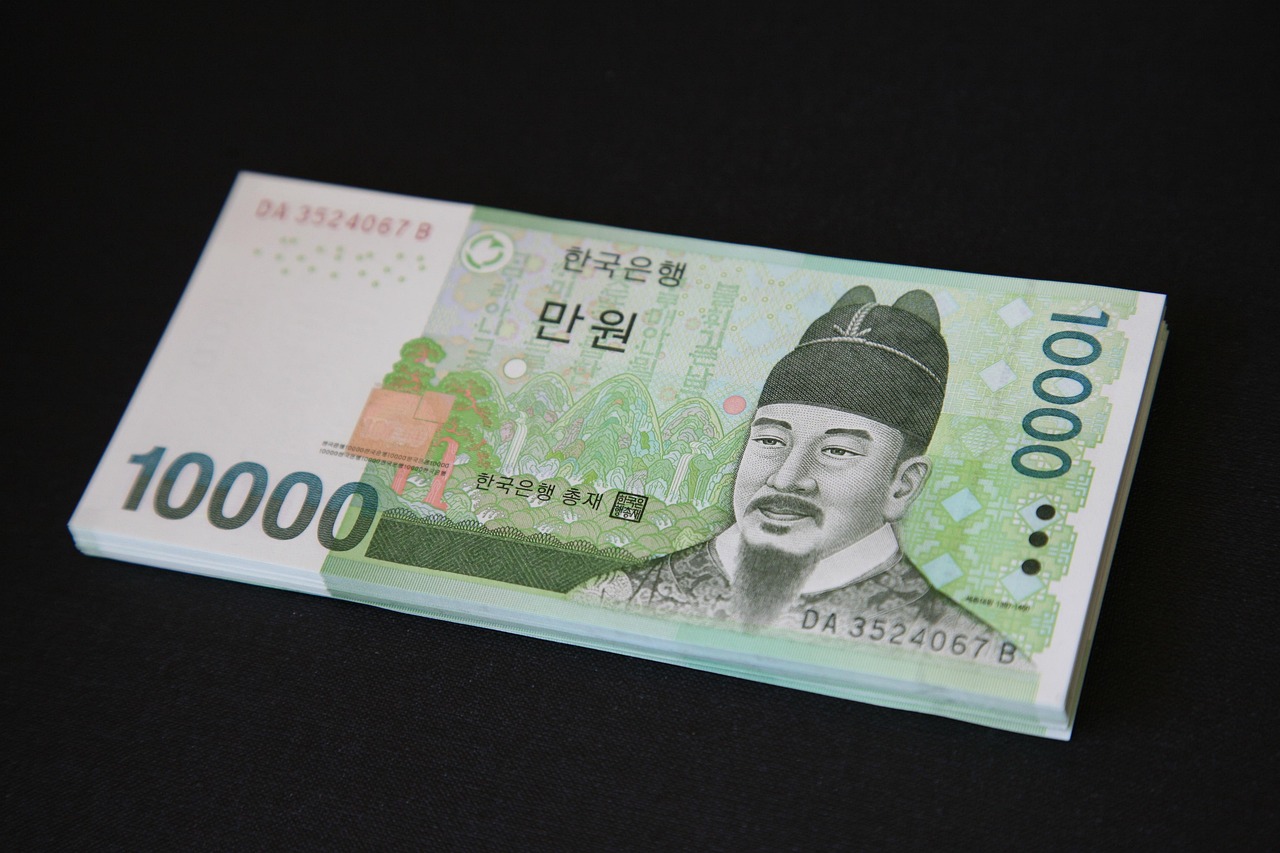
Asian currencies traded in a narrow range on Friday as the U.S. dollar rebounded modestly from a near four-year low, following comments from U.S. President Donald Trump that he would announce his nominee for the next Federal Reserve Chairman later in the day. Despite the dollar’s late recovery, most Asian currencies were on track to post strong gains for January, reflecting a broad shift by traders away from the greenback amid rising global uncertainty.
The U.S. dollar has been under sustained pressure this month as concerns over Trump’s economic policies, fiscal health, and escalating geopolitical tensions weighed heavily on sentiment. Investors increasingly rotated into gold, physical assets, and regional currencies, driving the dollar index to its worst monthly performance since August 2025, with losses of around 1.8%.
Among Asian currencies, the Australian dollar emerged as the strongest performer, with the AUD/USD pair rising nearly 5% in January. Although the pair slipped about 0.6% on Friday, it remained close to a two-year high. The Australian dollar was supported by expectations that the Reserve Bank of Australia will raise interest rates by at least 25 basis points at its upcoming policy meeting, following a sharp uptick in fourth-quarter inflation data. Signs of resilience in the Australian economy have further strengthened the case for tighter monetary policy.
The Japanese yen also posted solid gains this month as speculation grew over potential government intervention to stabilize currency markets. The USD/JPY pair declined about 1.8% in January, although it rebounded slightly on Friday after Tokyo inflation data showed a sharp slowdown, potentially complicating the Bank of Japan’s rate hike outlook.
The Chinese yuan benefited from sustained dollar weakness, with USD/CNY touching its strongest level in nearly three years, aided by firm midpoint fixings from the People’s Bank of China. In contrast, the Indian rupee lagged behind its regional peers, hitting record lows and falling more than 2% this month due to concerns over slowing economic growth and stalled U.S.-India trade talks.
Elsewhere, the South Korean won and Singapore dollar both posted monthly gains, reflecting broader strength across Asian currencies despite short-term volatility in global markets.













