


 California Drivers Sue BP, Walmart, 7-Eleven Over Alleged AI Gas Price Fixing
  Trump Administration Proposes Repeal of 702 Federal Regulations in Major Deregulation Push
  Trump Threatens ABC News Lawsuit Over Lincoln Memorial Reflecting Pool Coverage
  US Waives Iran Sanctions for 60 Days as Peace Talks Advance and Lebanon Sees Calm
  Trump Suspends Some Morocco Fertilizer Tariffs to Ease U.S. Supply Shortage
  Frank Stronach Found Guilty of Sexual Assault and Indecent Assault in Ontario Court
  FIFA Suspends Balogun Ban, Clears U.S. Striker for Belgium World Cup Clash
  US Supreme Court Strikes Down Hawaii Gun Carry Law on Private Property
  Australia Plans Higher Fines for Social Media Firms Failing to Block Underage Users
  Khamenei Funeral Draws Thousands as Iran Stages Nationwide Week of Mourning
  NRC Proposes Radiation Rule Changes to Boost U.S. Nuclear Power Expansion Under Trump
  China Expands Export Controls, Adds 20 Japanese Companies to Restricted List
  Australian PM Anthony Albanese Apologizes After Kylie Minogue Podcast Remarks Spark Backlash
  Israel Cabinet Rejects Supreme Court Ruling, Sparking Constitutional Crisis Fears
  Trump Administration to Launch Voluntary AI Standards for Frontier Models
  DOJ Seeks Dismissal of Gautam Adani Bribery Case, Citing Foreign Scope
  California Court Dismisses Trump Administration Lawsuit Against Los Angeles Sanctuary Policy


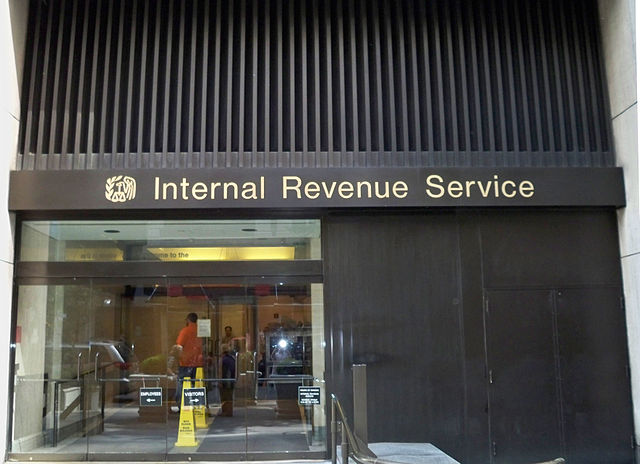
U.S. President Donald Trump and several members of his family have filed a sweeping $10 billion lawsuit against the Internal Revenue Service (IRS) and the U.S. Treasury Department, alleging unlawful disclosure of their confidential tax returns. The lawsuit, filed on Thursday, claims that federal agencies violated long-standing taxpayer privacy laws by releasing sensitive financial information without proper legal justification.
According to the complaint, the disclosure of Donald Trump’s tax returns, along with those of his family members, caused significant financial harm, reputational damage, and emotional distress. The plaintiffs argue that the IRS and Treasury Department failed in their legal duty to safeguard private taxpayer information, a cornerstone principle of the U.S. tax system designed to protect all citizens, regardless of status or political affiliation.
The lawsuit stems from the release of Trump’s tax records to the U.S. House Ways and Means Committee, which later made the documents public. While congressional Democrats argued that the release served a legitimate legislative purpose related to oversight of the IRS and the presidential audit process, Trump and his family strongly dispute this claim. They assert that the disclosure was politically motivated and exceeded the lawful scope of congressional authority.
Donald Trump has repeatedly maintained that the publication of his tax returns was part of a broader campaign to target him and his family. In the lawsuit, the plaintiffs seek $10 billion in damages, citing what they describe as “extraordinary misconduct” by federal agencies entrusted with protecting confidential financial data.
The case adds another chapter to Trump’s ongoing legal battles and is likely to reignite debate over taxpayer privacy, congressional oversight, and the limits of government authority. Legal experts note that the outcome could have lasting implications for how tax information is handled in high-profile investigations, particularly involving public officials.
As the lawsuit moves forward, it is expected to draw intense public and political scrutiny, given Trump’s continued influence in U.S. politics and the broader implications for federal accountability and privacy protections under U.S. law.







