


 Iran-Israel War Sparks Global Oil Crisis as Tankers Burn in Gulf Waters
  Trump Announces New U.S. Oil Refinery in Texas with Indian Energy Giant Reliance
  Boeing Secures $289 Million Smart Bomb Contract With Israel
  U.S. Patriot Missiles Redeployed From South Korea Amid Middle East Conflict
  Taiwan's MQ-9B SkyGuardian Drone Order Stays on Schedule Despite Middle East Conflict
  IEA Releases Record 400 Million Barrels of Oil Amid U.S.-Iran War
  Dollar Strengthens Amid Oil Price Surge and Inflation Fears
  U.S. Senate Greenlights AI Chatbots for Official Staff Use
  Dollar Steadies as Traders Await Clarity on U.S.-Israel-Iran War
  RBA Set for Back-to-Back Rate Hikes, Westpac Forecasts
  U.S. Calls for Reassessment of International Aid to Taliban-Ruled Afghanistan
  Trump Administration Launches Trade Investigations Against 16 Countries Over Industrial Overcapacity
  Pentagon Taps Wall Street Talent to Manage $200 Billion Defense Investment Fund
  Venezuela Names Paula Henao as New Oil Minister Amid U.S.-Led Industry Overhaul
  U.S. Futures Slide as Oil Prices Surge on Middle East Shipping Attacks
  Iran-U.S. Oil Tensions Escalate as Revolutionary Guards Threaten Strait of Hormuz Blockade
  Trump-Putin Call Addresses Iran War, Ukraine Peace, and Global Oil Crisis


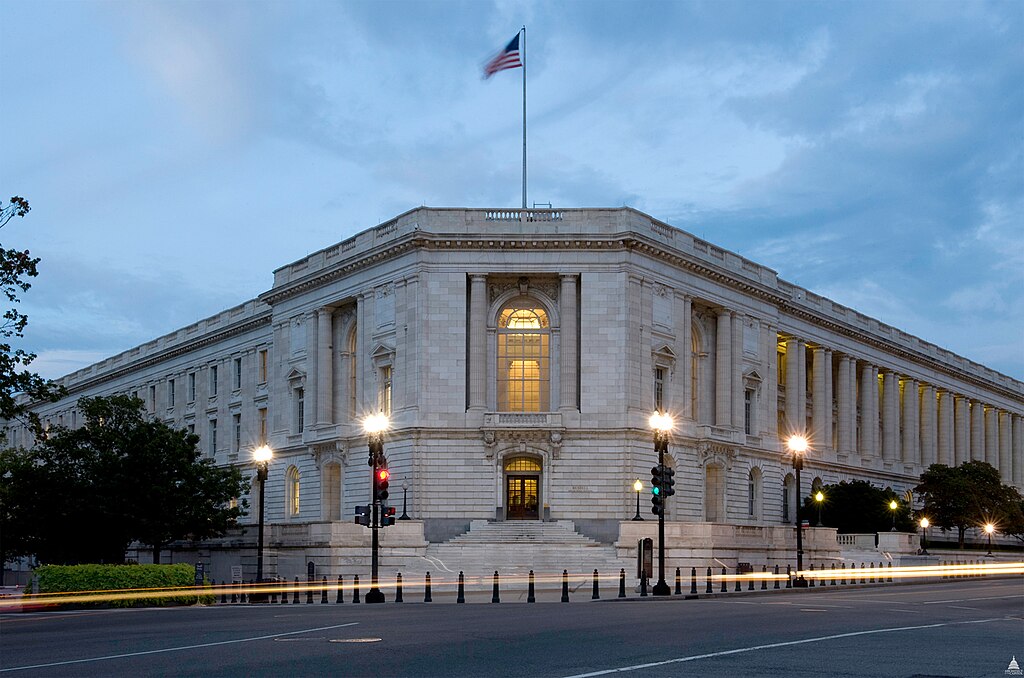
The United States government was on track for a partial shutdown early Saturday after Congress failed to finalize a funding agreement before the midnight deadline. Although the U.S. Senate ultimately passed a bipartisan spending package by a 71–29 vote after hours of delay, the House of Representatives was not in session and is not expected to consider the measure until Monday. As a result, a government shutdown was set to begin at 12:01 a.m. Eastern Time, though lawmakers signaled it could be short-lived.
The Senate-approved deal aims to keep most federal agencies funded while temporarily separating funding for the Department of Homeland Security (DHS). This approach allows Congress to continue financing key operations such as the Pentagon and the Department of Labor while lawmakers debate new limits on federal immigration enforcement tactics. DHS funding would be extended for two weeks, giving negotiators additional time to reach a compromise.
The funding standoff was driven largely by renewed tensions over immigration policy. Senate Democrats threatened to block the broader spending package following the fatal shooting of U.S. citizen and nurse Alex Pretti by federal immigration agents in Minneapolis last weekend. The incident, which marked the second death this month of a U.S. citizen with no criminal record involving immigration enforcement, sparked widespread public outrage and prompted the Trump administration to scale back operations in the region.
Democrats are pushing for stricter oversight of immigration agents, including ending roving patrols, requiring body cameras, banning face masks, and mandating judicial search warrants instead of internal approvals. Republicans have indicated a willingness to consider some reforms, though negotiations remain ongoing.
Historically, short government shutdowns have had limited impact. According to the Congressional Research Service, the federal government has experienced 10 funding gaps of three days or fewer since 1977. This situation contrasts sharply with last fall’s prolonged shutdown over healthcare disputes, which lasted 43 days and cost the U.S. economy an estimated $11 billion.
With both parties working to prevent immigration debates from disrupting essential government services, lawmakers remain optimistic that this shutdown will be brief and resolved once the House returns to Washington.













