


 Asian Currencies Stay Range-Bound as Investors Eye China Data, RBNZ Outlook and U.S.-Iran Ceasefire
  Global Financial Firms Shift Asia Expansion Focus to South Korea as China, India Face Caution
  Japan Targets 1%+ Real Economic Growth With ¥370 Trillion Investment Plan
  Economic pessimism has set in – but there are reasons for Australians to be hopeful
  Gold Price Ends Lower for Fourth Week Despite Rebound as Fed Rate Hike Bets Strengthen
  Gold Prices Drop as Fed Rate Outlook and Iran Tensions Weigh on Market
  Asian Stocks Slip as US-Iran Ceasefire Hopes Lift Oil, Dollar Strength Persists
  Oil Prices Slip as U.S.-Iran Peace Talks and Strait of Hormuz Risks Keep Markets on Edge
  Trump Suspends Some Morocco Fertilizer Tariffs to Ease U.S. Supply Shortage
  US Stock Futures Rise as US-Iran Ceasefire Hopes Boost Market Sentiment
  Oil Prices Rise as US-Iran Tensions Threaten Strait of Hormuz Oil Shipments
  China Expands Export Controls, Adds 20 Japanese Companies to Restricted List
  Canada Grants C$7 Million to Greenland Molybdenum Mine to Strengthen Critical Minerals Supply
  World Bank Approves $1.1 Billion Emergency Funding for Bangladesh Amid Food and Energy Price Pressures
  Asian Stocks End Strong Quarter as Dollar Surges, Yen Hits 40-Year Low Ahead of US Jobs Data
  Trump Urges Gasoline Retailers to Cut Prices to $2.50 Per Gallon, Warns of Legal Action
  Trump Threatens 100% Tariffs on Countries Imposing Digital Services Taxes on U.S. Tech Firms


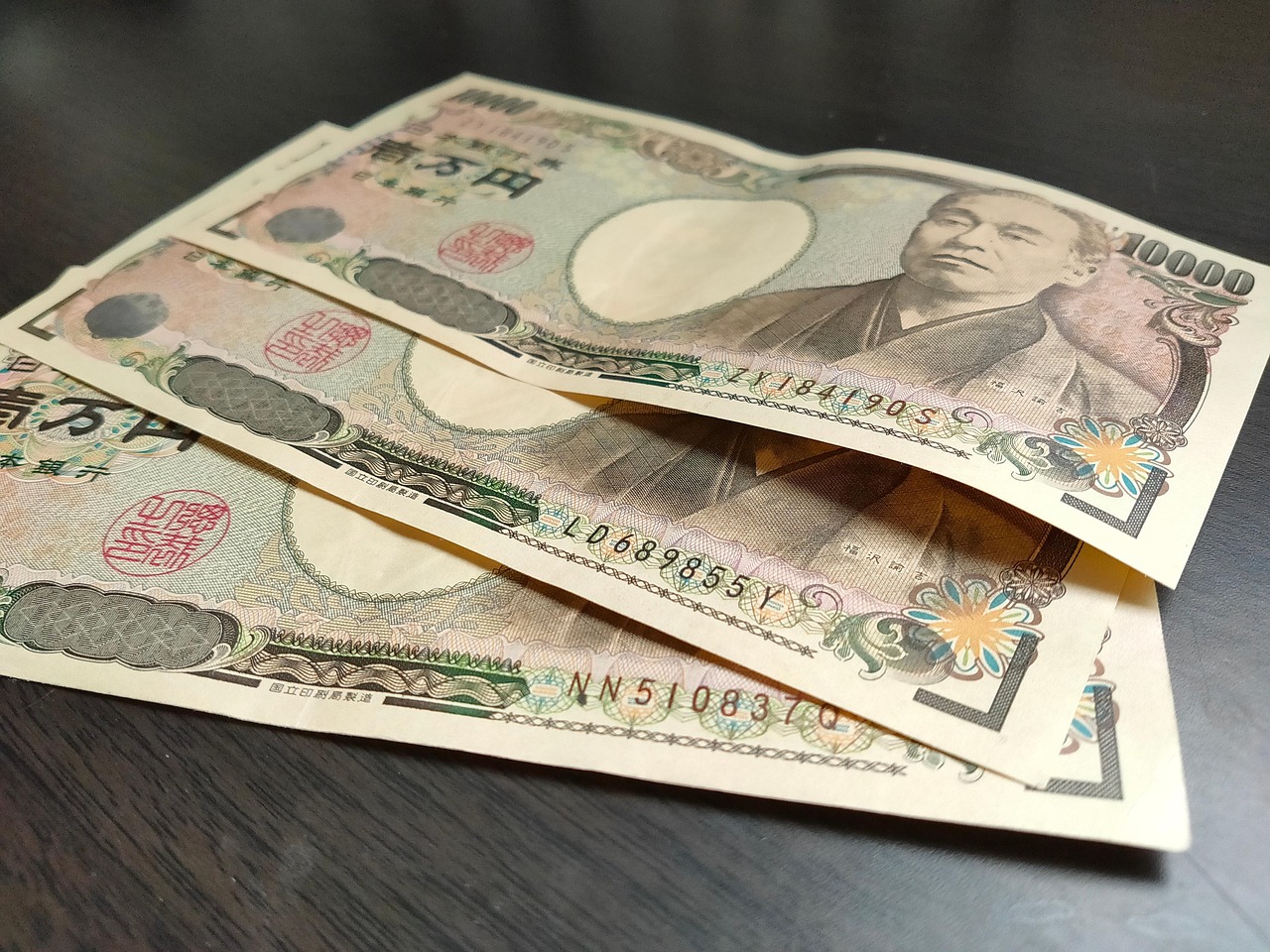
Asian currencies traded within a narrow range on Tuesday as geopolitical uncertainty surrounding potential U.S.-Iran peace talks kept investors cautious. With a temporary ceasefire set to expire later this week, traders largely remained on the sidelines, limiting volatility across regional foreign exchange markets.
The U.S. dollar showed resilience during Asian trading hours, with the dollar index hovering near its lowest levels since early March. Market attention shifted toward a key Senate confirmation hearing for Federal Reserve Chair nominee Kevin Warsh. His stance on monetary policy and central bank independence is under close scrutiny, especially given ongoing political pressure from President Donald Trump for more aggressive interest rate cuts.
Warsh has historically supported lower interest rates but has also advocated for reducing the Federal Reserve’s balance sheet, positioning him as less dovish than some investors had anticipated. His nomination has sparked debate in Washington, with some lawmakers threatening to block the confirmation unless concerns over a criminal probe into current Fed Chair Jerome Powell are addressed. Powell’s term is scheduled to end on May 15.
In Asia, the Japanese yen weakened slightly, with USD/JPY ticking higher after reports suggested the Bank of Japan may delay interest rate hikes amid concerns over prolonged Middle East tensions and rising import costs. While Japan’s inflation has eased recently, higher energy prices could reverse this trend, complicating policy decisions.
Other Asian currencies, including the Chinese yuan and Singapore dollar, remained largely unchanged. The Australian dollar and Indian rupee edged lower due to subdued risk appetite, while the New Zealand dollar outperformed, supported by stronger-than-expected inflation data.
Oil prices, which had surged earlier, eased slightly, offering some relief to regional markets. However, uncertainty around Iran’s diplomatic stance and upcoming negotiations continues to influence investor sentiment across global FX markets.







