


 Russian Attacks Kill Four in Ukraine as Zaporizhzhia and Kharkiv Come Under Fire
  Canada Grants C$7 Million to Greenland Molybdenum Mine to Strengthen Critical Minerals Supply
  Trump Threatens 100% Tariffs on Countries Imposing Digital Services Taxes on U.S. Tech Firms
  Israeli Airstrike Kills Three in Central Gaza Despite Ceasefire
  Andy Burnham Sets Out Vision to Decentralize Britain as Labour Leadership Race Begins
  Maria Corina Machado’s Return to Venezuela Faces U.S. Hesitation After Deadly Earthquakes
  Sheinbaum Says No One Is Above the Law After Abuse Video of Ex-Pemex Chief Emerges
  Russia Intensifies Assault on Kostiantynivka as Ukraine’s Donetsk Defense Faces Mounting Pressure
  Trump Signs Memorandum Backing Americans’ Right to Repair Their Own Vehicles
  Serbia Protests Continue as Thousands Rally Despite Vucic’s Resignation Plan
  Ukraine Strikes Russian Titan-Barrikady Plant With Long-Range FP-5 Flamingo Missile
  Trump Questions Housing Bill as He Prioritizes SAVE America Act
  Australia, Vanuatu Sign Security Pact Amid Pacific Influence Competition
  Australia Plans Higher Fines for Social Media Firms Failing to Block Underage Users
  Trump Suspends Some Morocco Fertilizer Tariffs to Ease U.S. Supply Shortage
  Iran Launches Drone Attack on Bahrain After U.S. Strikes, Strait of Hormuz Tensions Escalate


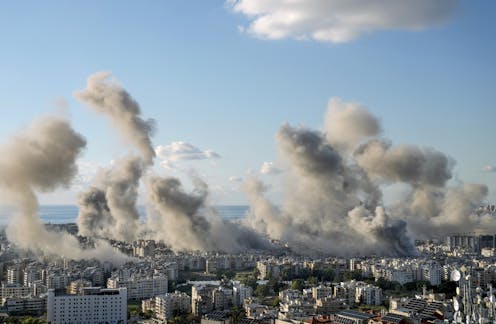
Israel has warned residents of southern Lebanon to avoid returning to a wide stretch of territory along the border, reinforcing its military presence despite an ongoing ceasefire with Hezbollah. The advisory includes areas extending toward the Litani River, signaling Israel’s intent to maintain control over a strategic buffer zone aimed at preventing further cross-border attacks.
The U.S.-brokered 10-day ceasefire, which began last Thursday, has largely paused hostilities between Israel and the Iran-backed Hezbollah group. However, tensions remain high as Israeli troops continue operating several kilometers داخل Lebanese territory. According to the Israeli military, forces are holding positions approximately 5 to 10 kilometers north of the border due to what it describes as ongoing security threats.
Maps released by Israel highlight restricted zones affecting more than 70 villages across southern Lebanon. Residents have been urged not to approach these areas, with warnings citing risks from continued military activity. The Litani River region has also been declared off-limits, further limiting civilian movement in the south.
Hezbollah officials and local Lebanese authorities have echoed similar warnings, advising displaced residents not to return home prematurely. Concerns remain over potential Israeli strikes and unexploded ordnance. Hezbollah has also claimed responsibility for detonating explosives against Israeli armored vehicles, alleging the destruction of four tanks, though Israel has not confirmed this.
The conflict, which intensified on March 2 when Hezbollah launched attacks in support of Iran, has caused widespread devastation. Lebanese officials report over 2,300 deaths, including children, and more than 1.2 million displaced people. Meanwhile, Israel states that Hezbollah attacks have resulted in civilian casualties and the deaths of Israeli soldiers.
As the ceasefire holds uncertainly, the situation in southern Lebanon underscores ongoing geopolitical tensions in the Middle East, with both sides maintaining defensive and offensive postures.







