


 U.S. Stock Futures Hold Steady as Investors Monitor Iran Tensions and Key Economic Events
  Gold Prices Drop as Oil Rally and U.S.-Iran Tensions Shake Markets
  IMF Warns Middle East War to Deepen Economic Divide Across Latin America and Caribbean
  Oil Prices Surge Amid U.S.-Iran Tensions and Strait of Hormuz Disruptions
  KOSPI Hits Record High as AI Chip Demand Lifts SK Hynix and Samsung Stocks
  Australia Extends Fuel Sulphur Relaxation Amid Iran War Supply Disruptions
  Asian Stocks Rise as Tech Gains Offset US-Iran Tensions, Oil Prices Add Pressure
  US Dollar Slips Amid Iran Tensions and Fed Leadership Uncertainty
  Oil Prices Plunge as Strait of Hormuz Reopens Amid U.S.-Iran Ceasefire Talks
  Japan Inflation Expectations Rise as BOJ Rate Hike Timing Faces Uncertainty
  Oil Prices Slip as U.S.-Iran Tensions and Ceasefire Uncertainty Weigh on Markets
  Carney Warns Canada Must Rethink U.S. Ties Amid Trade Tensions and Sovereignty Concerns
  Uranium Bull Market Gains Momentum Amid Supply Deficits and Geopolitical Tensions
  Oil Prices Surge Amid Middle East Tensions as Global Markets React Cautiously
  Asian Currencies Slip as Dollar Gains Safe-Haven Strength Amid U.S.-Iran Tensions
  Stocks Surge as Strait of Hormuz Reopens, Oil Prices Plunge


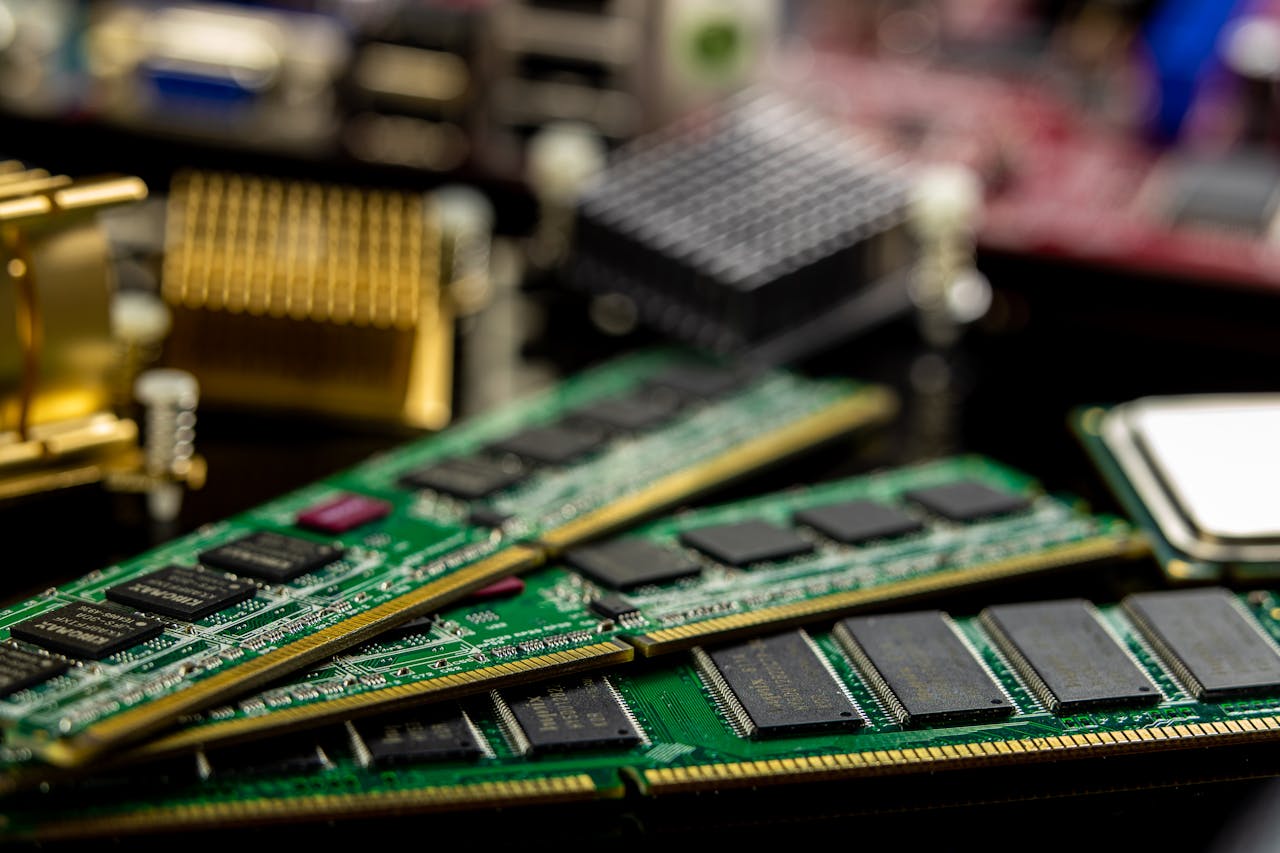
South Korea’s economy likely returned to growth in the first quarter of 2026, driven by strong semiconductor exports and stable domestic demand, according to a Reuters poll of economists. The country, Asia’s fourth-largest economy, is estimated to have expanded by 1.0% on a seasonally adjusted basis from January to March, recovering from a contraction in the previous quarter. Forecasts varied, ranging between 0.2% and 1.3%, reflecting cautious optimism among analysts.
On a year-on-year basis, South Korea’s gross domestic product (GDP) is projected to have grown 2.7%, accelerating from 1.6% in the final quarter of 2025. Economists attribute this rebound largely to the booming semiconductor sector, which continues to act as a key growth engine. Export data supports this trend, with shipments rising modestly in January and February before surging significantly in March.
Semiconductor exports soared by 151.4% year-on-year to reach a record $32.83 billion, accounting for nearly 40% of total monthly exports. This surge was fueled by rising memory chip prices and increasing global demand for servers linked to artificial intelligence (AI) investments. Analysts also noted that private consumption and investment indicators point to solid economic performance during the quarter.
Despite the positive outlook, risks remain. Economists warn that escalating geopolitical tensions in the Middle East, particularly the U.S.-Israeli conflict with Iran, could disrupt global energy markets and impact South Korea’s economy. The country relies heavily on oil imports, with around 70% sourced from the Gulf region, making it vulnerable to supply shocks and rising energy prices.
While the immediate impact is expected to be limited to the second quarter, higher energy costs could weigh on economic growth and increase inflation pressures throughout the year. However, supportive fiscal policies are expected to help cushion the economy against these external risks.
Overall, economists forecast South Korea’s GDP growth to average around 2.0% in 2026, slightly above the International Monetary Fund’s (IMF) projection of 1.9%. Inflation is also expected to rise to 2.4%, reflecting ongoing global uncertainties and energy market volatility.







