


 Apple Challenges India Antitrust Probe, Says CCI Copied Rivals’ Claims in App Store Case
  Baige Online Shares Soar 333% in Hong Kong IPO Debut as AI Insurance Demand Lifts Chinese Listings
  UBS Raises TSMC Price Target to T$3,400 on Strong AI Chip Demand Outlook
  Trump Questions Housing Bill as He Prioritizes SAVE America Act
  Dollar Slips Ahead of Key U.S. Jobs Data as Fed Rate Outlook, ECB, and Iran Talks Shape Forex Markets
  US Supreme Court Strikes Down Hawaii Gun Carry Law on Private Property
  Trump Orders DOJ Investigation Into Exxon, Chevron Over High Gas Prices
  US Egg Producers Settle Price Manipulation Probe, Agree to Pay $3.3 Million and Donate 53 Million Eggs
  NHTSA Investigates Fatal Tesla Model 3 Crash in Texas Amid Ongoing Autopilot and FSD Safety Scrutiny
  Despite its best efforts, Iran won’t be able to toll the Strait of Hormuz. Here’s why
  Trump Signs Memorandum Backing Americans’ Right to Repair Their Own Vehicles
  Trump Administration Delays DeepSeek and CXMT Trade Blacklist Designations Amid U.S.-China Tensions
  Lenovo Shares Slide as AI-Driven Memory Demand Signals Higher DRAM and NAND Prices
  Asian Currencies Stay Range-Bound as Investors Eye China Data, RBNZ Outlook and U.S.-Iran Ceasefire
  Global Financial Firms Shift Asia Expansion Focus to South Korea as China, India Face Caution
  Japan Targets 1%+ Real Economic Growth With ¥370 Trillion Investment Plan
  Economic pessimism has set in – but there are reasons for Australians to be hopeful


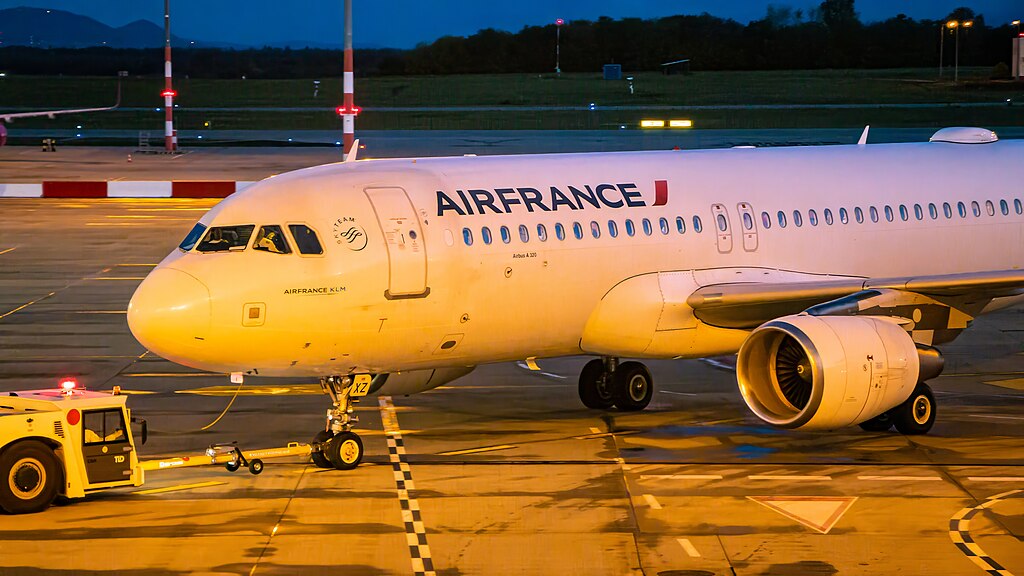
Disruptions to global oil supplies linked to the Iran conflict are driving a sharp increase in jet fuel prices, adding significant costs to air travel across Europe. According to analysis from campaign group Transport & Environment (T&E), long-haul flights departing Europe are now seeing an average fuel cost increase of €88 (about $104) per passenger, while short-haul flights within Europe have risen by around €29 per traveler.
The data compares fuel prices recorded on April 16 with those before the escalation of tensions on February 28 involving the United States, Israel, and Iran. The surge in oil prices has pushed jet fuel above $100 per barrel, creating mounting pressure on airlines already preparing for a busy spring and summer travel season.
Specific routes highlight the growing impact. A flight from Barcelona to Berlin now incurs approximately €26 more in fuel costs per passenger, while a transatlantic journey from Paris to New York has increased by about €129 per traveler. These rising operational expenses are expected to translate into higher ticket prices as airlines seek to maintain profitability.
Major European carriers, including Lufthansa, Ryanair, and Air France-KLM, have indicated they may pass these increased fuel costs onto consumers, particularly if disruptions in critical oil transit routes like the Strait of Hormuz persist. Concerns are also growing over potential fuel shortages, which could lead to flight delays or cancellations.
T&E emphasized that the financial burden from volatile fuel prices is significantly higher than the cost of complying with European Union climate regulations. The group argues that reliance on imported fossil fuels remains a major vulnerability for the aviation sector.
In response, the European Union is preparing guidelines to manage limited jet fuel supplies while accelerating efforts toward energy independence. This includes increased investment in sustainable aviation fuel (SAF) and green energy alternatives. Despite this, airlines continue to lobby for adjustments to EU climate policies, including mandates for synthetic fuel usage and carbon pricing rules, citing rising operational challenges.







