


 Economic pessimism has set in – but there are reasons for Australians to be hopeful
  Should I take zinc or eat oysters to ward off colds, boost my immune system or improve fertility?
  Asian Stocks Slip as US-Iran Ceasefire Hopes Lift Oil, Dollar Strength Persists
  World Bank Approves $1.1 Billion Emergency Funding for Bangladesh Amid Food and Energy Price Pressures
  Morgan Stanley Sees Chinese Auto Market Recovery Gaining Momentum in Late Summer
  Trump Questions Housing Bill as He Prioritizes SAVE America Act
  With Iran and the US signing a peace deal, where does that leave Benjamin Netanyahu?
  China Factory PMI Seen Returning to Growth in June as AI Export Demand Supports Economy
  Silver Cracks Key 365-Day EMA for First Time Since Feb 2024; Bears Eye $50 on Rallies
  Sell the Bounce": Gold Rally Stalls Near $4165 as Fed Hawks Slam the Door on Rate Cuts — Targets $4000/$3600
  Trump Suspends Some Morocco Fertilizer Tariffs to Ease U.S. Supply Shortage
  Oil Prices Slip as U.S.-Iran Peace Talks and Strait of Hormuz Risks Keep Markets on Edge


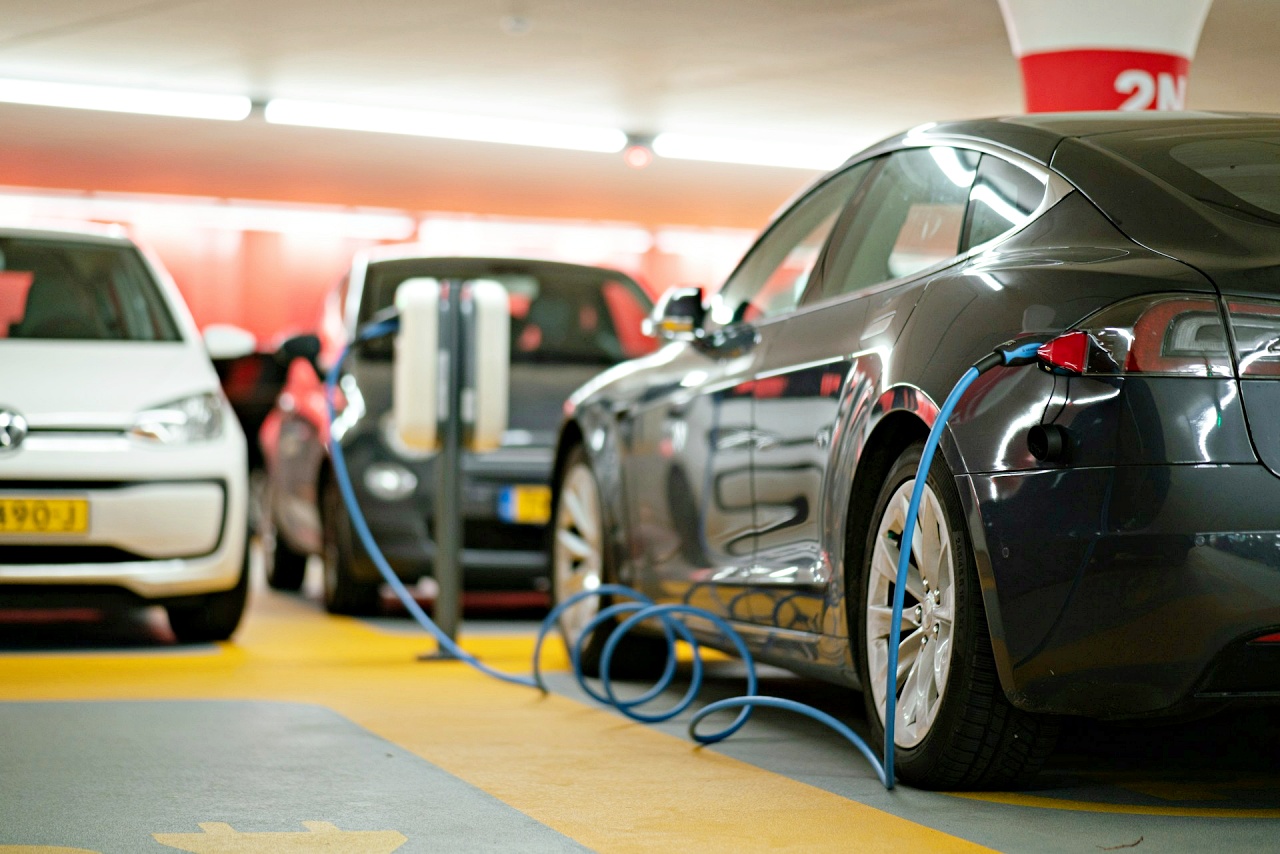
Morgan Stanley is urging caution among investors who believe that surging oil prices will automatically trigger a rapid recovery for South Korean battery manufacturers. While recent headlines have painted an optimistic picture around electric vehicle demand growth, the investment bank's latest research note suggests the reality on the ground is far more nuanced.
Analysts acknowledge that consumer interest in EVs has picked up in certain markets, and some regional sales figures have shown encouraging trends. However, they argue this momentum is unlikely to translate into a meaningful or sustained increase in battery shipments for major Korean producers anytime soon. Historically, oil price shocks lasting six months or longer have nudged consumers toward fuel-efficient alternatives, but current conditions do not clearly mirror that pattern.
One key obstacle remains the persistent price gap between battery electric vehicles and conventional cars. Even when high fuel costs improve the cost appeal of EVs on paper, the upfront purchase premium continues to deter budget-conscious buyers from making the switch. This structural barrier limits how quickly rising oil prices can actually drive mass EV adoption.
Adding further complexity, a recent ceasefire announcement triggered a 13–14% drop in oil prices, which has already cooled investor enthusiasm around the oil-to-EV demand narrative. Morgan Stanley flags this as a reminder of how quickly sentiment can shift independently of underlying industrial trends.
South Korean battery companies remain strong long-term beneficiaries of the global clean energy transition. However, the bank cautions that stock performance may diverge from actual factory output until more definitive demand signals emerge. For investors, the takeaway is clear: distinguishing between sentiment-driven market rallies and real shipment growth will be critical to making informed decisions in the EV supply chain space.







