


 Oil Prices Rise as US-Iran Tensions Threaten Strait of Hormuz Oil Shipments
  Asian Stocks Slip as US-Iran Ceasefire Hopes Lift Oil, Dollar Strength Persists
  World Bank Approves $1.1 Billion Emergency Funding for Bangladesh Amid Food and Energy Price Pressures
  Gold Prices Drop as Fed Rate Outlook and Iran Tensions Weigh on Market
  Asian Currencies Stay Range-Bound as Investors Eye China Data, RBNZ Outlook and U.S.-Iran Ceasefire
  Trump Threatens 100% Tariffs on Countries Imposing Digital Services Taxes on U.S. Tech Firms
  US Stock Futures Rise as US-Iran Ceasefire Hopes Boost Market Sentiment
  Canada Grants C$7 Million to Greenland Molybdenum Mine to Strengthen Critical Minerals Supply
  China Sets 1.25% Overnight Reverse Repo Rate Below Market Expectations
  Yen Falls to 40-Year Low as Markets Watch Japan Intervention and U.S. Jobs Report
  Gold Price Ends Lower for Fourth Week Despite Rebound as Fed Rate Hike Bets Strengthen
  China Manufacturing PMI Edges Higher in June as Exports and AI Investment Boost Growth
  Oil Prices Slip as U.S.-Iran Peace Talks and Strait of Hormuz Risks Keep Markets on Edge
  Asian Stocks End Strong Quarter as Dollar Surges, Yen Hits 40-Year Low Ahead of US Jobs Data
  Central Banks Eye Gold, Reduce Dollar Exposure as AI Adoption Accelerates: OMFIF Survey
  Trump Suspends Some Morocco Fertilizer Tariffs to Ease U.S. Supply Shortage
  Dollar Slips Ahead of Key U.S. Jobs Data as Fed Rate Outlook, ECB, and Iran Talks Shape Forex Markets


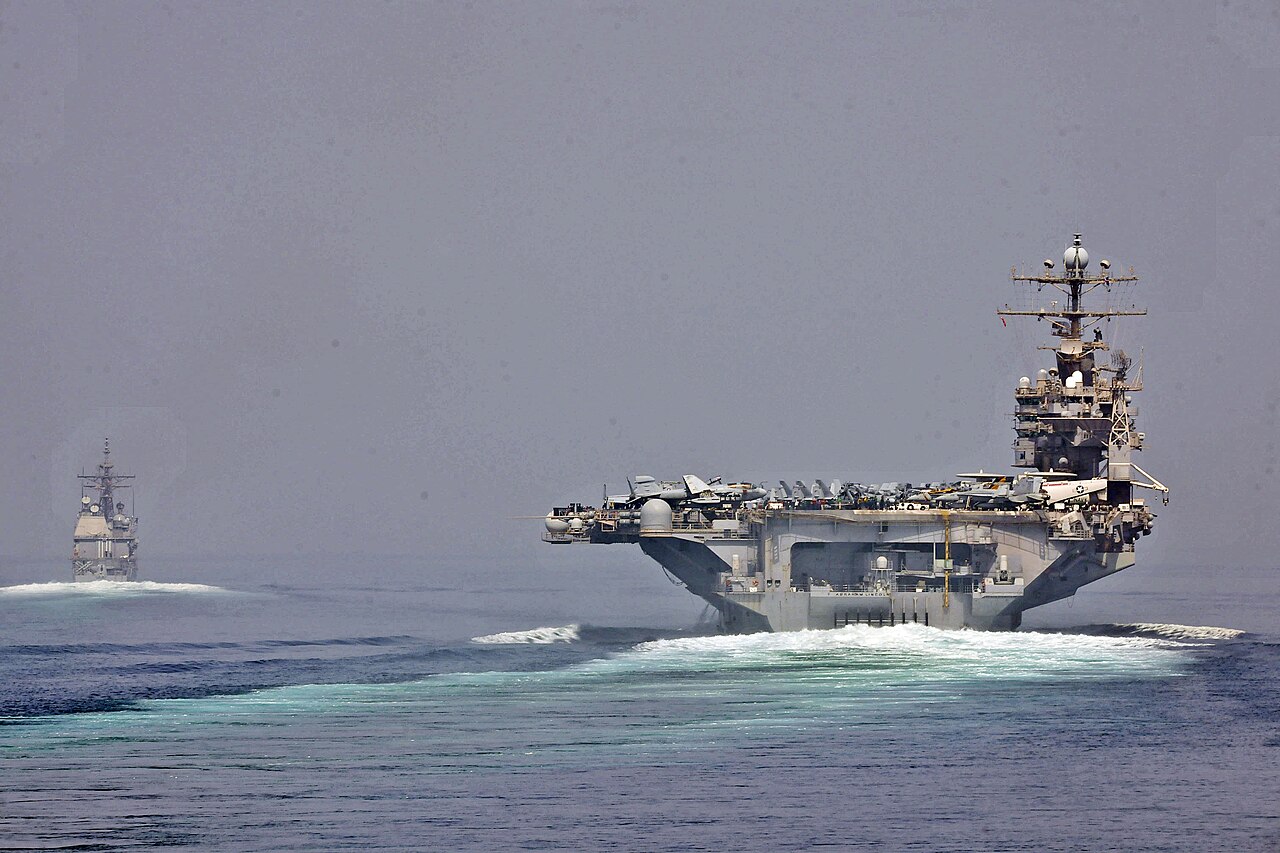
Oil prices climbed sharply on Monday while global stock futures dipped, as escalating geopolitical tensions in the Middle East disrupted shipping activity in the Strait of Hormuz, a critical global energy chokepoint. Brent crude surged approximately 6% to $95.36 per barrel, reflecting investor concerns over potential supply constraints and rising inflation risks tied to oil shortages.
Despite the spike in oil prices, Asian stock markets showed resilience. Major indices such as Japan’s Nikkei, South Korea’s KOSPI, and Hong Kong’s Hang Seng all posted gains, with Taiwan’s stock market reaching a record high. This divergence highlights a cautious optimism among investors who are betting on a potential diplomatic resolution to the ongoing conflict involving Iran and the United States.
The situation intensified after Iran reinforced its de facto restrictions on the Strait of Hormuz, although shipping data indicated that over 20 vessels successfully passed through the passage over the weekend—the highest traffic since early March. The uncertainty surrounding the ceasefire, which is set to expire soon, has added to market volatility, especially after the U.S. seized an Iranian cargo ship and Tehran threatened retaliation.
Market analysts suggest that while headlines signal escalation, there remains a strong possibility of renewed negotiations. Investors appear to be weighing geopolitical risks against expectations of continued economic strength, particularly with upcoming corporate earnings reports in the United States.
Meanwhile, financial markets reflected mixed sentiment. S&P 500 futures fell by 0.6%, while European futures dropped 1.2%. Bond yields edged higher, and the U.S. dollar stabilized after recent weakness. In Australia, National Australia Bank warned of rising credit risks due to the conflict, announcing a potential $500 million impairment, which pushed its shares lower.
With key economic indicators such as U.S. retail sales, UK inflation, and European PMI data due this week, market participants are closely monitoring developments in the Gulf. The number of ships passing through the Strait of Hormuz has become a critical indicator of geopolitical stability and its impact on global oil supply and inflation trends.







