


 Central Banks Eye Gold, Reduce Dollar Exposure as AI Adoption Accelerates: OMFIF Survey
  US Stock Futures Steady as Investors Await Payrolls Data and Monitor Iran Tensions
  RBA Minutes Signal Australia Central Bank Remains Ready to Raise Interest Rates if Inflation Persists
  Gold Prices Drop as Fed Rate Outlook and Iran Tensions Weigh on Market
  Gold Price Falls as Fed Rate Hike Fears and U.S.-Iran Tensions Weigh on Bullion
  World Bank Approves $1.1 Billion Emergency Funding for Bangladesh Amid Food and Energy Price Pressures
  Canada Grants C$7 Million to Greenland Molybdenum Mine to Strengthen Critical Minerals Supply
  Trump Threatens 100% Tariffs on Countries Imposing Digital Services Taxes on U.S. Tech Firms
  Global Financial Firms Shift Asia Expansion Focus to South Korea as China, India Face Caution
  Trump Urges Gasoline Retailers to Cut Prices to $2.50 Per Gallon, Warns of Legal Action
  Yen Falls to 40-Year Low as Markets Watch Japan Intervention and U.S. Jobs Report
  Japan Targets 1%+ Real Economic Growth With ¥370 Trillion Investment Plan
  China Factory PMI Seen Returning to Growth in June as AI Export Demand Supports Economy
  Asian Currencies Stay Range-Bound as Investors Eye China Data, RBNZ Outlook and U.S.-Iran Ceasefire
  Trump Suspends Some Morocco Fertilizer Tariffs to Ease U.S. Supply Shortage
  China Sets 1.25% Overnight Reverse Repo Rate Below Market Expectations
  Gold Price Ends Lower for Fourth Week Despite Rebound as Fed Rate Hike Bets Strengthen


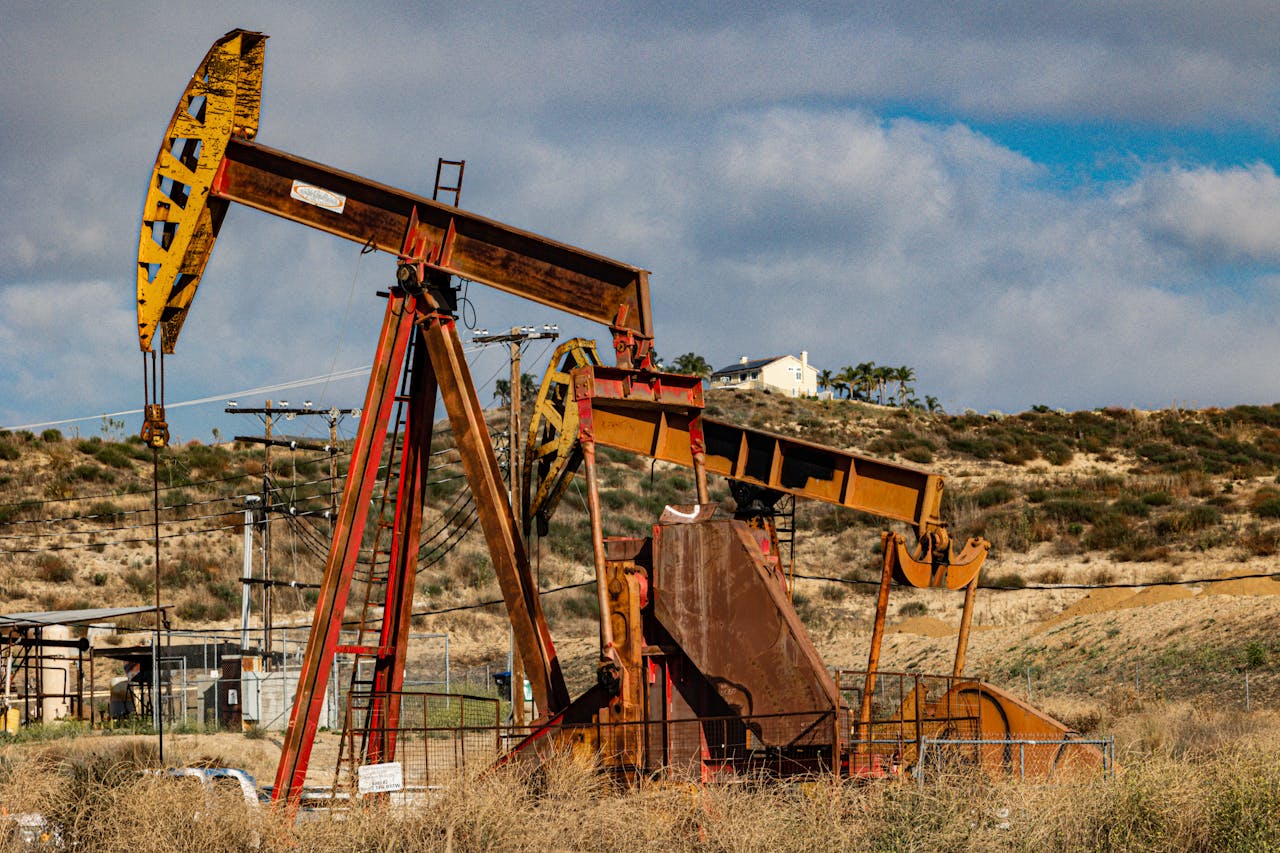
Oil prices edged lower in early Asian trading on Tuesday as investors assessed conflicting signals surrounding potential U.S.-Iran negotiations ahead of a looming ceasefire deadline. The market remains highly sensitive to geopolitical developments, particularly those affecting global oil supply routes such as the Strait of Hormuz.
Brent crude futures declined by 0.7% to $94.70 per barrel, while West Texas Intermediate (WTI) crude dropped 1.3% to $86.32 per barrel. The pullback follows a strong rebound in the previous session, when oil prices surged after escalating tensions between the United States and Iran reignited supply concerns.
The recent spike came after Iran reportedly seized a vessel and responded to rising pressure by shutting down the Strait of Hormuz once again. This critical chokepoint handles a significant portion of global oil shipments, making any disruption a key driver of crude oil price volatility.
U.S. President Donald Trump stated that a naval blockade on Iran will remain in effect until a formal peace agreement is reached. While Washington signaled that new diplomatic talks could take place this week, potentially in Pakistan, Iran has publicly rejected negotiations conducted under pressure. Iranian Parliament Speaker Mohammad Bagher Ghalibaf emphasized that Tehran would not engage in talks “under the shadow of threats.”
Despite the strong rhetoric, reports suggest Iran may still participate in indirect discussions through regional mediators. According to sources cited by The Wall Street Journal, a delegation could be sent to Pakistan within days, raising hopes for a possible diplomatic breakthrough.
However, uncertainty remains high as the ceasefire between the two nations is set to expire on Wednesday. Traders are closely monitoring developments, as any escalation or resolution could significantly impact global oil markets, energy prices, and investor sentiment in the days ahead.







