


 China Manufacturing PMI Edges Higher in June as Exports and AI Investment Boost Growth
  Asian Stocks Slip as US-Iran Ceasefire Hopes Lift Oil, Dollar Strength Persists
  Gold Price Hits Annual Low as Fed Rate Hike Bets and Sticky Inflation Weigh on Bullion
  Canada Grants C$7 Million to Greenland Molybdenum Mine to Strengthen Critical Minerals Supply
  Israeli Airstrike Kills Three in Central Gaza Despite Ceasefire
  Ukraine Strikes Russian Titan-Barrikady Plant With Long-Range FP-5 Flamingo Missile
  US Stock Futures Rise as US-Iran Ceasefire Hopes Boost Market Sentiment
  Asian Currencies Stay Range-Bound as Investors Eye China Data, RBNZ Outlook and U.S.-Iran Ceasefire
  US Dollar Slips After PCE Inflation Data as Fed Rate Hike Expectations Stay Elevated
  Trump Threatens 100% Tariffs on Countries Imposing Digital Services Taxes on U.S. Tech Firms
  Argentina Economy Shrinks 1.5% in April, Recovery Under Milei Loses Momentum
  US Strikes Iran Again After Strait of Hormuz Tanker Attack Escalates Ceasefire Tensions
  Asian Stocks End Strong Quarter as Dollar Surges, Yen Hits 40-Year Low Ahead of US Jobs Data
  Japan Targets 1%+ Real Economic Growth With ¥370 Trillion Investment Plan
  Russian Attacks on Dnipro, Zaporizhzhia, and Kharkiv Kill 10 as Ukraine Vows Response
  Trump Signs Memorandum Backing Americans’ Right to Repair Their Own Vehicles
  Taiwan Coast Guard Officer Finds Strength in Faith as China Increases Pressure in Taiwan Strait


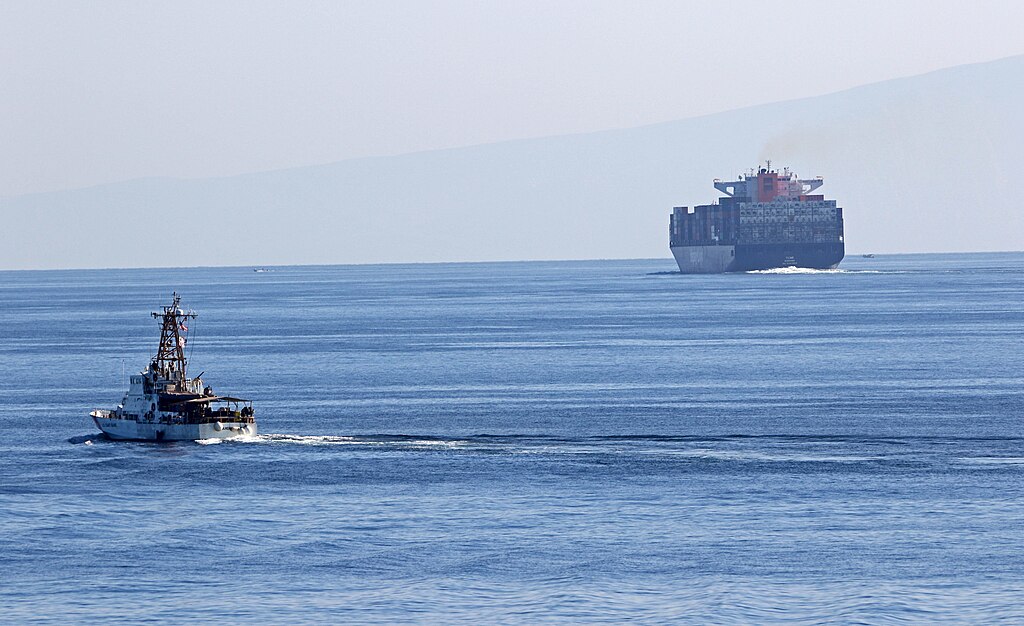
Hopes for a restoration of normal energy shipping through the Strait of Hormuz collapsed within hours on Saturday after Iran reimposed tight restrictions on the vital maritime corridor, just a day after declaring it open. The rapid reversal has sent fresh shockwaves through global energy markets already strained by months of conflict.
The strait, a narrow waterway responsible for roughly one-fifth of the world's liquefied natural gas (LNG) supply, briefly saw tanker traffic resume following a Friday statement by Iranian Foreign Minister Abbas Araghchi, who announced the passage was "completely open" in accordance with a Lebanon ceasefire agreement. Dozens of commercial vessels attempted to cross, but the window slammed shut almost as fast as it opened.
The turning point came when U.S. President Donald Trump confirmed that American naval forces would maintain their blockade of Iranian ports regardless of the diplomatic developments. Iran's response was swift and forceful — gunboats intercepted and fired on multiple commercial vessels, including a container ship and a tanker, without issuing radio warnings. Iranian officials declared that Washington's continued blockade constituted a ceasefire violation, effectively nullifying the temporary opening.
The fallout has been immediate. Several LNG tankers that had already loaded cargo in Qatar were forced to turn back or hold their positions in the Persian Gulf, stalling what would have been the first major energy transit since fighting escalated in late February. Emerging Asian economies that depend heavily on Gulf energy imports are bearing the brunt of the resulting supply disruptions.
Market analysts caution that the contradictory signals from both governments are deepening uncertainty in an already fragile energy landscape. With maritime insurers keeping the strait under a "high-risk" designation due to ongoing threats from mines, gunfire, and seizure, global fuel supply chains remain in a precarious and unresolved state.







