


 US Strikes Iran Again After Strait of Hormuz Tanker Attack Escalates Ceasefire Tensions
  Russian Attacks Kill Four in Ukraine as Zaporizhzhia and Kharkiv Come Under Fire
  Sheinbaum Says No One Is Above the Law After Abuse Video of Ex-Pemex Chief Emerges
  Russia Intensifies Assault on Kostiantynivka as Ukraine’s Donetsk Defense Faces Mounting Pressure
  Despite its best efforts, Iran won’t be able to toll the Strait of Hormuz. Here’s why
  Serbia President Aleksandar Vucic to Resign, Calls Early Elections After Months of Protests
  Trump Announces September Overhaul of Washington’s East Potomac Golf Links
  Trump Threatens 100% Tariffs on Countries Imposing Digital Services Taxes on U.S. Tech Firms
  Russian Attacks on Dnipro, Zaporizhzhia, and Kharkiv Kill 10 as Ukraine Vows Response
  Israeli Airstrike Kills Three in Central Gaza Despite Ceasefire
  Supreme Court Backs Lisa Cook, Defends Federal Reserve Independence Against Trump Firing Attempt
  Australia, Vanuatu Sign Security Pact Amid Pacific Influence Competition
  Trump Urges Gasoline Retailers to Cut Prices to $2.50 Per Gallon, Warns of Legal Action
  Trump Suspends Some Morocco Fertilizer Tariffs to Ease U.S. Supply Shortage
  China Expands Export Controls, Adds 20 Japanese Companies to Restricted List
  Javier Milei Cabinet Chief Manuel Adorni Resigns Amid Spending Scandal Investigation


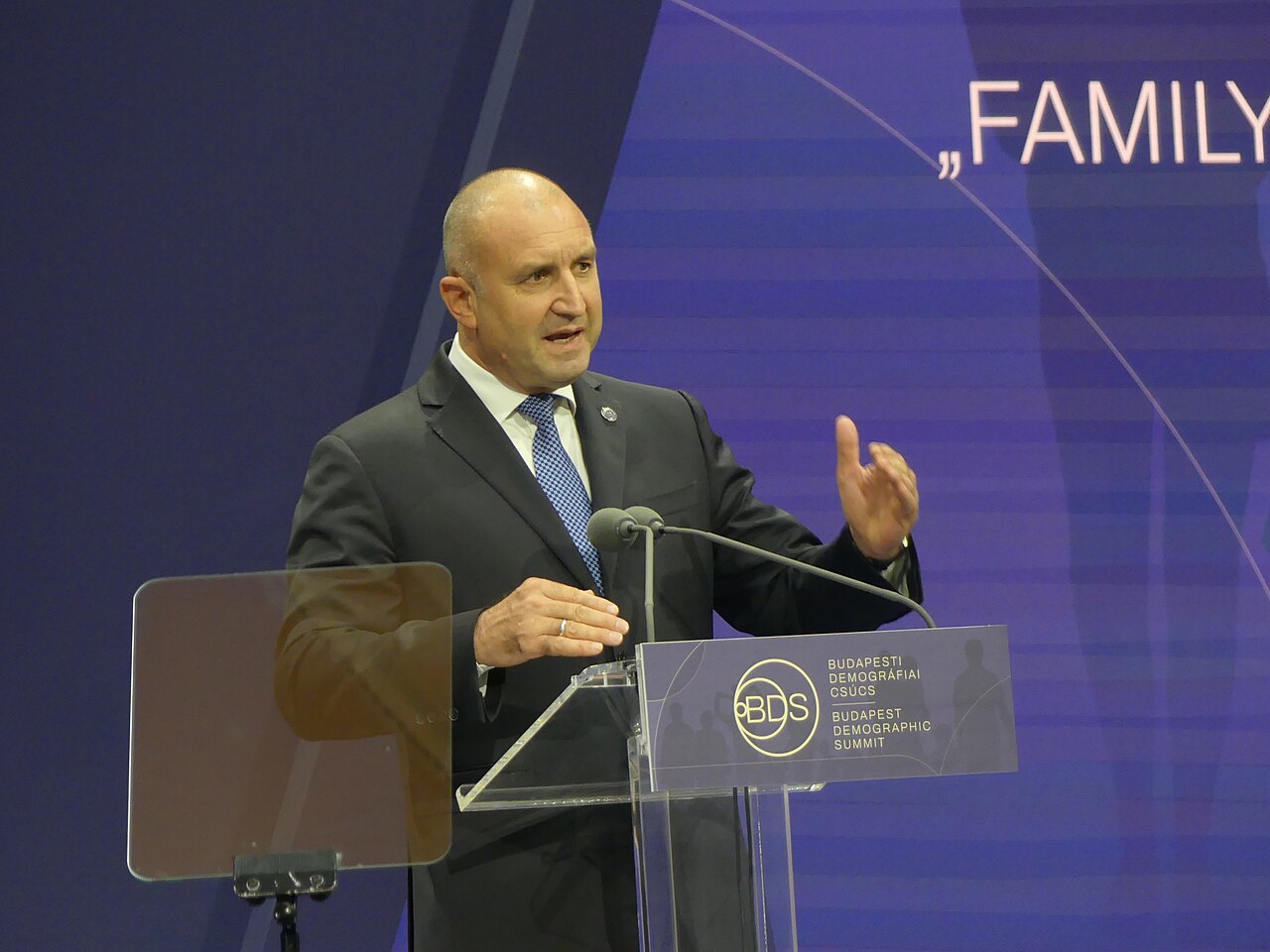
Rumen Radev has secured a decisive victory in Bulgaria’s parliamentary election, marking a major shift in the country’s political landscape and raising questions about its future relationship with the European Union and Russia. Official results show Radev’s Progressive Bulgaria party capturing 44.7% of the vote with nearly all ballots counted, far surpassing expectations and outperforming long-established political rivals.
This landslide win positions Radev to potentially form a government on his own, although he has not ruled out forming a coalition with pro-European factions or smaller parties. His closest competitors lagged far behind, with the We Continue the Change–Democratic Bulgaria (PP-DB) alliance receiving 12.8% and the GERB party, led by former Prime Minister Boyko Borissov, securing 13.4%.
A former president and ex-fighter pilot, Radev entered the parliamentary race after stepping down from his largely ceremonial role earlier this year. His campaign gained momentum amid widespread public frustration over corruption, economic challenges, and political instability, which had led to eight elections in just five years.
Radev’s stance on foreign policy has drawn significant attention. Known for his eurosceptic views and opposition to military aid for Ukraine, he has advocated for more pragmatic relations with Moscow, including restoring Russian energy supplies. Despite this, he has indicated Bulgaria will remain committed to its European path, easing concerns about drastic geopolitical shifts.
The election result has been acknowledged by both EU officials and Russia. European Council President Antonio Costa expressed willingness to collaborate, while the Kremlin welcomed Radev’s openness to dialogue.
Domestically, Bulgaria continues to face pressing issues, including rising living costs following euro adoption and a declining population. While the economy has improved in some areas, analysts note a lack of clear policy direction from Radev’s camp on addressing these challenges.
This election could bring temporary stability to Bulgaria, but its long-term political and economic direction remains uncertain.







