


 Yen Falls to 40-Year Low as Markets Watch Japan Intervention and U.S. Jobs Report
  Trump Questions Housing Bill as He Prioritizes SAVE America Act
  US Stock Futures Steady as Investors Await Payrolls Data and Monitor Iran Tensions
  Gold Price Hits Annual Low as Fed Rate Hike Bets and Sticky Inflation Weigh on Bullion
  World Bank Approves $1.1 Billion Emergency Funding for Bangladesh Amid Food and Energy Price Pressures
  Gold Price Ends Lower for Fourth Week Despite Rebound as Fed Rate Hike Bets Strengthen
  Oil Prices Rise as US-Iran Tensions Threaten Strait of Hormuz Oil Shipments
  US Dollar Slips After PCE Inflation Data as Fed Rate Hike Expectations Stay Elevated
  Argentina Economy Shrinks 1.5% in April, Recovery Under Milei Loses Momentum
  Asian Currencies Stay Range-Bound as Investors Eye China Data, RBNZ Outlook and U.S.-Iran Ceasefire
  Asian Stocks Slip as US-Iran Ceasefire Hopes Lift Oil, Dollar Strength Persists
  Asian Stocks End Strong Quarter as Dollar Surges, Yen Hits 40-Year Low Ahead of US Jobs Data
  Trump Suspends Some Morocco Fertilizer Tariffs to Ease U.S. Supply Shortage
  Trump Threatens 100% Tariffs on Countries Imposing Digital Services Taxes on U.S. Tech Firms
  Central Banks Eye Gold, Reduce Dollar Exposure as AI Adoption Accelerates: OMFIF Survey
  China Expands Export Controls, Adds 20 Japanese Companies to Restricted List


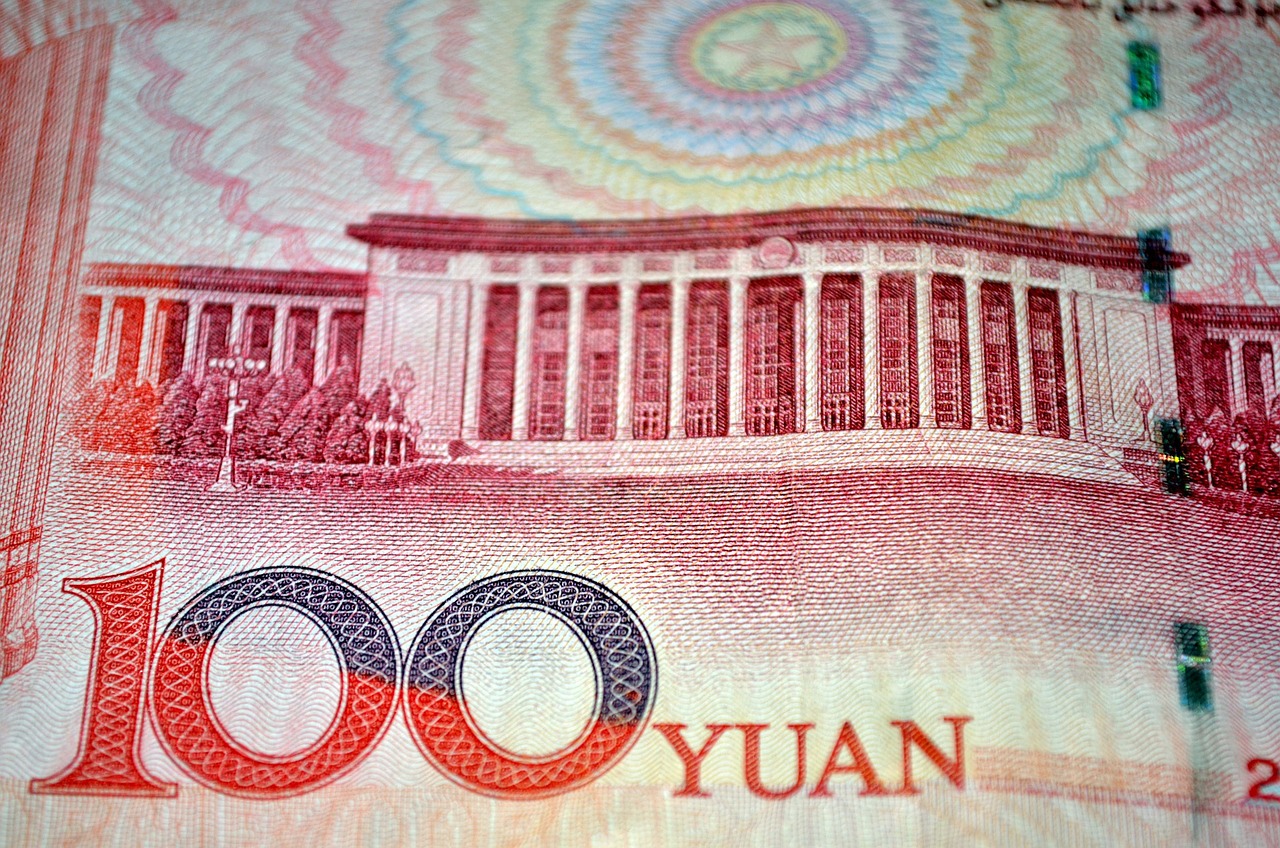
Asian currencies weakened on Monday while the U.S. dollar rebounded, supported by renewed safe-haven demand as geopolitical tensions between the United States and Iran escalated over the weekend. Investor sentiment remained cautious ahead of a fragile ceasefire set to expire this week, with markets closely watching developments in the ongoing conflict.
The dollar index and its futures climbed 0.2% during Asian trading hours, recovering after two consecutive weeks of losses. Demand for the greenback strengthened after reports that U.S. forces had intercepted and captured an Iranian vessel attempting to breach a naval blockade. Iran strongly condemned the action, accusing Washington of violating the ceasefire agreement. In response, Tehran once again closed the Strait of Hormuz, a critical global oil shipping route, adding further uncertainty to financial markets.
Despite the tensions, losses in Asian foreign exchange markets were relatively limited. Investors are increasingly betting that the U.S. may avoid aggressive escalation, based on previous patterns seen under President Donald Trump during the conflict. Still, uncertainty remains high, especially as the ceasefire deadline approaches and diplomatic signals from both sides remain mixed. While Trump indicated that further talks with Iran could take place in Pakistan, Iranian officials have not confirmed any participation.
Market participants are also awaiting key economic data, including upcoming U.S. retail sales figures, which could provide further direction for the dollar and broader currency markets. In Asia, economic indicators are also in focus, contributing to subdued trading activity.
The Chinese yuan remained stable after the People’s Bank of China held its benchmark loan prime rate steady at historic lows. Meanwhile, the Japanese yen, Australian dollar, South Korean won, Singapore dollar, and Indian rupee all posted modest declines against the dollar, reflecting cautious investor positioning amid geopolitical and economic uncertainty.







