


 Lula and Flavio Bolsonaro Tied in Brazil Runoff Poll
  Trump Administration Plans Faster FDA Reviews for Smoke-Free Nicotine Products
  Trump Board of Peace Unveils $2.45 Billion Gaza Recovery Plan
  US Officials Split Over Response to Israeli West Bank Settlements
  China Tightens Fentanyl Rules Ahead of Trump-Xi Summit
  US Invites Putin to Miami G20, Opening Door to Trump Summit
  Canada Unveils Bill to Fast-Track Major Resource Projects
  South Korea, US Discuss Warship Building Cooperation
  Taiwan Vows to Advance US Arms Sales Ahead of Trump-Xi Meeting
  Trump Says U.S.-Iran Peace Deal Near After UN Talks
  Kremlin Says No Grounds Yet for Ukraine Peace Talks
  Burnham Eyes UK Leadership Role in AI Ahead of Trump Meeting
  Russian Strikes Kill Eight Across Ukraine as Energy Sites Hit
  Vietnam, US Trade Deal Could Be Signed Soon, To Lam Says
  Venezuela Promises Elections as Delcy Rodriguez Pledges Democratic Transition
  Zelenskiy Warns Russia Preparing Major Attack on Ukraine
  Gaza Faces Evacuation Crisis as War-Damaged Buildings Risk Collapse


 Add as a preferred source on Google
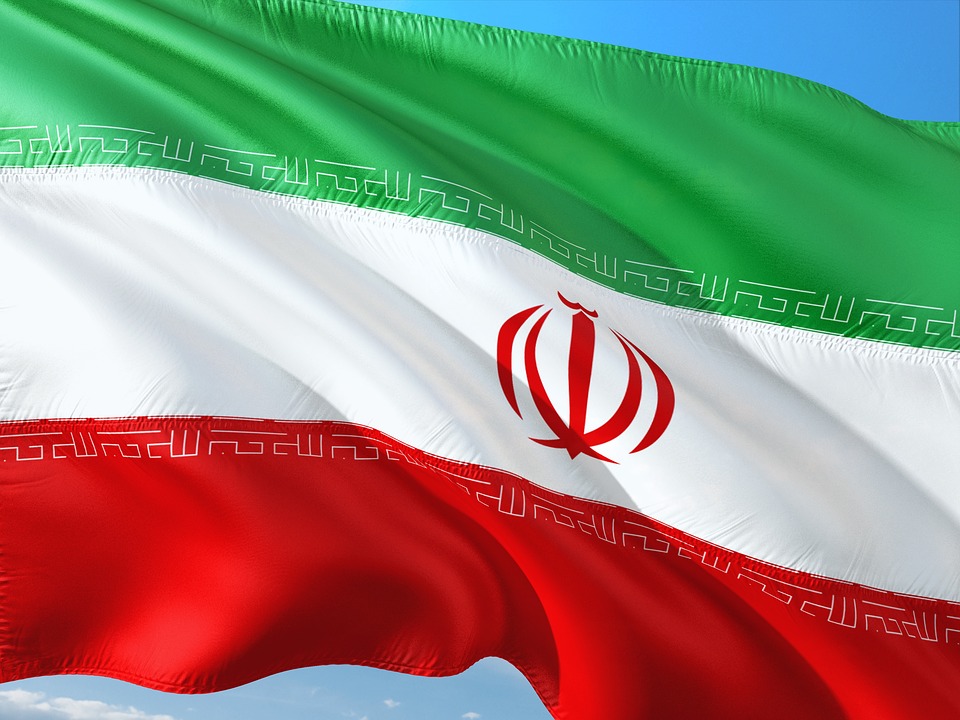
As Iran seeks to improve or strengthen ties with its neighboring countries, its nuclear program is a point of concern for several. Tehran responded to the UAE’s concerns regarding its nuclear program, saying that Iran is making improving ties with its neighbors a priority.
Reuters reports Iran responded to UAE’s concerns Saturday, saying that improving relations with neighboring countries is a priority for Tehran.
This comes as the UAE representative at the UN nuclear watchdog IAEA said Friday that he hoped Iran would work with the agency to give an assurance to the international community and the region about its nuclear program.
Iranian state media reported the phone conversation between Iranian foreign minister Hossein Amirabdollahian and his UAE counterpart, where Amirabdollahian “pointed to the priority of neighbors in Iran’s foreign policy and called for more consultation…to expand bilateral ties.”
The UAE, which is allied with the US, began to re-engage with Iran after years of tensions.
Iran and the US have been engaging in indirect negotiations to restore the nuclear deal that was established in 2015. Negotiations were put on hold since March following Russia’s invasion of Ukraine, and Tehran has recently restricted the IAEA’s ability to monitor its nuclear program after a dispute with the agency.
Iran has also maintained that it intends to develop its nuclear program for peaceful purposes.
Iran has also blamed the US for the stalled negotiations to restore the deal. Tehran said Monday that it is prepared to reach an agreement with world powers, according to its foreign ministry spokesperson Saeed Khatibzadeh during a televised news conference.
“Even today we are ready to return to Vienna to reach a good deal if Washington fulfills its commitments,” said Khatibzadeh.
Another reason for the stalled negotiations was also whether the US would remove Iran’s Islamic Revolutionary Guard Corps from its foreign terrorist organization designation list.
Last week, Washington said it is waiting for a “constructive response” from Tehran on reinstating the nuclear deal without “extraneous” issues, in a possible reference to the demand for the IRGC to be removed from its FTO list.
Iran started breaching the terms of the nuclear deal when the US, under Donald Trump, withdrew from the deal in 2018.







