


 BOJ June Rate Hike Likely as Inflation Risks Rise Amid Middle East Tensions
  South Korea’s KOSPI Jumps Over 5% as Samsung, SK Hynix Rally on Micron Earnings Boost
  BOJ Signals More Rate Hikes as Inflation Risks Rise Amid Energy Price Pressures
  Oil Prices Rebound as Strait of Hormuz Tensions Return After Ship Attack Near Oman
  Bank Regulation Rollbacks in the U.S. and UK Could Increase Financial Risks, Study Warns
  Morgan Stanley Sees Chinese Auto Market Recovery Gaining Momentum in Late Summer
  Australia Jobs Growth Strengthens Rate Hike Outlook
  S&P Affirms Brazil’s BB Credit Rating with Stable Outlook Amid Fiscal Challenges
  Taiwan Central Bank Likely to Keep Interest Rates Unchanged Through 2027
  Gold Drops Below $4,000 as Strong US Dollar and Fed Rate Hike Expectations Pressure Bullion
  SpaceX Eyes Starlink Mobile Phone Service to Challenge Verizon, AT&T, and T-Mobile
  Gold Surges Above Key EMAs, Bulls Eye Resistance Amidst Bullish Momentum
  With Iran and the US signing a peace deal, where does that leave Benjamin Netanyahu?


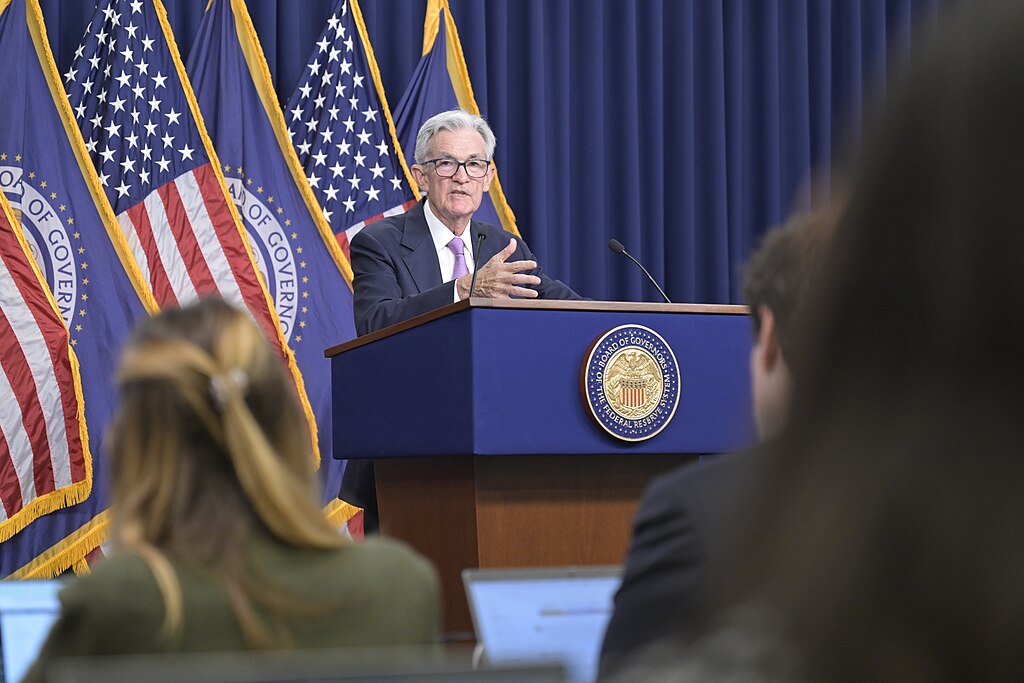
The Federal Reserve’s latest policy signals suggest that interest rates are now close to neutral, raising the bar for additional rate cuts in 2025 and beyond. This shift implies restraint rather than rescue from the central bank, pushing investors to rely more on fixed income performance unless a clear recession emerges.
At its December meeting, the Fed delivered a 25 basis point rate cut, the third cut of the year, bringing rates to a level policymakers believe neither stimulates nor restricts economic growth. Fed Chair Jerome Powell emphasized that policy now sits within a broad range of neutral estimates, adding that the central bank is “well positioned to wait and see how the economy evolves.” This language underscores a more cautious, data-dependent approach to future monetary policy decisions.
Historically, periods when rates hover near neutral demand a unified Federal Open Market Committee, as policy mistakes can have outsized consequences. Cutting too aggressively could reignite inflation, especially as many anticipate more expansionary fiscal policy under President Donald Trump. However, the latest meeting highlighted divisions within the Fed, raising doubts about policymakers’ confidence in their own outlook. While the Fed’s Summary of Economic Projections points to steady growth above 2%, a resilient labor market, and gradually easing inflation, some market participants remain skeptical about how smooth that path will be.
Markets and policymakers also diverge on expectations for future rate cuts. Investors are pricing in up to two cuts next year, while Fed officials continue to signal just one, if any. The broader message, according to investment professionals, is that investors should not expect significant additional easing without a recession or a sharper slowdown in employment and inflation.
With equity valuations stretched, particularly in AI-related stocks, fixed income is increasingly positioned to play a larger role in portfolios. Bonds may provide stability and income as the Fed pauses near neutral, though selectivity remains crucial as credit markets still appear aggressively priced. A final risk lingers: if growth accelerates and inflation rises, the Fed could be forced to pivot back toward tightening, a scenario that could catch markets off guard.







