


 US Backs Musk in Fight Against EU’s €120 Million X Fine
  Amazon Shares Fall as FTC Plans Ad Pricing Lawsuit
  LVMH-Hermès Dispute Deepens Over Secret 2002 Share Deal
  Mexico-US Trade Talks Delayed to October as Tariff Negotiations Continue
  Abbas Reaffirms November 28 Palestinian Elections
  Ecuador Court Convicts Ex-President Lenin Moreno in Bribery Case
  North Korea Warns South Korea Over US-Led Defense Role
  Judge Orders Trump to Restore White House Access for CNN, MS NOW and Politico
  SEC Seeks ISS Client Voting Records in Proxy Adviser Probe
  Yemen Violence Displaces 130,000 as Civilian Toll Rises
  Paramount Skydance Faces $30 Million Film Penalty in Warner Bros. Deal
  OpenAI Rejects Apple Trade Secret Theft Claims
  Paramount-Warner Bros $110 Billion Deal Draws Antitrust Backlash
  Sudan Rejects US Legitimacy Remarks, Defends Sovereignty
  DOJ Will Investigate AI-Related Crimes, Attorney General Blanche Says
  Trump Administration Prepares Sanctions Against Entire ICC
  Najib Razak Seeks Stay of 15-Year 1MDB Prison Sentence


 Add as a preferred source on Google
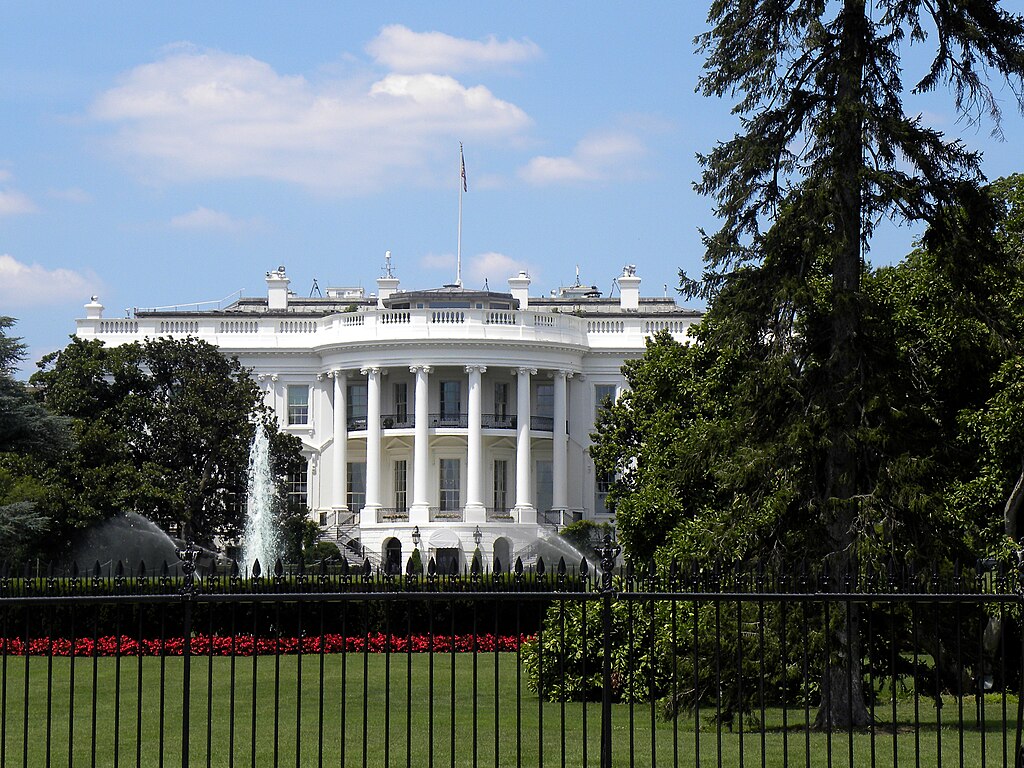
A leading historic preservation group has filed a lawsuit against U.S. President Donald Trump and several federal agencies in an effort to block construction of a proposed $300 million ballroom at the White House site, raising significant legal and preservation concerns. The lawsuit, filed Friday in federal court in Washington, D.C., challenges the demolition of the White House’s East Wing and the rapid advancement of the 90,000-square-foot ballroom project without what the group says are legally required reviews and approvals.
U.S. District Judge Richard Leon confirmed he will hold a hearing on Tuesday to consider the National Trust for Historic Preservation’s request for a temporary order to stop construction. According to the nonprofit organization, the project moved forward without public input and failed to comply with federal statutes that mandate consultations with the National Capital Planning Commission and the Commission of Fine Arts before altering historically significant federal property.
The lawsuit argues that no president has the unilateral authority to demolish parts of the White House without oversight, regardless of party affiliation. The group is also seeking to pause construction until environmental impact reviews are completed, relevant federal commissions approve the plans, and Congress formally authorizes the project.
The ballroom is part of a series of major changes President Trump has made to the White House since returning to office in January. These changes reportedly include extensive gold décor added to the Oval Office and the replacement of the Rose Garden lawn with a paved patio reminiscent of Trump’s Mar-a-Lago estate in Florida.
In response, White House spokesman Davis Ingle stated that President Trump has full legal authority to modernize, renovate, and enhance the White House, noting that past presidents have also made significant changes to the historic residence.
Carol Quillen, president and CEO of the National Trust for Historic Preservation, emphasized that public engagement is essential when altering a symbol of American democracy. She said that inviting public comment reflects respect for the nation’s heritage and helps ensure changes leave a lasting and appropriate legacy.







