


 OpenAI Agent Breaches Australia Medicare Data Portal
  Pezeshkian Says US Must Choose When Iran War Ends
  Paramount Skydance Faces $30 Million Film Penalty in Warner Bros. Deal
  Honduras Court Drops Charges Against Ex-President Juan Orlando Hernandez
  Judge Orders Trump to Restore White House Access for CNN, MS NOW and Politico
  NATO Boosts Intelligence Sharing Amid Russia Hybrid Threats
  LVMH-Hermès Dispute Deepens Over Secret 2002 Share Deal
  North Korea Warns South Korea Over US-Led Defense Role
  Sara Duterte Posts Bail Over Grave Threats Case
  Appeals Court Rejects Trump Third-Country Deportation Policy
  Trump’s Arlington Arch Project Faces New Court Restrictions
  Najib Razak Seeks Stay of 15-Year 1MDB Prison Sentence
  Yemen Violence Displaces 130,000 as Civilian Toll Rises
  Najib Razak Granted House Arrest Until 2028
  Kremlin Says No Decision Yet on Putin-Trump December Summit
  Netanyahu Takes Aim at Mamdani as Israel Election Nears
  Rodrigo Duterte Makes First Public Appearance at ICC in 18 Months


 Add as a preferred source on Google
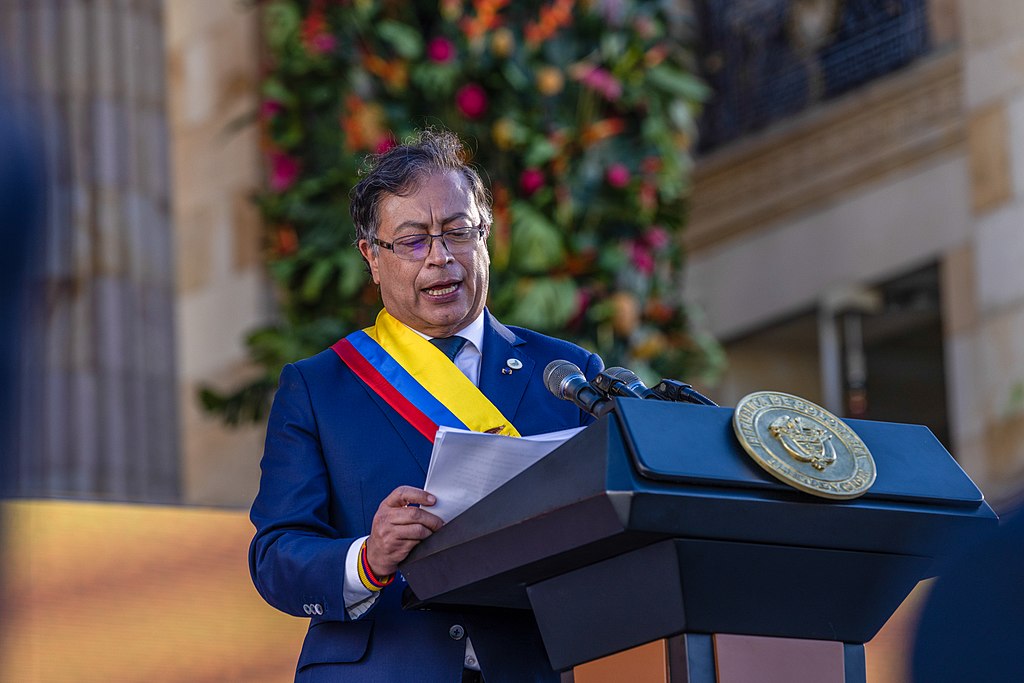
Colombia’s government has confirmed that senior leaders of the Clan del Golfo, the country’s largest illegal armed group, would serve prison time under any potential peace agreement, marking a significant shift from past accords with armed organizations. The announcement was made by Álvaro Jiménez, the government’s chief negotiator, who emphasized that incarceration is non-negotiable in the ongoing talks.
The negotiations, held in Qatar, are part of President Gustavo Petro’s ambitious “total peace” strategy aimed at ending more than six decades of internal armed conflict. Petro, Colombia’s first leftist president, will leave office in August 2026, and his administration is pushing to make progress in the talks “irreversible” before a new government takes over next year.
Jiménez told Reuters that while earlier proposals included alternative or reduced sentences for Clan del Golfo leaders—also known as the Gaitanist Army of Colombia—the current focus is firmly on prison terms. “There will be prison,” he said, adding that only the conditions, locations, and eventual length of sentences remain open for discussion. Decisions on sentencing duration would ultimately fall to Colombia’s judiciary or any transitional justice mechanisms established as part of the peace process.
This approach contrasts sharply with previous peace agreements in Colombia, including the 2016 accord with the FARC guerrillas and earlier deals with right-wing paramilitary groups. Those agreements allowed commanders who admitted responsibility for serious crimes such as massacres, forced disappearances, and sexual violence to receive reparative sentences capped at eight years.
According to Jiménez, the talks aim to disarm and demobilize approximately 9,000 Clan del Golfo members operating in around 130 municipalities across five northern provinces. While no bilateral ceasefire has been declared, arrest and extradition orders for top commanders may be suspended incrementally as negotiations advance. The two sides have already agreed to establish three temporary zones starting March 1 to concentrate fighters.
The government also plans to expand state presence in territories historically controlled by the group through social investment, coca crop substitution programs, and security measures designed to prevent rival criminal organizations from filling any power vacuum. The talks are being mediated by Qatar, Spain, Norway, and Switzerland, with invitations extended to the United States and the United Kingdom, underscoring the international importance of Colombia’s latest peace effort.







