


 Trump Administration Plans Faster FDA Reviews for Smoke-Free Nicotine Products
  Trump Scales Back Endangered Species Act Protections
  CNN, MS NOW and Politico Sue Trump Over White House Media Ban
  ICE Agent Arrested in Minneapolis Over Venezuelan Man Shooting
  Judge Orders Trump to Restore White House Access for CNN, MS NOW and Politico
  FAA Allows Boeing to Sell 35 More 777F Freighters Beyond 2028
  North Korea Rejects Nuclear Test Warning, Calls Nuclear Status Irreversible
  Sudan Rejects US Legitimacy Remarks, Defends Sovereignty
  Maduro Seeks Dismissal of US Drug Trafficking Charges
  FCC Approves Foreign Investment in $110B Paramount-Warner Bros. Deal
  Trump Administration Removes Confederate Memorial Criticism From Arlington Website
  Netanyahu Defends Israel at UN as Delegates Stage Walkout
  Judge Blocks Trump Rule Limiting Foreign Student Visas
  South Korea, US Discuss Warship Building Cooperation
  Kremlin Says No Decision Yet on Putin-Trump December Summit
  US Resumes Immigrant Visa Processing for Hungary, Poland
  NATO Boosts Intelligence Sharing Amid Russia Hybrid Threats


 Add as a preferred source on Google
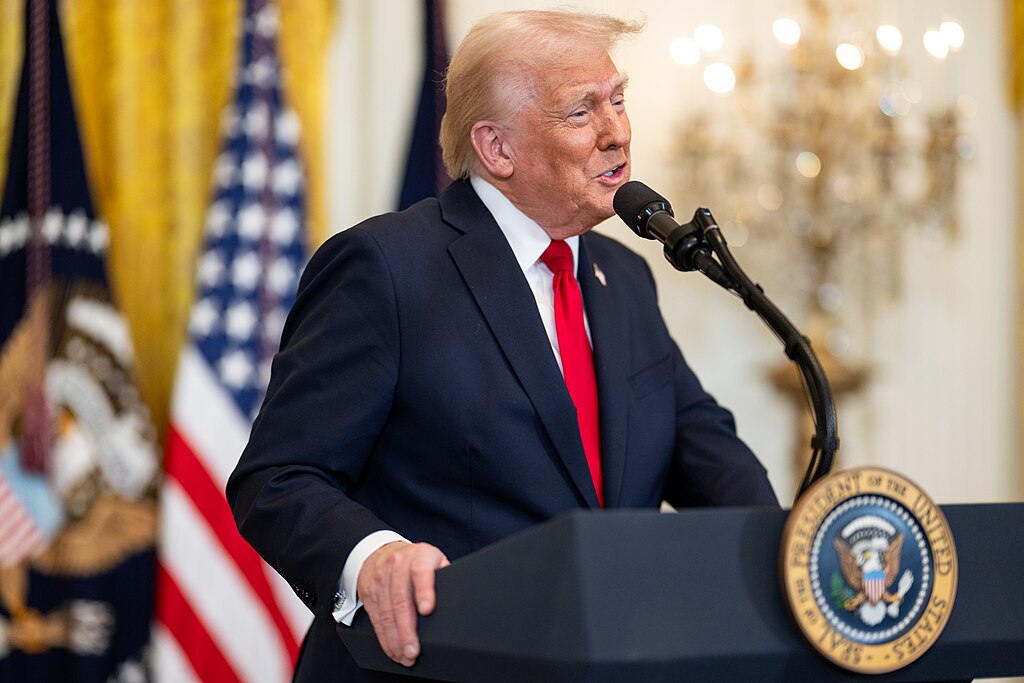
California and 18 other U.S. states are preparing to file a lawsuit in federal court to block President Donald Trump’s proposed $100,000 fee on new H-1B visas for highly skilled foreign workers. The lawsuit, to be filed in Massachusetts, represents at least the third major legal challenge to the controversial fee announced in September, which would dramatically increase the cost of hiring foreign professionals under the H-1B visa program.
Currently, employers typically pay between $2,000 and $5,000 in government fees for an H-1B visa. The new policy would impose a $100,000 payment as a condition for allowing new H-1B recipients to enter the United States. California Attorney General Rob Bonta’s office argues that Trump lacks the legal authority to impose such a fee and that it violates federal immigration law, which permits only cost-based administrative fees, not revenue-generating charges.
The H-1B visa program allows U.S. companies to employ foreign workers in specialty occupations such as technology, engineering, healthcare, and education. California, home to many major technology firms, relies heavily on H-1B workers. Bonta stated that the steep fee would place unnecessary financial strain on employers providing essential services, worsen labor shortages, and potentially reduce access to healthcare and education.
States joining California in the lawsuit include New York, Massachusetts, Illinois, New Jersey, and Washington. The White House has defended the policy in response to other lawsuits, stating that the fee is a lawful exercise of presidential authority and is intended to curb alleged abuse of the H-1B visa system.
Opponents of H-1B visas argue that the program can be used to replace American workers with lower-paid foreign labor. However, business groups, large employers, and industry associations maintain that H-1B workers are essential to filling critical skill gaps in the U.S. workforce. The U.S. Chamber of Commerce, along with a coalition of unions, employers, and religious organizations, has already filed separate lawsuits challenging the fee, with a hearing scheduled in Washington, D.C.
Bonta’s office emphasized that the $100,000 fee far exceeds the actual cost of processing H-1B petitions and therefore violates both federal law and the U.S. Constitution, which reserves revenue-raising powers for Congress, not the president.







