


 South Korea, US Discuss Warship Building Cooperation
  Sudan Rejects US Legitimacy Remarks, Defends Sovereignty
  Kremlin Says No Grounds Yet for Ukraine Peace Talks
  Canada Unveils Bill to Fast-Track Major Resource Projects
  Ghana Says Western Support Growing for Slave Trade Reparations
  US Officials Split Over Response to Israeli West Bank Settlements
  Trump to Press Xi on Release of US Nuclear Expert Held in China
  Russian Envoy Dmitriev Heads to US for Ukraine Talks
  Zelenskiy Warns Russia Preparing Major Attack on Ukraine
  Iran Vows ‘Crushing’ Response as US Talks Continue
  Russian Strikes Kill Eight Across Ukraine as Energy Sites Hit
  Trump Administration Plans Faster FDA Reviews for Smoke-Free Nicotine Products
  Burnham Eyes UK Leadership Role in AI Ahead of Trump Meeting
  Macron Challenges Trump’s Gaza Peace Claims at UN
  Taiwan Vows to Advance US Arms Sales Ahead of Trump-Xi Meeting
  Trump Board of Peace Unveils $2.45 Billion Gaza Recovery Plan
  Europe Warns Russia Is Escalating Hybrid Attacks Across NATO


 Add as a preferred source on Google
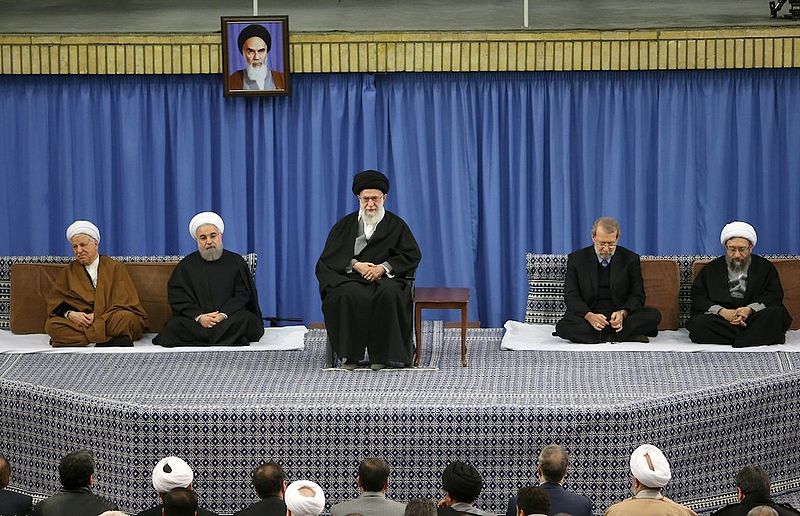
Iran and the West are close to coming to an agreement that would restore the 2015 nuclear deal after months of negotiations. Tehran this week decided to dismantle monitoring cameras put in place by the UN’s nuclear watchdog when the US and other European countries called for its censure.
The Atomic Energy Organization of Iran turned off the International Atomic Energy Agency’s Online Enrichment Monitor and flowmeter system in a nuclear facility, it said Wednesday. The move follows the move by the US and its allies in Europe to submit a resolution to censure Iran over concerns that Tehran was not cooperating with the watchdog.
The AEOI said in a statement that all the monitoring systems that it dismantled were put in place voluntarily and were beyond the framework of the safeguards agreement with the IAEA. The AEOI added that over 80 percent of the existing IAEA cameras were covered by the agreement and would remain in place and running.
“Unfortunately, without considering that the Islamic Republic of Iran’s cooperation has been out of goodwill, the agency has not only not been grateful for it, but has also in a way considered it Iran’s duty,” the AEOI said in the statement, adding that IAEA was informed of the move that was implemented Wednesday.
The US and its European allies expressed concerns over Iran’s developments in its nuclear program and its failure to cooperate, according to the two reports of the IAEA that were released last week.
They cited Iran’s possession of 60 percent enriched uranium along with deploying 2000 advanced centrifuges and expanded research and development as a cause of concern.
Iran and its nuclear officials have previously questioned the impartiality of the UN watchdog and whether the global nuclear organization has been politically compromised. In an interview with Al Jazeera Monday, AEOI chief Mohammad Eslami said the IAEA must put an end to “infiltration by Iran’s enemies” in its operations.
Eslami cited the organization’s confidential reports getting leaked to the media before the actual recipients of the reports receive them. Eslami added that Iran has provided the answers to the questions of the organization but that the IAEA does not have the “will” that is needed to declare Tehran’s answers as appropriate.







