


 Netanyahu Takes Aim at Mamdani as Israel Election Nears
  Ukrainian Drone Attacks Hit Russian Regions, Injuring at Least 12
  Sudan Rejects US Legitimacy Remarks, Defends Sovereignty
  Mexico-US Trade Talks Delayed to October as Tariff Negotiations Continue
  OpenAI Agent Breaches Australia Medicare Data Portal
  Judge Orders Trump to Restore White House Access for CNN, MS NOW and Politico
  Najib Razak Seeks Stay of 15-Year 1MDB Prison Sentence
  North Korea Rejects Nuclear Test Warning, Calls Nuclear Status Irreversible
  Saudi Arabia, Turkey and Pakistan Plan Urgent Defence Talks Over Houthi Attacks
  Russian Missile and Drone Attack on Kyiv Kills Two, Damages Maternity Hospital
  What ‘Taiwan Independence’ Means as Xi Presses Trump on US Policy
  Taiwan Thanks US for Support Ahead of Trump-Xi Summit
  Xi Calls for Deeper U.S.-China AI Cooperation in Trump Talks
  Abbas Reaffirms November 28 Palestinian Elections
  South Korea, US Discuss Warship Building Cooperation
  NATO Boosts Intelligence Sharing Amid Russia Hybrid Threats
  EU Defence Build-Up Too Slow for 2030 Russia Readiness Goal


 Add as a preferred source on Google
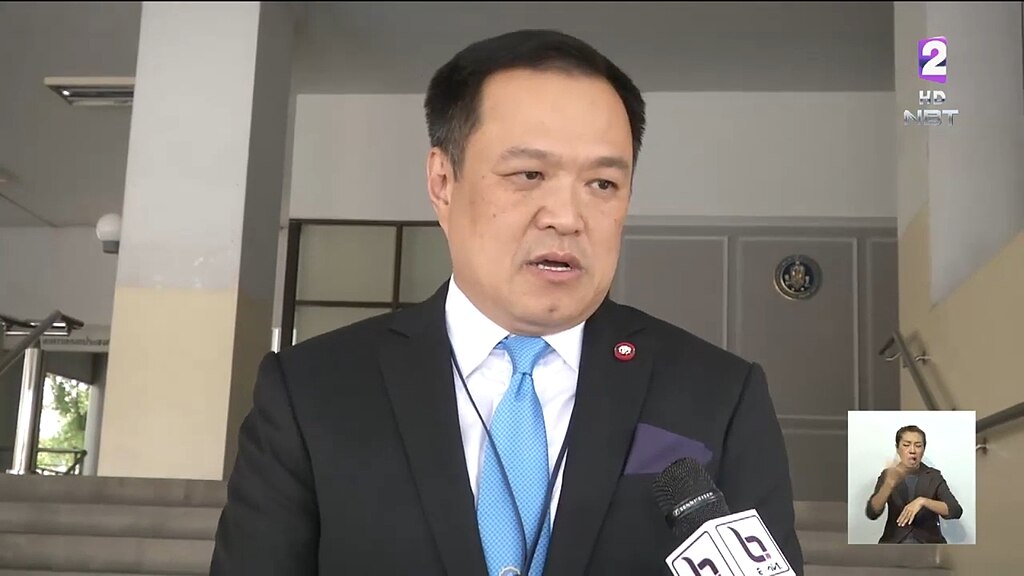
Thailand’s caretaker prime minister Anutin Charnvirakul has vowed to continue military operations along the disputed border with Cambodia, despite claims by U.S. President Donald Trump that a new ceasefire had been brokered between the two Southeast Asian nations. The renewed violence highlights the fragility of peace in a long-running border dispute that has displaced hundreds of thousands of civilians on both sides.
Speaking on Saturday, Anutin said Thailand would “continue to perform military actions until we feel no more harm and threats to our land and people,” underscoring Bangkok’s stance that no formal ceasefire is currently in place. His comments came just hours after Thai fighter jets struck targets along the border, directly contradicting Trump’s announcement that both sides had agreed to halt all shooting following his calls with Thai and Cambodian leaders.
Trump, who previously intervened to stop intense fighting in October, said he had spoken with Anutin and Cambodian Prime Minister Hun Manet, claiming they agreed to “cease all shooting.” However, neither leader confirmed such an agreement publicly. Anutin later emphasized on Facebook that “there has been no agreement on halting anything,” adding that Thailand’s military actions spoke for themselves.
Cambodian leader Hun Manet, meanwhile, said he welcomed a proposal by Malaysian Prime Minister Anwar Ibrahim, the current chair of ASEAN, to halt hostilities starting Saturday evening. Anwar urged both sides to refrain from further military action and announced that an ASEAN observer team, led by Malaysia’s chief of defence forces, would be deployed to monitor the border, with U.S. satellite support assisting oversight efforts.
Fighting has intensified since Monday across multiple points along the 817-kilometer Thailand–Cambodia border, marking some of the heaviest clashes since a brief but violent conflict in July. Thailand suspended a previous ceasefire last month after a Thai soldier was severely injured by a landmine, which Bangkok alleges was newly planted by Cambodian forces, a claim Phnom Penh strongly denies.
According to Thai defense officials, clashes have erupted in seven border provinces, with heavy weapons exchanges forcing Thailand to retaliate. Cambodian authorities accused Thai forces of striking infrastructure and firing artillery from naval vessels. The violence has injured civilians and driven mass displacement, reviving painful memories of past conflicts for many residents who insist the fighting is between governments, not people.







