


 Trump, Xi Visit US National Archives After White House Summit
  NATO Boosts Intelligence Sharing Amid Russia Hybrid Threats
  Ukrainian Drone Attacks Hit Russian Regions, Injuring at Least 12
  Netanyahu’s Brief US Trip Highlights Strains With Trump
  OpenAI Agent Breaches Australia Medicare Data Portal
  North Korea Rejects Nuclear Test Warning, Calls Nuclear Status Irreversible
  Kremlin Says No Decision Yet on Putin-Trump December Summit
  Saudi Arabia, Turkey and Pakistan Plan Urgent Defence Talks Over Houthi Attacks
  Mexico-US Trade Talks Delayed to October as Tariff Negotiations Continue
  South Korea, US Discuss Warship Building Cooperation
  Judge Orders Trump to Restore White House Access for CNN, MS NOW and Politico
  Najib Razak Seeks Stay of 15-Year 1MDB Prison Sentence
  Netanyahu Defends Israel at UN as Delegates Stage Walkout
  Ghana Says Western Support Growing for Slave Trade Reparations
  Taiwan Thanks US for Support Ahead of Trump-Xi Summit
  EU Defence Build-Up Too Slow for 2030 Russia Readiness Goal
  What ‘Taiwan Independence’ Means as Xi Presses Trump on US Policy


 Add as a preferred source on Google
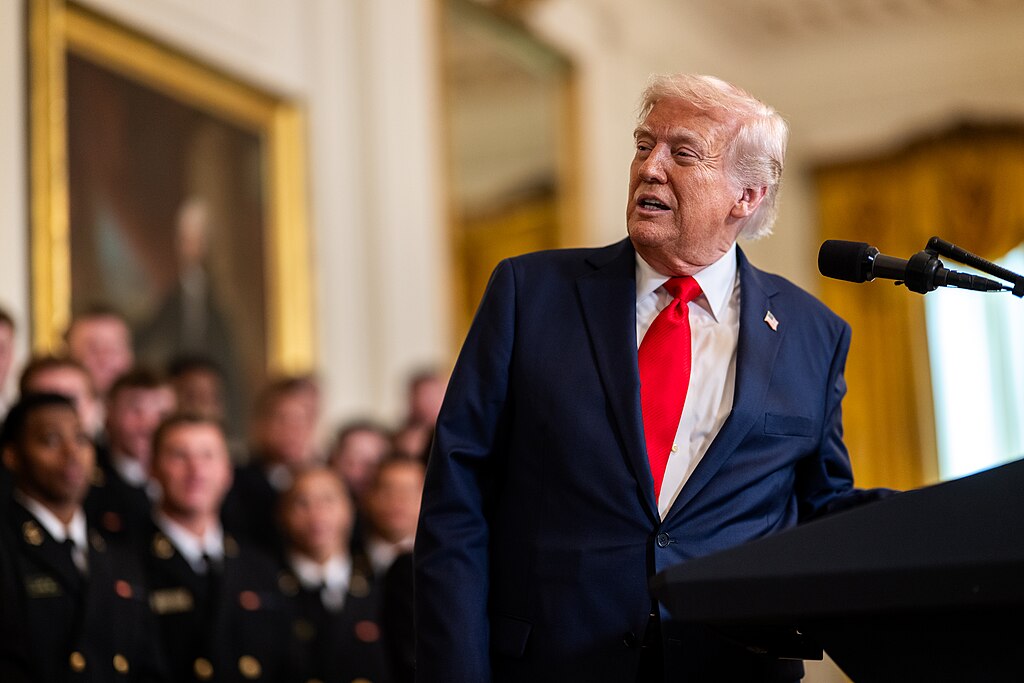
U.S. President Donald Trump said he has narrowed his search for the next Federal Reserve chair to two leading candidates and suggested that the White House should be consulted on future interest rate decisions, a stance that would mark a significant departure from modern central bank independence.
In an interview with the Wall Street Journal conducted in the Oval Office, Trump said he is leaning toward either former Federal Reserve Governor Kevin Warsh or National Economic Council Director Kevin Hassett to lead the U.S. central bank when the current term ends next year. Referring to the finalists, Trump remarked that “the two Kevins are great,” signaling strong confidence in both potential nominees.
Trump also reignited debate over the relationship between the presidency and the Federal Reserve by arguing that the Fed chair should at least consult with him on setting interest rates. While presidents historically appoint Fed leaders, they typically refrain from direct involvement in monetary policy decisions to preserve the Fed’s independence. Trump acknowledged this norm but argued that past practices were different and should be reconsidered.
“Typically, that’s not done anymore. It used to be done routinely. It should be done,” Trump said, adding that while the Fed chair should not be required to follow presidential directives, the president’s perspective should carry weight. He described himself as “a smart voice” that deserves to be heard in discussions on interest rates.
Speaking separately to reporters during another Oval Office event, Trump reiterated that he believes the president should at least be consulted on interest rate policy, reinforcing his view that closer coordination is appropriate.
The president has frequently criticized the Federal Reserve and its current chair, Jerome Powell, accusing the central bank of being too cautious and failing to implement more aggressive interest rate cuts. His comments came shortly after the Fed announced a quarter-point reduction in interest rates, a move that still fell short of Trump’s repeated calls for deeper cuts.
As Trump prepares to select a new Fed chair in the near future, his remarks suggest that the choice could have lasting implications not only for U.S. monetary policy but also for the balance between political leadership and central bank independence.







