


 Amazon Shares Fall as FTC Plans Ad Pricing Lawsuit
  Pezeshkian Says US Must Choose When Iran War Ends
  US Court Approves airBaltic Chapter 11 Restructuring
  Maduro Seeks Dismissal of US Drug Trafficking Charges
  Taiwan Thanks US for Support Ahead of Trump-Xi Summit
  Judge Orders Trump to Restore White House Access for CNN, MS NOW and Politico
  OpenAI Agent Breaches Australia Medicare Data Portal
  SEC Seeks ISS Client Voting Records in Proxy Adviser Probe
  Mahmoud Khalil Sues Columbia Over Alleged Pro-Palestinian Harassment
  France Defends Netanyahu Airspace Clearance Despite ICC Warrant
  Appeals Court Rejects Trump Third-Country Deportation Policy
  North Korea Warns South Korea Over US-Led Defense Role
  OpenAI Rejects Apple Trade Secret Theft Claims
  Ukrainian Drone Attacks Hit Russian Regions, Injuring at Least 12
  Saudi Arabia, Turkey and Pakistan Plan Urgent Defence Talks Over Houthi Attacks
  Brazil Court Suspends Sigma Lithium Mine Operations
  Netanyahu Defends Israel at UN as Delegates Stage Walkout


 Add as a preferred source on Google
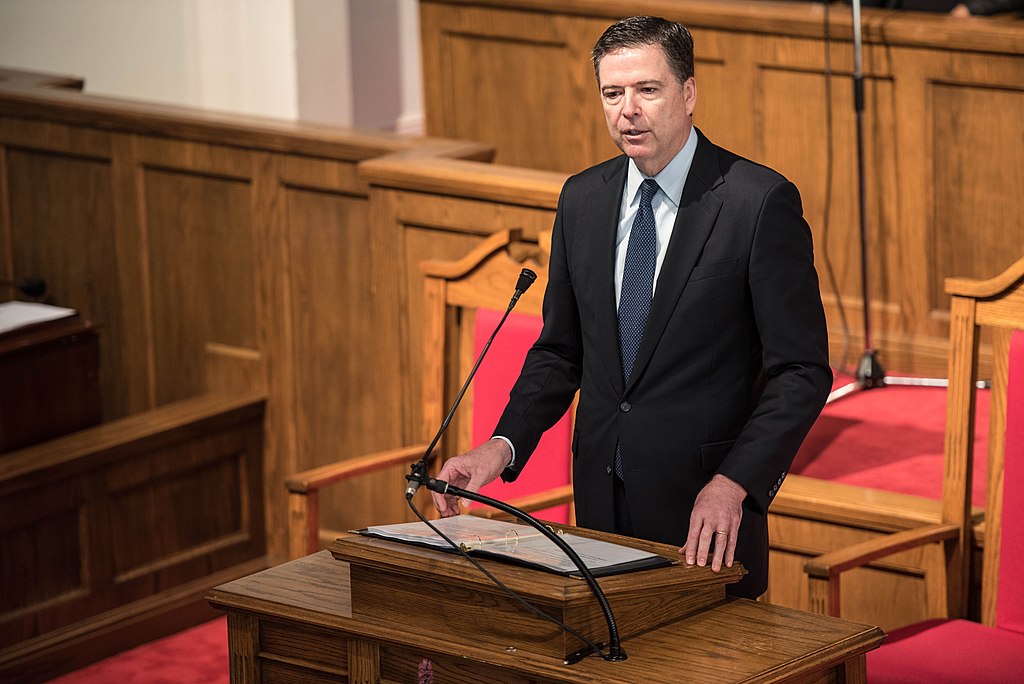
A federal judge has ruled that prosecutors must return evidence seized from a key figure connected to the now-dismissed criminal case against former FBI Director James Comey, while allowing the U.S. Department of Justice (DOJ) to seek a new warrant to obtain the information in the future. The decision represents a temporary setback for federal prosecutors considering renewed charges against Comey, a vocal critic of former President Donald Trump.
U.S. District Judge Colleen Kollar-Kotelly, based in Washington, D.C., ruled that files seized from Daniel Richman—a law professor and former attorney for Comey—must be returned. However, the judge allowed a copy of the materials to be placed under court supervision for safekeeping in case prosecutors later obtain a valid warrant. Richman had sued last month, arguing that the DOJ improperly seized and retained his files during a probe conducted between 2019 and 2020, which concluded in 2021 without charges.
In her ruling, released Friday night, Judge Kollar-Kotelly stated that retaining a copy of Richman’s files without proper safeguards against warrantless searches in a new investigation constituted an unreasonable seizure under the law. At the same time, she declined to prohibit the Justice Department from using or relying on information derived from the materials in the future. The judge emphasized that prosecutors remain free to pursue investigative leads learned from the files and to seek a new warrant to lawfully obtain them again.
The ruling comes amid heightened scrutiny of DOJ actions involving figures perceived as political adversaries of Trump. Prosecutors had used the seized files earlier this year to build a case against Comey, who was indicted in October on charges of making false statements and obstructing Congress related to his 2020 testimony about anonymous FBI disclosures to the media.
However, last month a federal judge dismissed criminal cases against both Comey and New York Attorney General Letitia James after determining that the indictments were secured by an unlawfully appointed U.S. attorney in Virginia’s Eastern District. Richman’s lawyer declined to comment on the latest ruling.
While the DOJ retains the option to revive its investigation, the decision underscores ongoing legal and constitutional challenges surrounding evidence seizures, warrants, and prosecutorial authority.







