


 CNN, MS NOW and Politico Sue Trump Over White House Media Ban
  Mahmoud Khalil Sues Columbia Over Alleged Pro-Palestinian Harassment
  LVMH-Hermès Dispute Deepens Over Secret 2002 Share Deal
  SEC Seeks ISS Client Voting Records in Proxy Adviser Probe
  Trump Administration Prepares Sanctions Against Entire ICC
  US Court Approves airBaltic Chapter 11 Restructuring
  Ecuador Court Convicts Ex-President Lenin Moreno in Bribery Case
  France Defends Netanyahu Airspace Clearance Despite ICC Warrant
  Sara Duterte Posts Bail Over Grave Threats Case
  ICE Agent Arrested in Minneapolis Over Venezuelan Man Shooting
  Ghana Says Western Support Growing for Slave Trade Reparations
  Venezuela Nears Deal to Move $4 Billion in Gold to New York Fed
  Trump’s Arlington Arch Project Faces New Court Restrictions
  Sudan Rejects US Legitimacy Remarks, Defends Sovereignty
  Trump Asks Supreme Court to Restore Third-Country Deportations
  Najib Razak Seeks Stay of 15-Year 1MDB Prison Sentence
  North Korea Warns South Korea Over US-Led Defense Role


 Add as a preferred source on Google
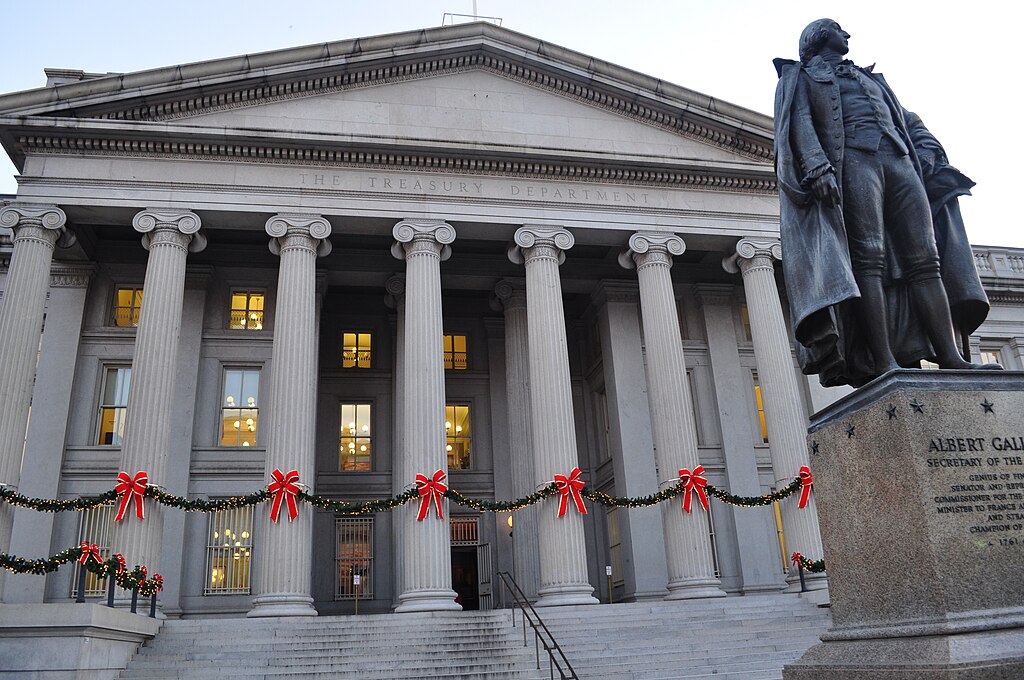
The United States has officially lifted sanctions on Brazilian Supreme Court Justice Alexandre de Moraes, signaling a notable shift in U.S.–Brazil relations under President Donald Trump. The decision, announced Friday by the U.S. Treasury Department, reverses sanctions imposed less than five months ago under the Global Magnitsky Act and comes amid a broader easing of trade and diplomatic tensions between Washington and Brasília.
Justice Moraes had been sanctioned in July for overseeing the criminal case that led to the conviction and imprisonment of former Brazilian President Jair Bolsonaro, who was found guilty of attempting a coup following his loss in the 2022 presidential election. At the time, President Trump strongly criticized the trial, labeling it a “witch hunt,” while his administration accused Moraes of judicial overreach, arbitrary detentions, and suppressing free speech.
Alongside Moraes, the Treasury Department also removed sanctions placed in September on his wife, Viviane Barci, and the Lex Institute, a financial entity linked to Barci and other family members. These sanctions had significantly strained diplomatic relations, particularly after the U.S. imposed steep tariffs on Brazilian imports earlier this year. Some of those tariffs have already been rolled back, underscoring a warming tone between the two countries.
The policy reversal follows recent political developments in Brazil, where lawmakers in the lower house passed legislation aimed at reducing sentences for Bolsonaro and others convicted of anti-democratic acts related to the 2022 election. While the bill still faces debate in Brazil’s Senate and potential resistance from President Luiz Inácio Lula da Silva and the Supreme Court, U.S. officials have welcomed the move. Deputy Secretary of State Christopher Landau described the legislation as a positive first step toward addressing concerns over the politicization of Brazil’s legal system.
A senior Trump administration official stated that maintaining sanctions on Moraes no longer aligned with U.S. foreign policy interests, citing improvements in what Washington views as “lawfare conditions” in Brazil. The decision also followed a recent phone call between Trump and Lula, which Trump characterized as “great” and indicative of a newly formed partnership.
Brazilian officials hailed the lifting of sanctions as a diplomatic victory, emphasizing that the outcome was achieved without concessions. Meanwhile, Eduardo Bolsonaro criticized the move, expressing disappointment despite thanking Trump for his earlier support.







