


 EU Defence Build-Up Too Slow for 2030 Russia Readiness Goal
  Netanyahu Takes Aim at Mamdani as Israel Election Nears
  Judge Orders Trump to Restore White House Access for CNN, MS NOW and Politico
  South Korea, US Discuss Warship Building Cooperation
  Taiwan Thanks US for Support Ahead of Trump-Xi Summit
  Netanyahu’s Brief US Trip Highlights Strains With Trump
  Trump, Xi Visit US National Archives After White House Summit
  Saudi Arabia, Turkey and Pakistan Plan Urgent Defence Talks Over Houthi Attacks
  North Korea Rejects Nuclear Test Warning, Calls Nuclear Status Irreversible
  US Backs Musk in Fight Against EU’s €120 Million X Fine
  US Senate Rejects Iran War Powers Resolution in 50-49 Vote
  OpenAI Agent Breaches Australia Medicare Data Portal
  Pezeshkian Says US Must Choose When Iran War Ends
  What ‘Taiwan Independence’ Means as Xi Presses Trump on US Policy
  France Defends Netanyahu Airspace Clearance Despite ICC Warrant
  Najib Razak Seeks Stay of 15-Year 1MDB Prison Sentence
  Mexico-US Trade Talks Delayed to October as Tariff Negotiations Continue


 Add as a preferred source on Google
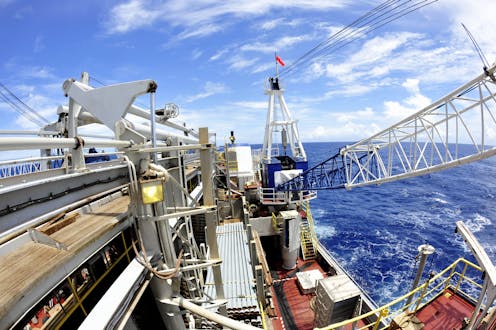
A U.S. special operations team operating in the Indian Ocean recently carried out a high-risk maritime raid that resulted in the seizure of military-related components from a vessel traveling from China to Iran, according to a report by the Wall Street Journal citing U.S. officials. The operation, which took place last month, highlights ongoing U.S. efforts to disrupt weapons supply chains linked to Iran amid heightened regional and global security concerns.
According to officials familiar with the matter, U.S. forces boarded the ship several hundred miles off the coast of Sri Lanka. During the raid, the team discovered cargo that included components potentially usable in Iran’s conventional weapons programs. One U.S. official stated that while the items were not complete weapons systems, they were considered militarily significant due to their possible application in enhancing Iran’s defense capabilities. After the seizure, the confiscated materials were destroyed to prevent further proliferation.
The vessel itself was not detained long-term. Following the inspection and seizure of the cargo, U.S. forces allowed the ship to continue on its voyage. Details about the ship’s ownership, flag state, and the precise nature of the components seized were not publicly disclosed, reflecting the sensitive nature of the operation and broader intelligence considerations.
This incident underscores growing concerns among U.S. officials about China-to-Iran supply routes and the transfer of dual-use materials that could bolster Iran’s military infrastructure. The raid also reflects Washington’s continued reliance on special operations forces and naval assets to enforce sanctions, counter illicit arms trafficking, and maintain security across critical maritime corridors such as the Indian Ocean.
The U.S. has repeatedly accused Iran of seeking to expand its conventional and asymmetric military capabilities despite international scrutiny and sanctions. Interdictions like this one are seen as part of a broader strategy to limit Tehran’s access to materials that could be used for weapons development, while also signaling U.S. resolve to monitor and disrupt suspicious maritime activity far from its own shores.
As geopolitical tensions persist across the Middle East and Indo-Pacific regions, such operations are likely to remain a key tool in U.S. counterproliferation and maritime security efforts.







