


 US-China Talks Target AI, Tariffs Ahead of Trump-Xi Summit
  Canada Unveils Bill to Fast-Track Major Resource Projects
  Trump Plans Military Complex Inside Washington Triumphal Arch
  Australia Plans New Rules Giving Users Control Over Social Media Feeds
  Strait of Hormuz Oil Shipments Hit Six-Month High as U.S. Clears Mines
  Australia Tightens Student Visa Rules, Targets Migration Cut by 2028
  Oil Prices Rise as Houthi Strikes on Riyadh Fuel Middle East Tensions
  Canada Eyes India Trade Deal by Year-End
  Macron, Trump Discuss Ukraine-Russia Energy Strike Moratorium
  US Resumes Immigrant Visa Processing for Hungary, Poland
  North Korea Fires Two Ballistic Missiles From Wonsan
  Diana’s Brother Backs Security for Harry and Meghan
  US Bans Canadian Alcohol, Motorcycles as Trade War Escalates
  Trump Grants Clemency to Jay-Z Associate Emory Jones
  UK, Mauritius Seek Diego Garcia Base Deal
  United Russia Leads Russia Election as Ukraine Drones Hit Moscow
  US Judge Dismisses Imran Ahmed Deportation Lawsuit


 Add as a preferred source on Google
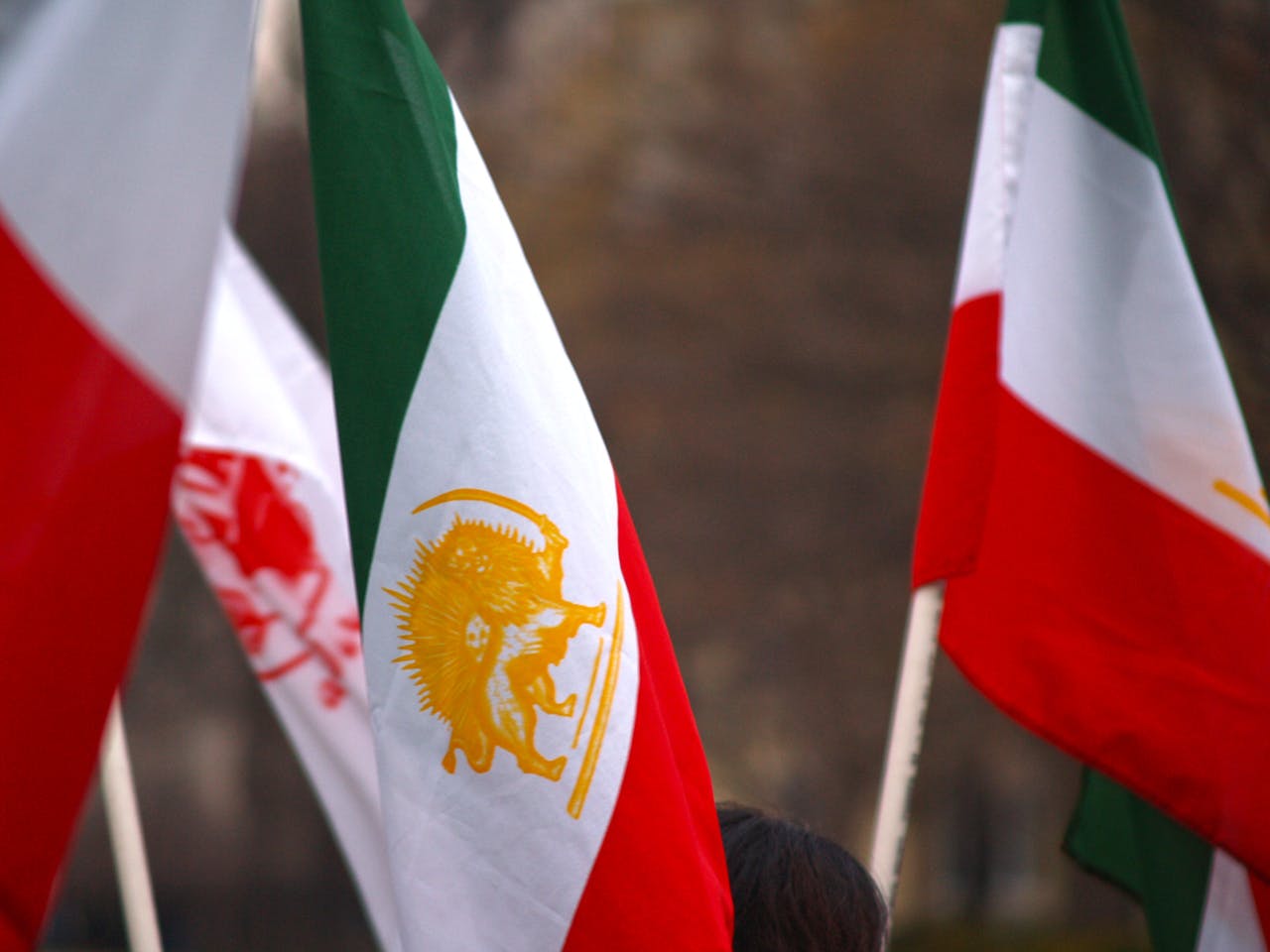
U.S. President Donald Trump has signed a new executive order that could impose tariffs of up to 25% on countries that continue to do business with Iran, marking a significant escalation in Washington’s pressure campaign against Tehran. The order, signed on Friday, reinforces the United States’ hardline stance on Iran’s economy, trade relations, and regional influence, even as diplomatic efforts remain ongoing.
The executive order authorizes the U.S. government to target foreign nations, companies, and financial institutions that engage in trade with Iran, particularly in sectors that are critical to the Iranian economy. By threatening steep tariffs, the United States aims to further isolate Iran economically and discourage international partners from maintaining commercial ties with the country. The move aligns with the broader U.S. strategy of using economic leverage, including sanctions and trade restrictions, to influence Iran’s behavior.
This latest development comes at a time when tensions between the United States and Iran continue to simmer. Despite the confrontational tone of the executive order, officials from both countries reportedly engaged in talks earlier this week, suggesting that diplomatic channels remain open. However, the contrast between renewed negotiations and the announcement of potential tariffs highlights the fragile and complex nature of U.S.-Iran relations.
Supporters of the policy argue that increased economic pressure is necessary to curb Iran’s nuclear ambitions and limit its influence in the Middle East. Critics, however, warn that imposing tariffs on third-party countries could strain U.S. relationships with key allies and disrupt global trade. Countries that rely on Iranian energy exports or maintain strategic partnerships with Tehran may now face difficult choices as they balance economic interests against the risk of U.S. penalties.
The executive order adds another layer of uncertainty to international markets and geopolitical dynamics. As governments and businesses assess the potential impact of the 25% tariff threat, attention will remain focused on whether diplomacy can ease tensions or if economic pressure will further escalate the standoff between Washington and Tehran.







