


 Saudi Arabia, Turkey and Pakistan Plan Urgent Defence Talks Over Houthi Attacks
  US Backs Musk in Fight Against EU’s €120 Million X Fine
  Najib Razak Seeks Stay of 15-Year 1MDB Prison Sentence
  Abbas Reaffirms November 28 Palestinian Elections
  Taiwan Thanks US for Support Ahead of Trump-Xi Summit
  Russian Missile and Drone Attack on Kyiv Kills Two, Damages Maternity Hospital
  Sudan Rejects US Legitimacy Remarks, Defends Sovereignty
  Netanyahu Takes Aim at Mamdani as Israel Election Nears
  Trump Asks Supreme Court to Restore Third-Country Deportations
  Ukrainian Drone Attacks Hit Russian Regions, Injuring at Least 12
  Judge Orders Trump to Restore White House Access for CNN, MS NOW and Politico
  US Senate Rejects Iran War Powers Resolution in 50-49 Vote
  Pezeshkian Says US Must Choose When Iran War Ends
  North Korea Rejects Nuclear Test Warning, Calls Nuclear Status Irreversible
  Netanyahu Defends Israel at UN as Delegates Stage Walkout
  OpenAI Agent Breaches Australia Medicare Data Portal
  France Defends Netanyahu Airspace Clearance Despite ICC Warrant


 Add as a preferred source on Google
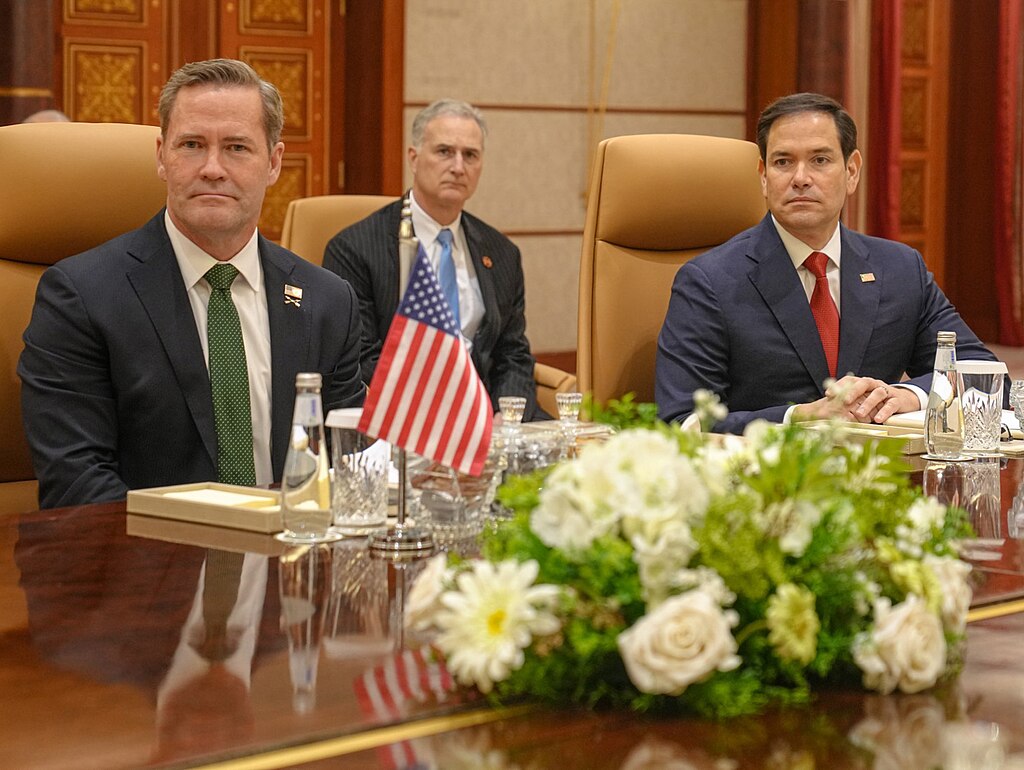
The United States will make an initial payment toward the billions of dollars it owes the United Nations within weeks, according to comments made by U.S. Ambassador Mike Waltz in a recent interview with Reuters. The move comes amid growing concerns over a deepening UN funding crisis, which Secretary-General Antonio Guterres has warned could lead to “imminent financial collapse” if member states fail to pay their assessed contributions.
Waltz said the upcoming payment would represent a significant down payment on U.S. arrears, though the final amount has not yet been determined. UN officials estimate that more than 95% of unpaid contributions to the UN’s regular budget are owed by Washington, totaling around $2.19 billion as of early February. In addition, the U.S. owes approximately $2.4 billion for peacekeeping operations and $43.6 million for UN tribunals.
The UN General Assembly approved a $3.45 billion regular budget for 2026 in late December, covering global operations, staff salaries, meetings, and development and human rights work. Despite this, the organization faces serious cash flow problems, worsened by the fact that the U.S. did not pay into the regular budget last year and now owes hundreds of millions of dollars for both 2025 and 2026.
Earlier this week, President Donald Trump signed a congressional spending bill that includes $3.1 billion for US dues to the UN and other international organizations. Waltz said the funds would generally be applied toward arrears and reflect acknowledgment of reform efforts underway at the UN.
Under the Trump administration, US arrears have grown as the country reduced mandatory and voluntary funding, withdrew from some UN agencies, and pushed for structural reforms. Waltz voiced support for Guterres’ UN80 reform initiative, emphasizing the need to reduce bureaucracy, eliminate duplication, and refocus the UN on core peace and security missions.
The UN funding crisis highlights broader debates over multilateralism, efficiency, and accountability. While the planned US payment offers short-term relief, both Washington and UN leadership agree that long-term financial stability will depend on continued reforms and changes to outdated budgetary rules.







