


 US Bans Canadian Alcohol, Motorcycles as Trade War Escalates
  U.S. Issues Cuba Health Alert as Illnesses Rise
  Australia Plans New Rules Giving Users Control Over Social Media Feeds
  FCC Approves Foreign Investment in $110B Paramount-Warner Bros. Deal
  Michelle Bachelet Withdraws From UN Secretary-General Race
  US Plans Two New Military Bases in Greenland Under Arctic Deal
  Vietnam, US Trade Deal Could Be Signed Soon, To Lam Says
  Trump Open to Pezeshkian Meeting as Iran Tensions Escalate
  US Judge Dismisses Imran Ahmed Deportation Lawsuit
  US Northeast Airports Resume Operations After Telecom Outage Disrupts Thousands of Flights
  Who should own the knowledge that underpins AI technology?
  Trump Grants Clemency to Jay-Z Associate Emory Jones
  Trump Plans Military Complex Inside Washington Triumphal Arch
  US Immigration Arrests Surge as Deportations Lag Behind
  US-China Talks Target AI, Tariffs Ahead of Trump-Xi Summit
  Trump, Iran Trade Threats as Middle East Tensions Escalate


 Add as a preferred source on Google
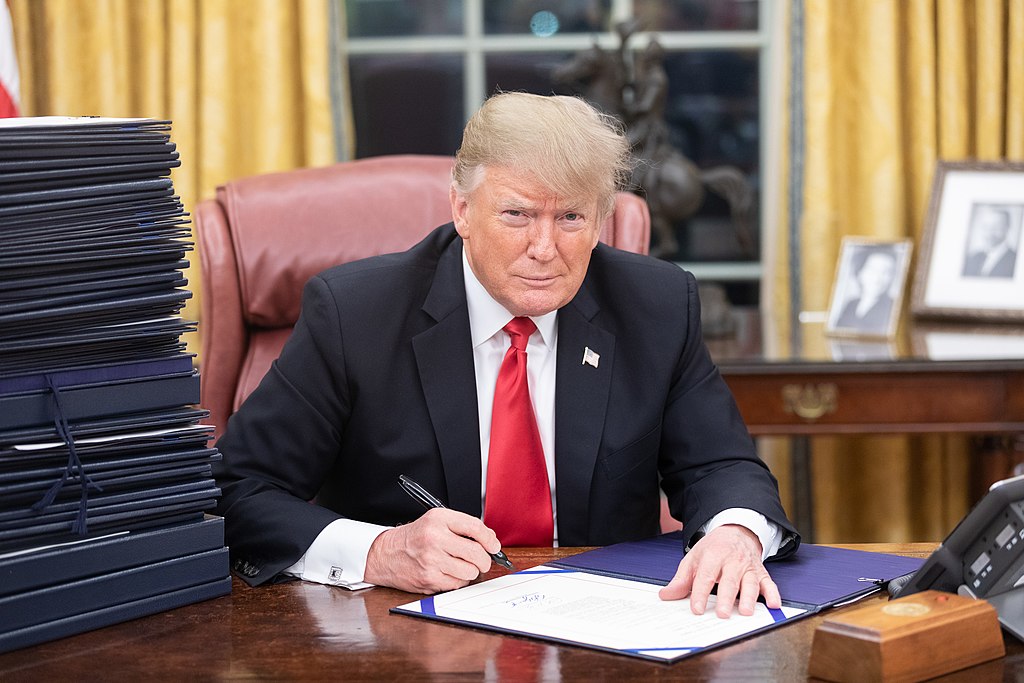
U.S. President Donald Trump has signed a new executive order reshaping how the United States prioritizes foreign military sales, marking a major shift in long-standing U.S. arms export policy. The order establishes the “America First Arms Transfer Strategy,” which directs federal agencies to prioritize weapons sales to countries with higher defense spending and strong strategic importance in their regions, according to the White House.
Under the new policy, U.S. weapons exports will no longer follow the traditional first-come, first-served model that has governed arms sales for decades. Instead, priority will be given to allies and partners that have invested heavily in their own defense capabilities and play a critical role in maintaining regional security. While no specific countries were named in the executive order, the policy aligns closely with recent NATO commitments, including a 2025 agreement by alliance leaders to support a new defense spending target of 5% of GDP and reaffirm collective defense obligations.
The White House said the strategy is designed to accelerate delivery timelines for U.S.-manufactured weapons, reduce production backlogs, and better align foreign military sales with American manufacturing capacity. A fact sheet accompanying the order emphasized that future arms sales will prioritize U.S. national interests by leveraging foreign capital and purchases to expand domestic defense production and industrial capacity.
As part of the implementation, the Secretaries of Defense, State, and Commerce are tasked with developing a prioritized sales catalog of key defense platforms and systems. They will also identify new sales opportunities that support both U.S. strategic objectives and domestic industrial growth. The administration argues that the previous “partner-first” approach contributed to delivery delays and mismatches between foreign demand and U.S. production capabilities.
The executive order also calls for streamlining bureaucratic processes related to arms transfers, including enhanced end-use monitoring and clearer third-party transfer procedures. These changes aim to reduce delays, improve transparency, and make the U.S. arms export system more efficient and predictable.
Overall, the America First Arms Transfer Strategy reflects the administration’s effort to link U.S. defense exports more closely with national security priorities, allied burden-sharing, and the revitalization of America’s defense industrial base, while reinforcing partnerships with countries seen as essential to regional and global stability.







