


 Trump Lifts 25% Tariff on Indian Goods in Strategic U.S.–India Trade and Energy Deal
  Norway Opens Corruption Probe Into Former PM and Nobel Committee Chair Thorbjoern Jagland Over Epstein Links
  TrumpRx Website Launches to Offer Discounted Prescription Drugs for Cash-Paying Americans
  Thailand Inflation Remains Negative for 10th Straight Month in January
  Trump Signs “America First Arms Transfer Strategy” to Prioritize U.S. Weapons Sales
  Trump Endorses Japan’s Sanae Takaichi Ahead of Crucial Election Amid Market and China Tensions
  South Korea Assures U.S. on Trade Deal Commitments Amid Tariff Concerns
  Trump Backs Nexstar–Tegna Merger Amid Shifting U.S. Media Landscape
  U.S. to Begin Paying UN Dues as Financial Crisis Spurs Push for Reforms
  RBI Holds Repo Rate at 5.25% as India’s Growth Outlook Strengthens After U.S. Trade Deal
  Missouri Judge Dismisses Lawsuit Challenging Starbucks’ Diversity and Inclusion Policies
  Bank of Japan Signals Readiness for Near-Term Rate Hike as Inflation Nears Target
  Jack Lang Resigns as Head of Arab World Institute Amid Epstein Controversy
  Gold and Silver Prices Slide as Dollar Strength and Easing Tensions Weigh on Metals
  New York Legalizes Medical Aid in Dying for Terminally Ill Patients
  Gold Prices Slide Below $5,000 as Strong Dollar and Central Bank Outlook Weigh on Metals
  U.S.-India Trade Framework Signals Major Shift in Tariffs, Energy, and Supply Chains


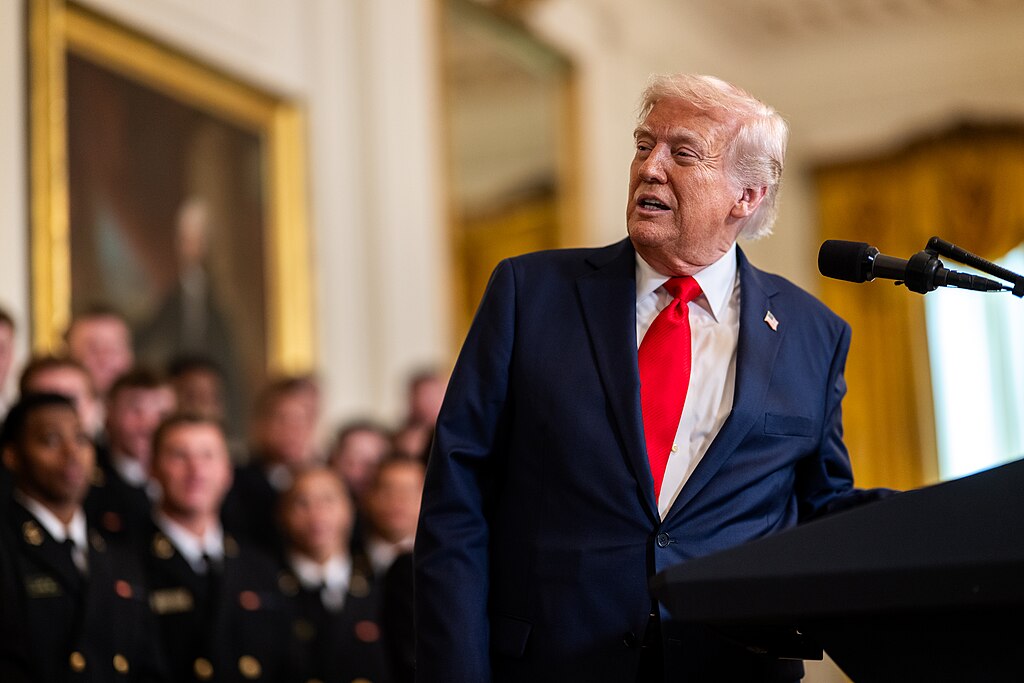
Donald Trump has positioned himself as the Republican Party’s chief voice on the cost of living during a pivotal election year, but a Reuters review of his recent speeches shows a growing disconnect between his rhetoric and Americans’ everyday experiences. In five major economic speeches since December, Trump repeatedly claimed that inflation has been “beaten” and that prices are falling, despite data showing inflation hovering near 3% and grocery costs still rising.
According to the analysis, Trump asserted that inflation was defeated nearly 20 times and said prices were coming down almost 30 times. Yet many consumers continue to feel financial pressure. Since Trump returned to office a year ago, prices for staples such as ground beef and coffee have surged, up roughly 18% and 29% respectively. While inflation has slowed, economists emphasize that a lower inflation rate does not mean prices are actually falling—only that they are increasing more slowly.
Republican strategists warned that this mixed messaging could undermine Trump’s credibility ahead of the November midterm elections, when control of Congress is at stake. Polls indicate that voter dissatisfaction with the economy remains high, with only about 35% approving of Trump’s economic performance, well below his early approval ratings.
Much of Trump’s speaking time has also been spent off-message. Reuters found that nearly half of his remarks veered into unrelated grievances, especially immigration, along with attacks on political opponents and controversial statements about foreign policy and social issues. Critics say this “weaving” style risks drowning out his core economic argument and leaves voters unclear about how his policies directly address affordability.
The White House maintains that Trump’s focus on immigration is tied to economic concerns, arguing that illegal immigration strains public services, housing, and wages. Trump has also promoted solutions such as tax cuts, eliminating taxes on tips and overtime, lowering mortgage rates, and reducing drug prices. While economists expect tax cuts to provide some relief, they caution that many proposals are unlikely to significantly ease living costs before the elections.
Former officials note that Trump may be repeating a mistake made by Joe Biden in 2024: emphasizing macroeconomic improvements while failing to acknowledge household-level pain. In an election year, experts say, voters want leaders who recognize their struggles as much as they tout economic statistics.













