


 Lula Meets Mamdani in New York as Elections Approach
  Trump, Iran Trade Threats as Middle East Tensions Escalate
  Australia Defends Social Media Algorithm Law Amid US Concerns
  ICE Officer Shoots Man in Austin, Sparking Calls for Independent Probe
  US Northeast Airports Resume Operations After Telecom Outage Disrupts Thousands of Flights
  Trump Scales Back Endangered Species Act Protections
  Trump Bans CNN, MS NOW and Politico From White House
  Trump-Xi Summit Puts Trade Truce and Taiwan in Focus
  White House Bars CNN, MS NOW and Politico Reporters
  U.S. Issues Cuba Health Alert as Illnesses Rise
  Trump Plans Military Complex Inside Washington Triumphal Arch
  Who should own the knowledge that underpins AI technology?
  Burnham Eyes UK Leadership Role in AI Ahead of Trump Meeting
  Vietnam, US Trade Deal Could Be Signed Soon, To Lam Says
  Russian Drone Attacks Kill Four in Kyiv Region, Including Three Children
  DOJ Will Investigate AI-Related Crimes, Attorney General Blanche Says
  Trump Grants Clemency to Jay-Z Associate Emory Jones


 Add as a preferred source on Google
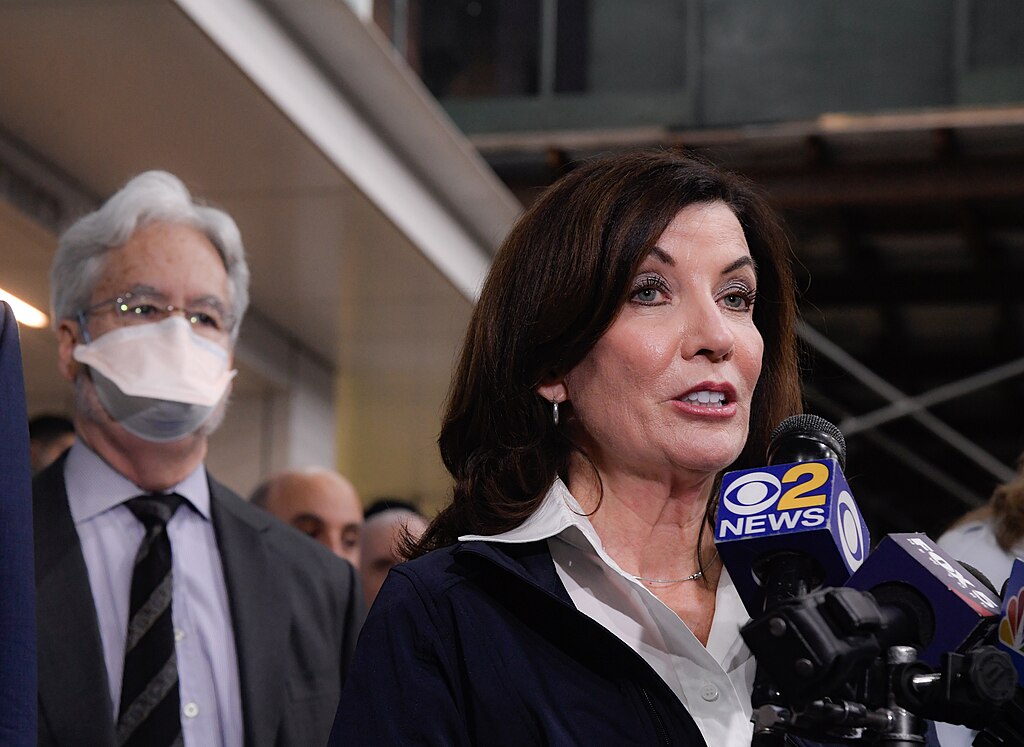
New York has officially joined a growing number of U.S. states allowing medical aid in dying after Governor Kathy Hochul signed landmark legislation into law on Friday. The new New York medical aid in dying law permits terminally ill residents with a prognosis of six months or less to receive prescribed medication to peacefully end their lives, marking a major shift in end-of-life care policy in the state.
Governor Hochul emphasized that the law includes strict safeguards to protect vulnerable patients and uphold ethical medical standards. The legislation requires multiple layers of consent and oversight to ensure that patients are not pressured or coerced into choosing assisted suicide. A mandatory five-day waiting period must pass between when the prescription is written and when it can be filled, and patients must undergo mental health evaluations to confirm they are making an informed and voluntary decision.
Importantly, the law makes participation voluntary for healthcare providers. No doctor, nurse, or religiously affiliated health facility is required to offer or participate in medical aid in dying, preserving freedom of conscience within the healthcare system. Eligibility is also limited to New York residents, preventing the state from becoming a destination for assisted suicide.
In a statement, Hochul said the legislation reflects New York’s commitment to personal freedom and bodily autonomy, including the right of terminally ill individuals to end their lives with dignity and compassion. The move represents a reversal from a 2017 decision by New York’s Court of Appeals, which ruled that physician-assisted suicide was illegal under state law.
With this change, New York becomes the 13th state, along with the District of Columbia, to allow assisted suicide. Oregon was the first to legalize medical aid in dying in 1994, setting a precedent that other states have gradually followed.
Advocacy organizations welcomed the decision. End of Life Choices New York called the law a major milestone in the fight for patient choice and dignity. Executive Director Mandi Zucker said the group plans to launch a statewide education campaign over the next six months to help patients, families, and healthcare providers understand how the law works and who qualifies.
The new law is expected to significantly influence end-of-life care discussions across the state, offering terminally ill New Yorkers an additional option focused on autonomy, comfort, and compassion.







