


 Xi Calls for Deeper U.S.-China AI Cooperation in Trump Talks
  Saudi Arabia, Turkey and Pakistan Plan Urgent Defence Talks Over Houthi Attacks
  North Korea Warns South Korea Over US-Led Defense Role
  Sudan Rejects US Legitimacy Remarks, Defends Sovereignty
  NATO Boosts Intelligence Sharing Amid Russia Hybrid Threats
  Judge Orders Trump to Restore White House Access for CNN, MS NOW and Politico
  Mexico-US Trade Talks Delayed to October as Tariff Negotiations Continue
  North Korea Rejects Nuclear Test Warning, Calls Nuclear Status Irreversible
  Ukrainian Drone Attacks Hit Russian Regions, Injuring at Least 12
  Kremlin Says No Decision Yet on Putin-Trump December Summit
  Yemen Violence Displaces 130,000 as Civilian Toll Rises
  Trump Asks Supreme Court to Restore Third-Country Deportations
  Trump, Xi Visit US National Archives After White House Summit
  Pezeshkian Says US Must Choose When Iran War Ends
  Netanyahu Defends Israel at UN as Delegates Stage Walkout
  US Senate Rejects Iran War Powers Resolution in 50-49 Vote
  US Backs Musk in Fight Against EU’s €120 Million X Fine


 Add as a preferred source on Google
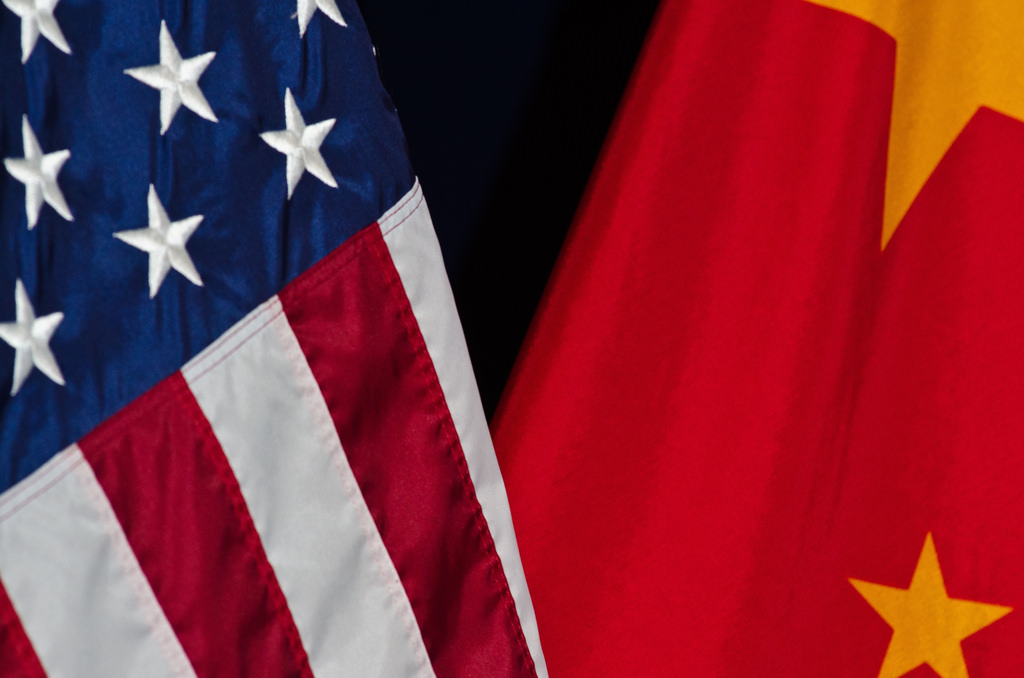
China has issued a strong warning to the United States, signaling that any additional arms sales to Taiwan could seriously jeopardize U.S. President Donald Trump’s planned visit to China in April. According to a report published by the Financial Times on Friday, Chinese officials have directly conveyed their concerns to Washington, emphasizing that further military support for Taiwan may derail the high-profile diplomatic trip.
The warning highlights rising tensions between the world’s two largest economies at a time when bilateral relations are already strained by trade disputes, technology restrictions, and broader geopolitical rivalry. Arms sales to Taiwan remain one of the most sensitive and contentious issues in U.S.-China relations. Beijing considers Taiwan a breakaway province and has repeatedly opposed any foreign military assistance to the island, viewing such actions as interference in its internal affairs.
Sources cited in the Financial Times report indicated that Chinese officials were explicit in their message to U.S. counterparts. They reportedly stated that proceeding with new arms sales to Taiwan would cross a red line and could have direct consequences for diplomatic engagement, including the potential cancellation or postponement of President Trump’s scheduled April visit to China. The planned visit is seen as an important opportunity for dialogue on trade, security, and regional stability.
The United States, meanwhile, maintains that arms sales to Taiwan are consistent with the Taiwan Relations Act, which commits Washington to helping the island maintain its self-defense capabilities. U.S. officials have long argued that these sales are defensive in nature and necessary to preserve peace and stability in the Taiwan Strait. However, Beijing has consistently rejected this position and has warned of retaliation whenever such deals are announced.
This latest development underscores the delicate balance both sides are attempting to maintain. For China, the issue of Taiwan is deeply tied to national sovereignty and political legitimacy. For the United States, Taiwan represents a key strategic partner in the Indo-Pacific region. As President Trump’s potential visit approaches, the situation places added pressure on policymakers in Washington to weigh diplomatic priorities against long-standing security commitments, with global attention closely focused on how the standoff will unfold.







