


 Republican Lawmakers Urge National Guard Role for World Cup Drone Security
  Trump Administration Dismisses Entire National Science Board, Sparking Debate Over Scientific Independence
  Russian Drone Strike on Odesa Injures Civilians and Damages Key Infrastructure
  U.S. and EU Strengthen Critical Minerals Partnership to Reduce China Dependence
  Strait of Hormuz Shipping Crisis Deepens as Traffic Plunges Amid Iran-U.S. Tensions
  White House Correspondents’ Dinner Shooting Raises New Security Concerns for U.S. Leaders
  White House Dinner Shooting Sparks Security Concerns and Succession Discussions
  DOJ Ends Probe Into Fed Chair Jerome Powell, Boosting Kevin Warsh Confirmation Prospects
  Iran Proposes Strait of Hormuz Reopening Deal Amid Stalled U.S. Talks
  Trump Rejects Iran Proposal as War Tensions Push Oil Prices Higher
  Trump Urges Iran to Call for Talks as War Stalemate Disrupts Oil Markets
  U.S. Warns Allies Over Alleged Chinese AI IP Theft Linked to DeepSeek
  U.S. Budget Airlines Seek $2.5 Billion Government Aid Amid Rising Jet Fuel Costs
  US and Iran Clash at UN Over Nuclear Program and NPT Conference Role
  King Charles to Join NYC Mayor at 9/11 Memorial During U.S. State Visit
  White House Withdraws Trump’s National Park Service Nominee Amid Criticism


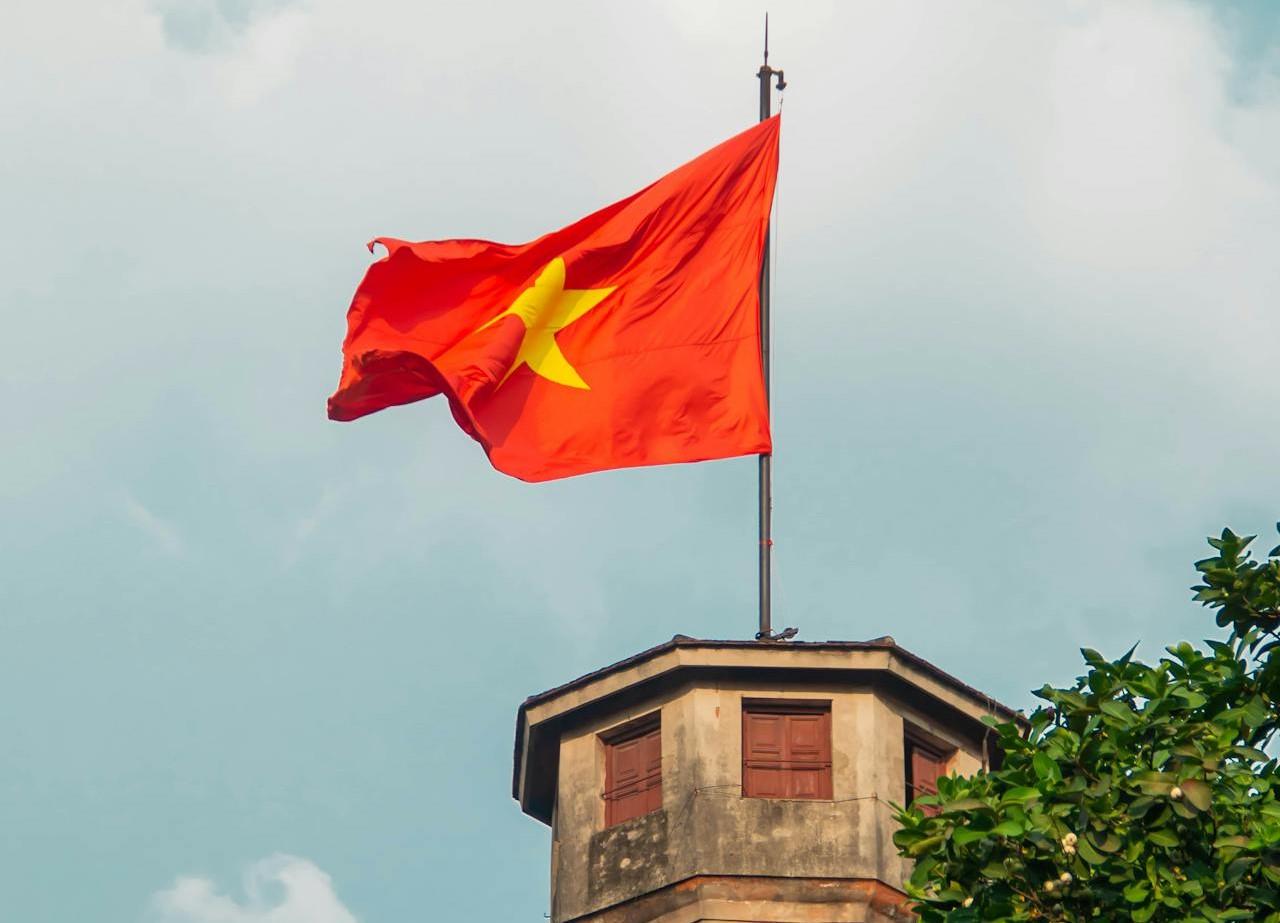
Hundreds of delegates from Vietnam’s ruling Communist Party are gathering in Hanoi under tight security for a pivotal week-long congress that will determine the country’s top leadership and set economic and security priorities for the rest of the decade. Held every five years, the congress operates behind closed doors and plays a decisive role in the governance of the single-party state.
Around 1,600 delegates, representing more than 5.6 million party members nationwide, will elect a new 200-member Central Committee. This body will then select between 17 and 19 members of the powerful Politburo, from which the party’s general secretary is chosen. The congress is widely expected to confirm To Lam, 68, as general secretary, consolidating his position as Vietnam’s most powerful leader, though officials note that surprises remain possible. Decisions on other top roles, including the presidency, are expected to follow at later meetings.
To Lam rose to the party’s top post after the death of his predecessor Nguyen Phu Trong in July 2024. Since then, he has been seen as a bold and risk-taking leader. He has pushed through sweeping bureaucratic reforms, cutting tens of thousands of public-sector jobs to streamline decision-making and speed up investment approvals. While the long-term impact is still being assessed, the changes have already shortened timelines for some major projects.
His leadership also marks a shift from the aggressive anti-corruption campaign that dominated the previous era. While still emphasizing discipline, Lam has scaled back measures that had slowed governance and led to the removal of several senior officials, including two former presidents. At the same time, he has launched ambitious infrastructure and economic initiatives, boosting Vietnam’s appeal to foreign investors but raising concerns about transparency and waste.
The congress will also finalize a policy resolution expected to prioritize national security and economic growth. A draft released earlier targets at least 10% annual growth over the next five years, up from the previously missed 6.5% to 7% goal. Security, defense, diplomacy, and environmental protection are all expected to feature prominently as Vietnam navigates a more volatile global environment.







