


 Maria Corina Machado Vows Return to Venezuela After Earthquakes Despite Obstacles
  Canada Grants C$7 Million to Greenland Molybdenum Mine to Strengthen Critical Minerals Supply
  Trump Questions Housing Bill as He Prioritizes SAVE America Act
  US, Iran Agree to Halt Attacks Ahead of Doha Talks on Strait of Hormuz
  Iran Launches Drone Attack on Bahrain After U.S. Strikes, Strait of Hormuz Tensions Escalate
  Trump Threatens 100% Tariffs on Countries Imposing Digital Services Taxes on U.S. Tech Firms
  Trump Urges Gasoline Retailers to Cut Prices to $2.50 Per Gallon, Warns of Legal Action
  US Strikes Iran Again After Strait of Hormuz Tanker Attack Escalates Ceasefire Tensions
  Javier Milei Cabinet Chief Manuel Adorni Resigns Amid Spending Scandal Investigation
  Trump Suspends Some Morocco Fertilizer Tariffs to Ease U.S. Supply Shortage
  Australia, Vanuatu Sign Security Pact Amid Pacific Influence Competition
  Ukraine Strikes Russian Titan-Barrikady Plant With Long-Range FP-5 Flamingo Missile
  Andy Burnham Sets Out Vision to Decentralize Britain as Labour Leadership Race Begins
  Russia Intensifies Assault on Kostiantynivka as Ukraine’s Donetsk Defense Faces Mounting Pressure
  Australia Plans Higher Fines for Social Media Firms Failing to Block Underage Users
  Trump Announces September Overhaul of Washington’s East Potomac Golf Links
  Trump Signs Memorandum Backing Americans’ Right to Repair Their Own Vehicles


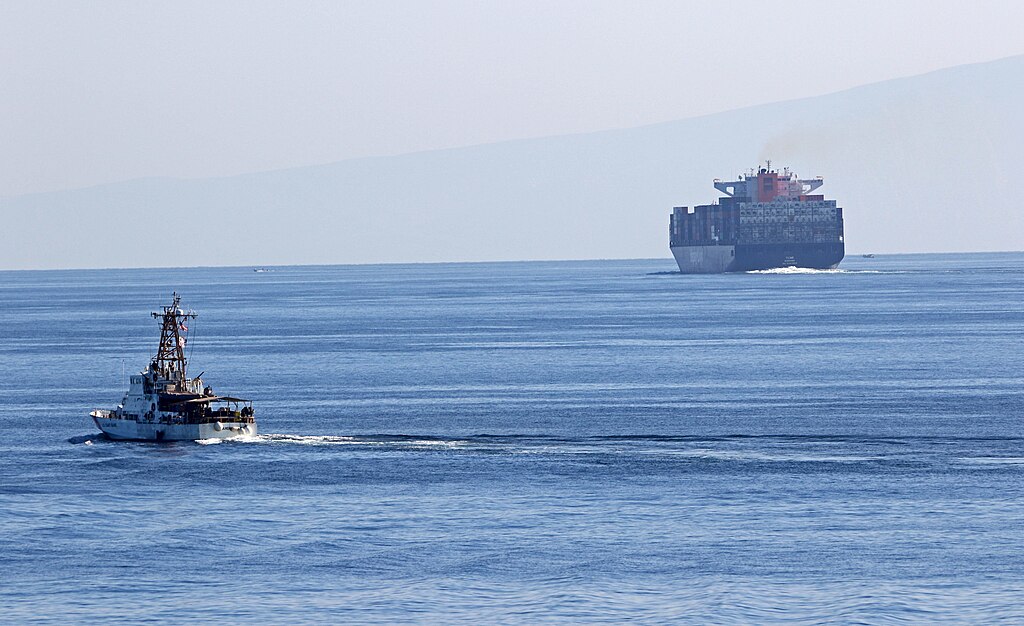
U.S. President Donald Trump and his national security team remain doubtful about Iran’s recent proposal to reopen the Strait of Hormuz while delaying discussions on its nuclear program, according to a Wall Street Journal report. The proposal was reviewed during a Monday morning meeting, where officials indicated that Trump did not dismiss it entirely but questioned Iran’s intentions and commitment to meaningful negotiations.
At the center of U.S. concerns is Iran’s reluctance to meet Washington’s primary demand: a complete halt to nuclear enrichment and a firm pledge never to develop nuclear weapons. The Trump administration has consistently emphasized that dismantling Iran’s nuclear capabilities remains a key objective in ongoing tensions.
Despite skepticism, the United States is expected to continue diplomatic efforts with Tehran. Reports suggest the White House may present a counterproposal in the coming days, signaling that negotiations are still active even as trust between the two nations remains fragile. Trump recently extended a ceasefire with Iran indefinitely, urging further dialogue, although Pakistan-mediated talks over the weekend failed to produce progress.
The Strait of Hormuz continues to be a major flashpoint in the conflict. Before its closure, the strategic waterway accounted for nearly 20% of global oil supply, making its status critical to international energy markets. The U.S. naval blockade of Iran and Tehran’s continued restrictions on the strait have intensified geopolitical tensions.
Trump previously suggested reopening the strait through military action but faced resistance from key allies unwilling to support a joint naval operation. Meanwhile, Secretary of State Marco Rubio rejected Iran’s idea of controlling passage through Hormuz, including proposals to charge tolls or accept cryptocurrency payments for transit.
Adding pressure, U.S. Treasury Secretary Scott Bessent warned that Iran’s oil industry could soon collapse under the weight of the blockade. With exports restricted and storage nearing capacity, production is expected to decline sharply, potentially leading to domestic fuel shortages. U.S. officials estimate Iran is losing approximately $500 million daily due to halted oil shipments, further escalating the economic impact of the conflict.







