


 U.S. Launches Trade Investigation Into Germany’s Pharmaceutical Cost-Cutting Plans
  Trump Suspends Some Morocco Fertilizer Tariffs to Ease U.S. Supply Shortage
  Trump Signs Memorandum Backing Americans’ Right to Repair Their Own Vehicles
  Trump Threatens 100% Tariffs on Countries Imposing Digital Services Taxes on U.S. Tech Firms
  US, Iran Agree to Halt Attacks Ahead of Doha Talks on Strait of Hormuz
  China Expands Export Controls, Adds 20 Japanese Companies to Restricted List
  Johns Hopkins University Lays Off 110 Employees as Federal Research Funding Declines
  RFK Jr. Orders Extended Hantavirus Quarantine for Cruise Passenger
  NTSB Investigates Boston Logan Airport Near-Miss Between Delta and American Airlines Jets
  Bolivia Declares State of Emergency as Roadblock Crisis Deepens
  Australia, Vanuatu Sign Security Pact Amid Pacific Influence Competition
  Israeli Airstrike Kills Three in Central Gaza Despite Ceasefire
  Italy Investigates Microsoft Over Microsoft 365 AI Subscription Price Hike
  Iran Skips U.S. Technical Talks Over Unmet MoU Conditions and Frozen Funds Dispute
  Canada Grants C$7 Million to Greenland Molybdenum Mine to Strengthen Critical Minerals Supply
  Apple Challenges India Antitrust Probe, Says CCI Copied Rivals’ Claims in App Store Case
  Mexico, U.S. Launch Sterile Fly Facility to Combat New World Screwworm Outbreak


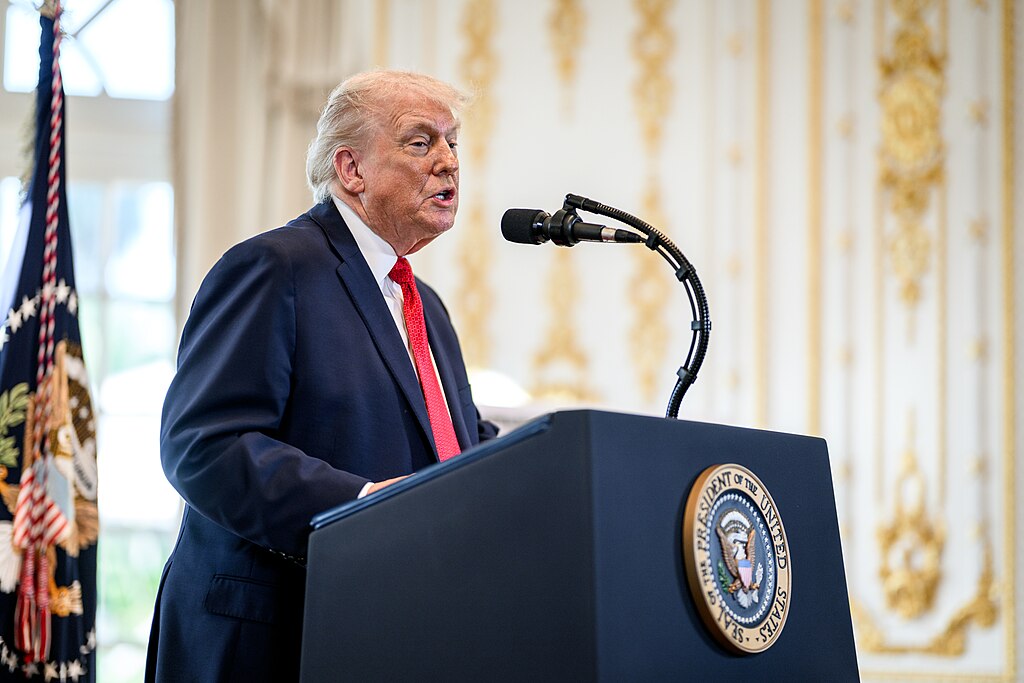
The Trump administration has removed all members of the National Science Board, a major advisory group that oversees the National Science Foundation (NSF), according to statements from two former board members. The decision impacts more than 20 experts and has raised concerns about the future of independent scientific governance in the United States.
The National Science Board, established in 1950, plays a vital role in guiding U.S. science and engineering policy. Its members are typically appointed for six-year terms and come from diverse backgrounds, including academia, industry, nonprofits, and national laboratories. The board also advises both the president and Congress on key issues related to scientific research and innovation.
Yolanda Gil of the University of Southern California and Keivan Stassun of Vanderbilt University confirmed that all 22 members received an email on Friday notifying them of their immediate termination. Both stated that no reason was provided for the sudden dismissal. Gil highlighted the board’s diverse expertise, while Stassun noted that, although disappointing, the move was not entirely unexpected.
Experts believe the action reflects a broader strategy by the Trump administration, which began in early 2025, to reshape independent institutions. Critics argue that removing experienced board members and potentially replacing them with political allies could weaken objective scientific oversight and reduce critical input in policymaking.
The National Science Foundation referred questions to the White House. A White House official responded by suggesting that the board’s authority, established decades ago, may need to be updated. The official also emphasized that the NSF’s operations will continue without interruption.
This development has intensified discussions about the role of independent scientific bodies in the U.S., particularly their importance in ensuring unbiased, evidence-based policy decisions in science and technology.







